
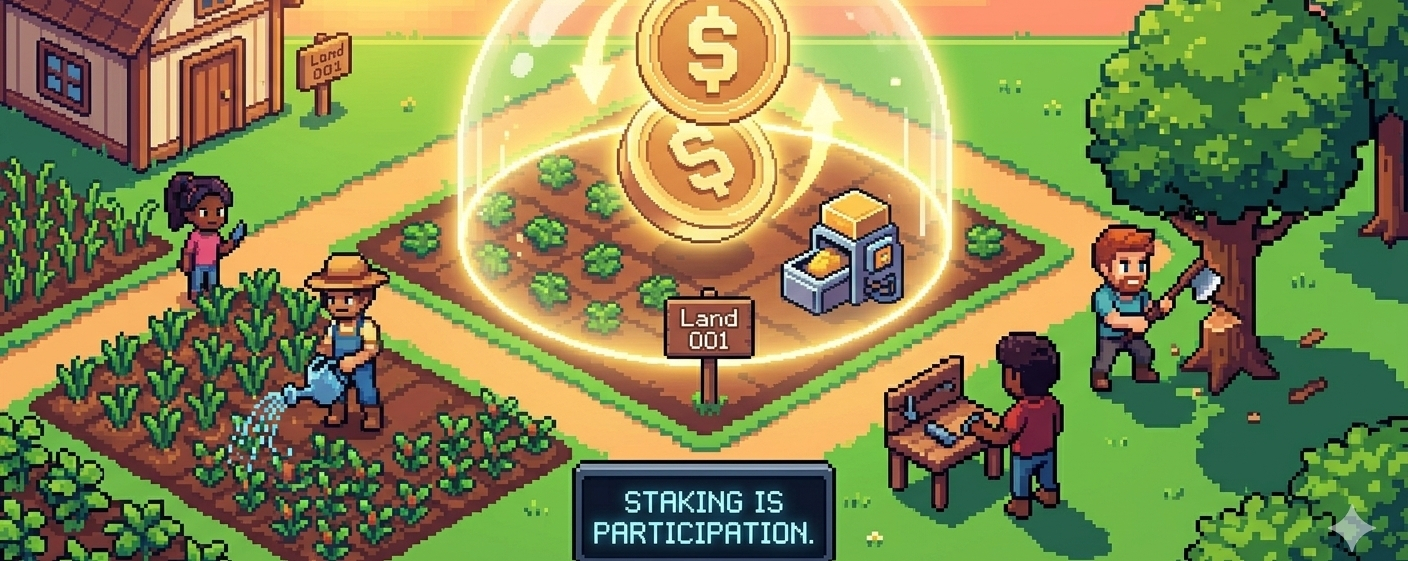
I don’t think most players enter Pixels (PIXEL) thinking about crisis.
The experience doesn’t push you in that direction. It feels stable, continuous—almost insulated from the kind of failures we’ve seen elsewhere in Web3. You plant, trade, build, and everything responds like a system that knows exactly what it’s doing.
But that feeling depends on something staying invisible.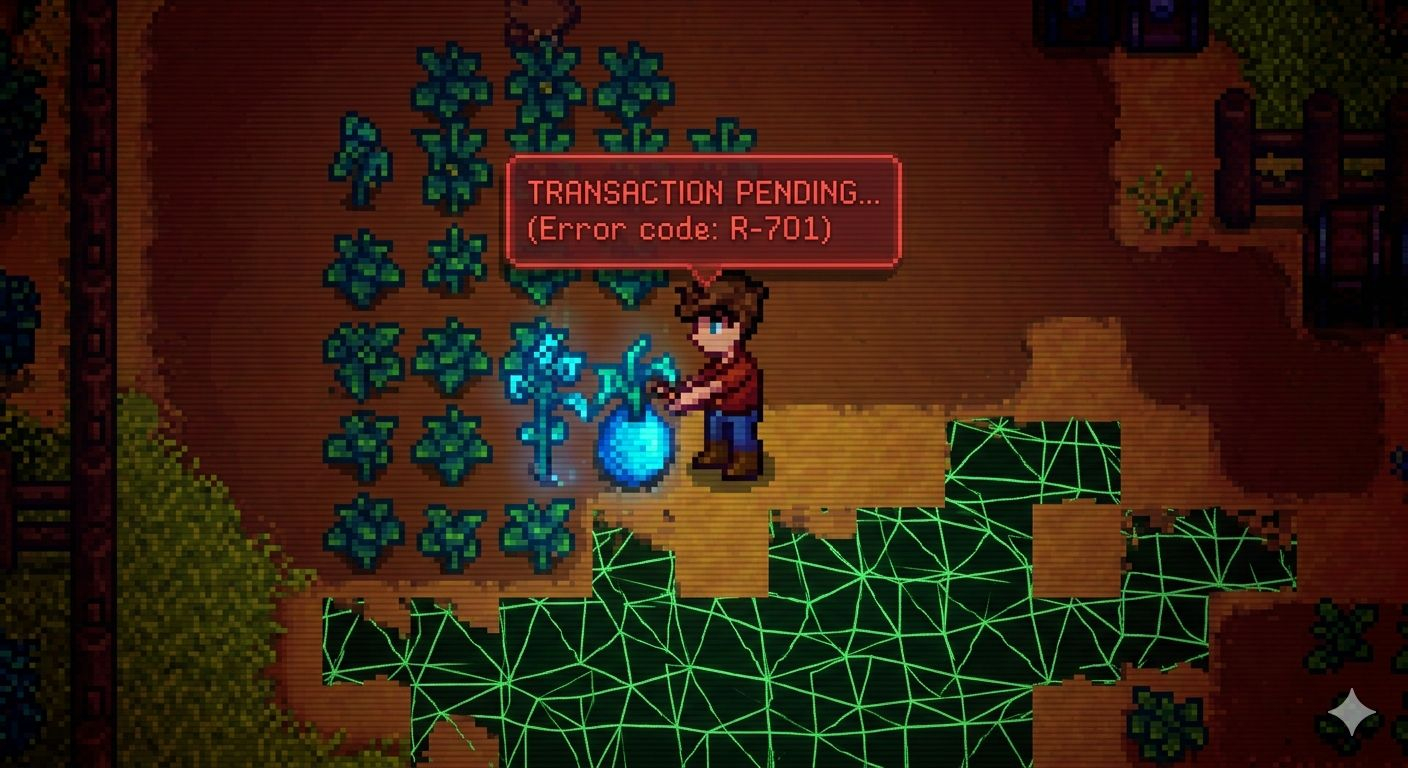
Because like every blockchain-based world, Pixels is only as stable as the layer beneath it. And that layer—the Ronin Network—is where the real test would happen if something ever went wrong.
I keep trying to imagine that moment, not as a headline, but from inside the game.
At first, it might not look like a crisis at all. Maybe transactions slow slightly. Maybe actions that used to settle instantly start taking longer. The rhythm shifts—subtly, almost easy to ignore. But in a system built on responsiveness, even a small delay starts to feel… different.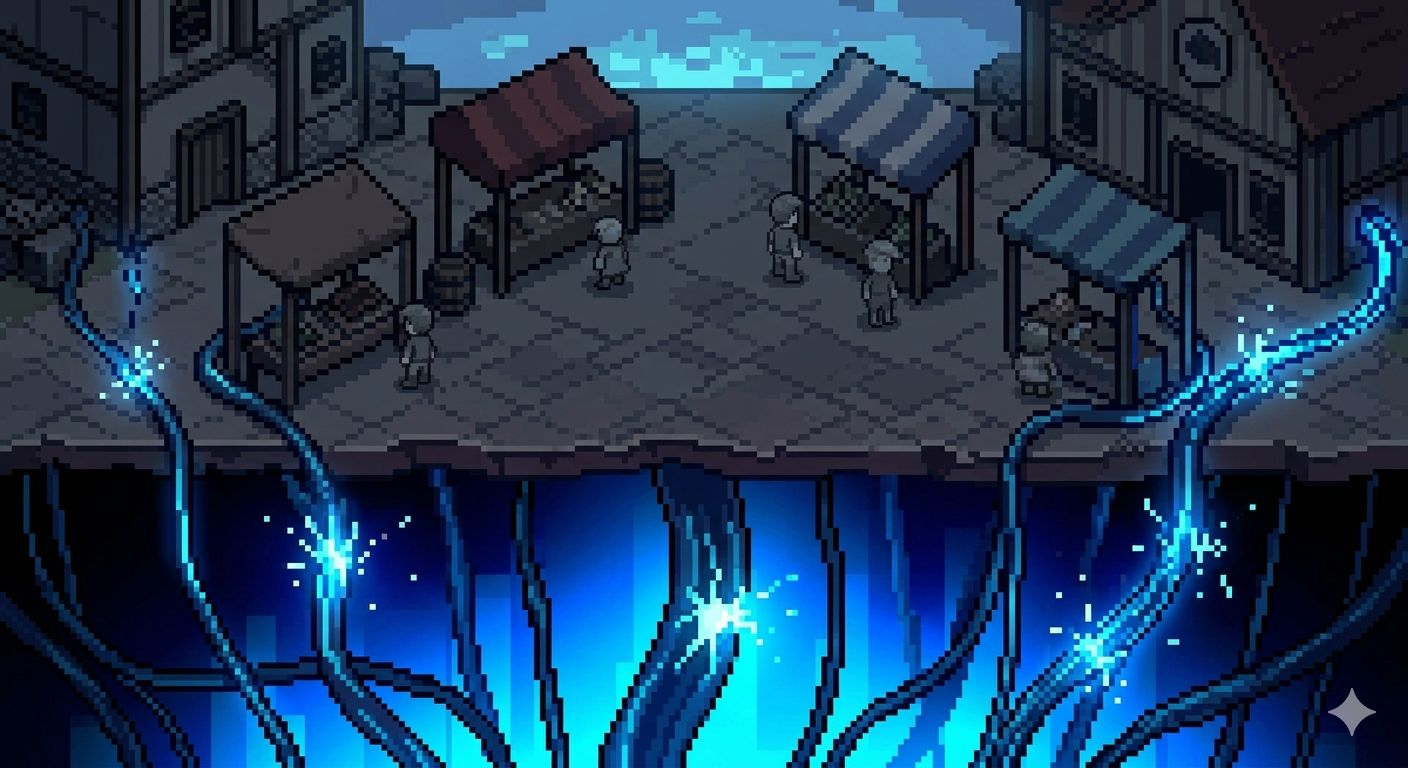
Then uncertainty creeps in.
Trades don’t finalize the way they used to. Asset movement feels less reliable. The connection between effort and outcome something that normally feels automatic begins to weaken. And once that connection starts breaking, trust doesn’t collapse all at once.
It erodes.
That’s the part that feels most fragile.
Because Pixels, at its core, is not just a game—it’s an economy layered on top of infrastructure. And economies don’t just rely on functionality; they rely on confidence. The belief that what you own, what you earn, and what you trade will hold its meaning over time.
An infrastructure crisis challenges that belief directly.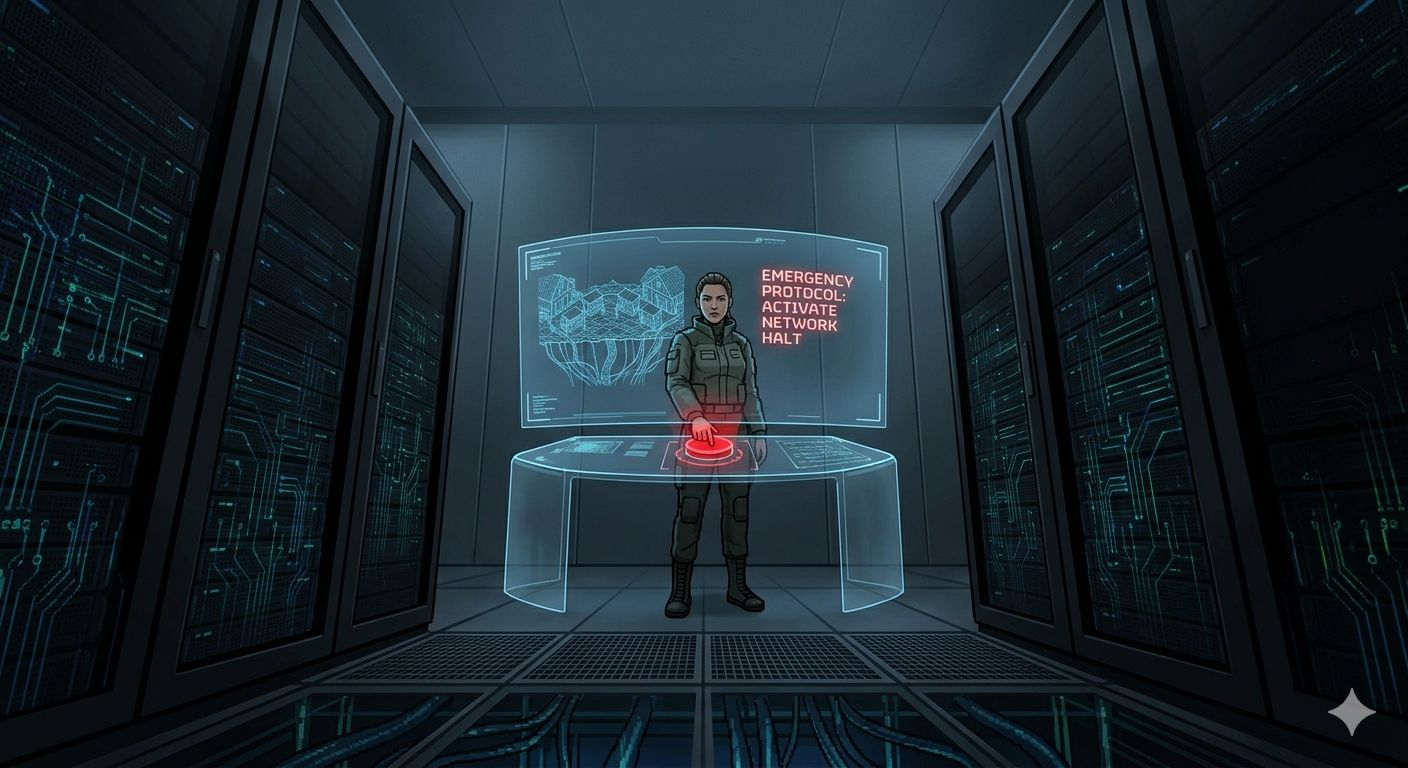
And in that moment, something becomes very clear: no matter how decentralized the surface feels, the ability to respond quickly—to pause systems, fix issues, restore stability—doesn’t sit with the players. It sits with a much smaller group operating closer to the base layer.
That’s not necessarily a flaw. It’s practical. But it also reveals where control concentrates when it matters most.
So I keep circling back to a question I can’t quite ignore:
If Pixels ever faces a real infrastructure-level crisis, would the community experience it as a temporary disruption—
or as a reminder that the world they believed they owned can still be reshaped, stabilized, or even paused by decisions made somewhere far below them?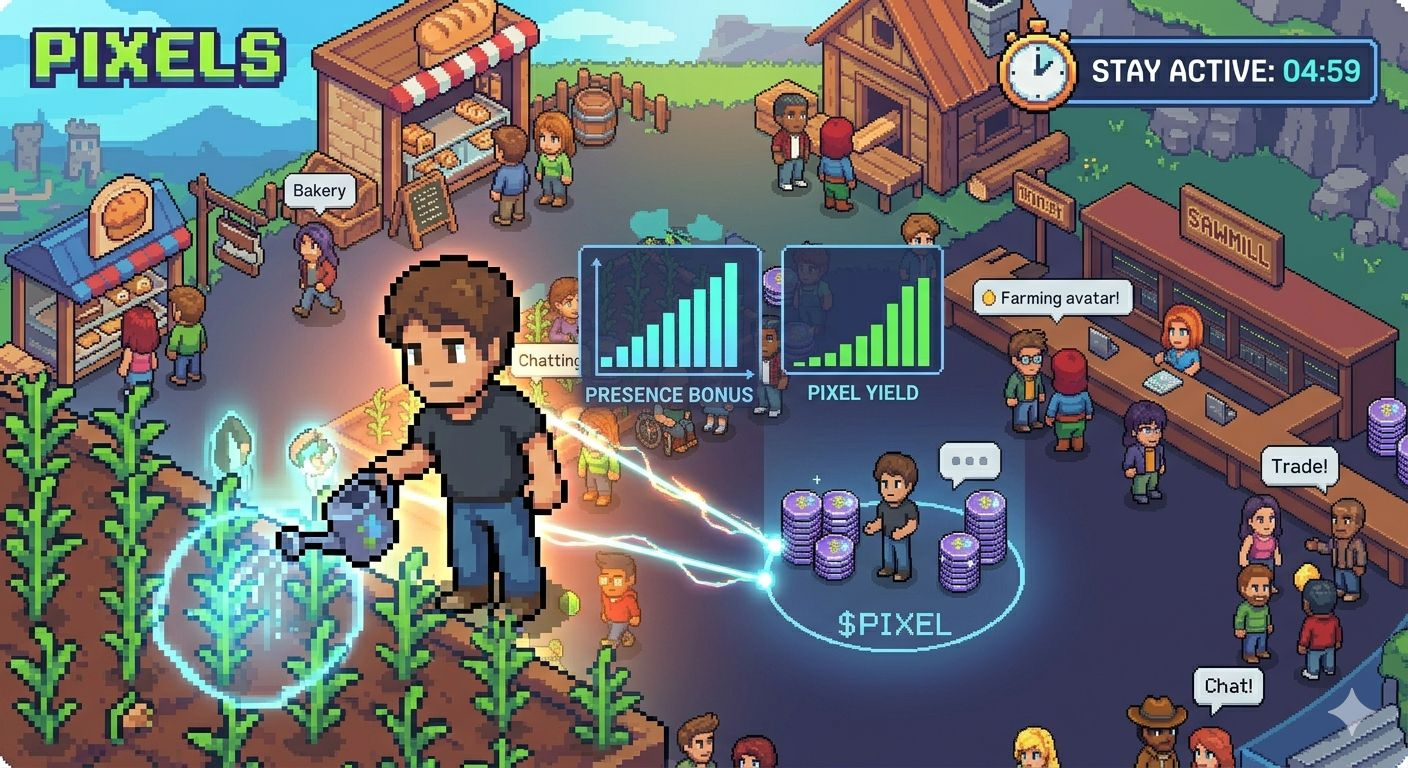
And if that moment comes, what will matter more—
the ownership we felt during stability…🧐
or the control we don’t have when it breaks?🤨