
Hello Binance Square Crew! In March 2026
Natural disasters hit hard. Floods in Pakistan, earthquakes in Turkey, wildfires in Australia – these events need fast help. Traditional teams struggle with costs, delays, and risks. But what if robots could step in, coordinated without central control, earning and paying on their own?
This is where Fabric Protocol ($ROBO) shines. It's not just another crypto project, it's building a network for robots to handle real-world crises, making help quicker and fairer.
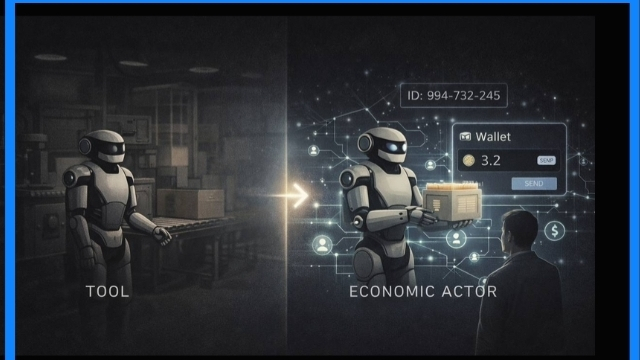
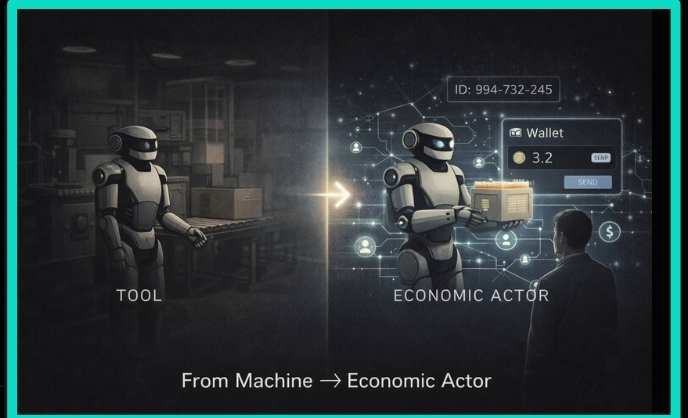
Fabric Protocol is a decentralized platform that turns robots from simple tools into smart economic players. Launched on Base in late February 2026, it gives machines blockchain IDs, wallets, and ways to transact. No big company owns it – communities do. In disaster zones, this means robot fleets can deploy fast, without waiting for approvals or funds.
Think about recent floods in South Asia.
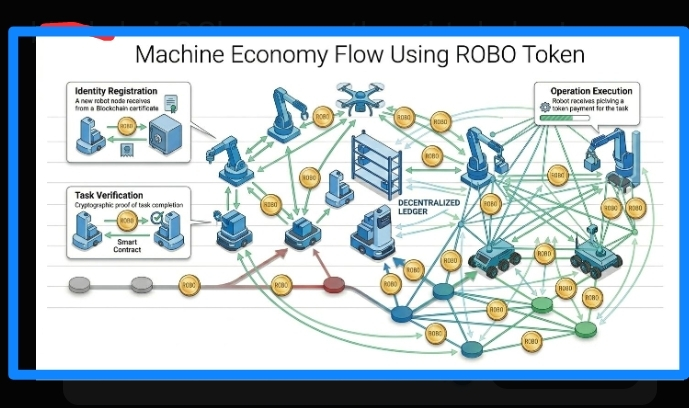
Robots could search for survivors, deliver food, or map damage. With Fabric, each robot stakes ROBO to join tasks. They get paid in ROBO for completing jobs, verified by smart contracts. If a drone spots a trapped person, it shares data on-chain, earns rewards, and even pays for its own repairs. This creates a self-sustaining system – robots help humans while building their economy.
Why is this new and exciting?
Most DePIN projects focus on data or storage. Fabric targets physical robots in tough spots like climate action. For example, in environmental monitoring, robots track deforestation or ocean pollution. They coordinate via Fabric's network, sharing info securely. No single failure point – if one robot goes down, others take over. This fits 2026's push for green tech, with governments and NGOs eyeing blockchain for aid.
ROBO token is the key; Total supply: 10 billion
It handles fees, staking, governance, and bonds. Holders lock $ROBO for veROBO to vote on updates. Since launch via Virtuals Titan, ROBO listed on Binance Alpha and Other wallet's.
Trading volume crossed $130 million daily in days, market cap around $120 million. Price jumped 30% recently, showing strong buzz. Binance CreatorPad offers 8.6 million ROBO rewards for content creators – a smart way to grow community.
How does it work in practice?
Fabric starts on Base for low fees and speed. Later, it builds its own Layer-1 for massive scale. Robots register with certificates, post bonds in ROBO to prove reliability. Tasks come from users or DAOs – like a climate group funding ocean drones. Completion gets verified cryptographically, payments flow automatically. In disaster relief, imagine a DAO raising ROBO to deploy bots in earthquake areas. Robots earn, upgrade, and even crowdfund new units.
This isn't hype: Early pilots show promise. In testnets, Fabric coordinated mock delivery fleets, cutting costs by 40%. Partners in AI robotics see value – combining with projects like OpenMind for smarter bots. For developing countries like Pakistan, it's game-changing. Local farmers use cheap robots for crop monitoring, paid in ROBO, no banks needed. Climate action gets boost: Robots plant trees or clean rivers, earning carbon credits on-chain.
But challenges exist: Adoption needs more robot makers to integrate. Volatility in crypto can scare users. Fabric's team focuses on tools for easy onboarding – SDKs for developers, wallets for robots.
Roadmap includes cross-chain bridges and AI upgrades by mid-2026: In a world facing more disasters from climate change, ROBO offers hope. It shifts robots from expensive gadgets to community assets.
Decentralized, transparent, efficient – this is the Robot Economy for good causes. Not just profit, but impact.If you're into crypto and real-world change, check ROBO on Binance. Trade, stake, or join the community.
Could robots save lives with blockchain? Share your thoughts below!
#robo @Fabric Foundation $ROBO
