The robotics industry is evolving fast, autonomous drones inspect infrastructure. Warehouse robots move billions of dollars worth of goods, AI-powered machines deliver food, monitor crops, and even assist in surgeries, but beneath this rapid innovation lies a structural problem "robots don’t have native economic or trust infrastructure".
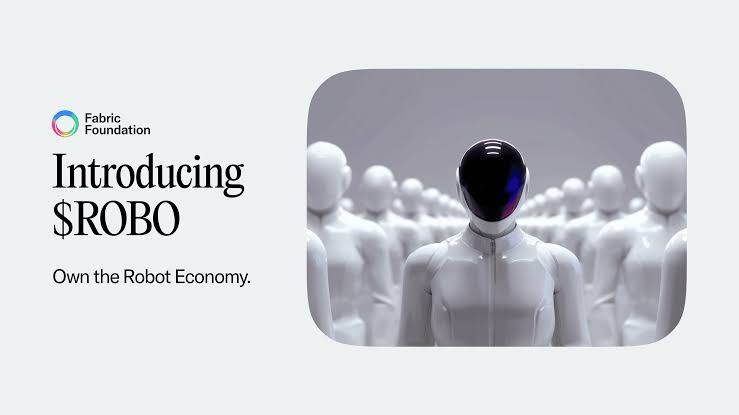
That's where Fabric Foundation $ROBO comes in. @Fabric Foundation aim to redefine the foundation of machine economies. Yes, robots are becoming autonomous, but their coordination, payments, identity, and data verification systems remain largely centralized.
Important Gaps ROBO Ecosystem tends to fill:
1. No Native Economic Layer: When a robot completes a task, whether it’s delivering a package, scanning inventory, or collecting environmental data the financial settlement happens off-chain through company controlled databases and traditional payment systems. $ROBO is introducing a programmable settlement layer designed for machine activity through smart contracts, task completion can automatically release escrowed rewards.
Removing the need of relying on third-party or human presence to complete tasks. #Robo

2. Data Integrity Issues: Robots generate massive volumes of operational data, task logs, environmental readings, compliance records, performance metrics. In centralized systems, these records can be altered, disputed, or lost. Fabric Foundation addresses this issue by anchoring critical robotic events on-chain. By storing all raw data directly on the blockchain, key data points can be cryptographically hashed and recorded immutably.
As robotics systems grow more autonomous, they will require not just intelligence but economic and data sovereignty. ROBO is positioned to be the foundation of robotics economy and evolution.
When did you learn about ROBO token?