
I didn’t start watching Fogo because it was another SVM-based chain. I started watching it because of what it seems obsessed with: time.
Most L1s market speed like a trophy. Big throughput numbers. Sharp latency claims. Clean charts that look impressive in isolation. Fogo feels different to me. It doesn’t read like a project trying to win applause for performance. It reads like a team that has spent serious time thinking about what happens when markets get chaotic and milliseconds stop being abstract.
That shift in focus changes how I interpret everything else.
Fogo doesn’t present itself as a cultural revolution or a universal computation layer. It feels more like infrastructure designed specifically for traders systems that care about execution under pressure. That’s a narrower identity. But it’s also more honest. It’s not promising to be everything. It’s trying to be dependable when volatility spikes and hesitation becomes expensive.
The design choices reflect that mindset. The follow-the-sun consensus approach shifting focus across regions based on global trading activity feels less ideological and more practical. Crypto often talks as if geography disappeared. But latency is physical. Liquidity has time zones. Asia’s trading window feels different from New York’s. If you’re building for order books and liquidations, you either design around those rhythms or you accept weaker execution.That willingness to acknowledge market patterns feels human to me. It suggests the builders are thinking about real users in real stress scenarios someone closing a leveraged position, someone arbitraging a price gap, someone managing collateral before a liquidation threshold hits. Not just someone minting tokens for fun.

But the part that really changed how I think about Fogo is Sessions and gas abstraction.
On paper, it’s account abstraction with paymasters. In practice, it’s an attempt to remove one of the most persistent psychological frictions in crypto: the constant negotiation with your wallet. Sign this. Approve that. Confirm again. Check gas. For casual users, it’s annoying. For active traders, it’s disruptive. When markets move fast, even small interruptions compound into hesitation.
Gasless UX smooths that out. You sign once, operate inside a session, and the infrastructure handles the rest. The chain fades into the background.
But here’s where my opinion gets more cautious.
When you remove gas from the user’s direct experience, you don’t remove cost you relocate it. And when you relocate cost, you also relocate control. Paymasters, application sponsors, and infrastructure operators become gatekeepers of execution flow. They decide when fees are absorbed, when they aren’t, and how budget is allocated. That doesn’t automatically make the system centralized. But it does shift trust dynamics.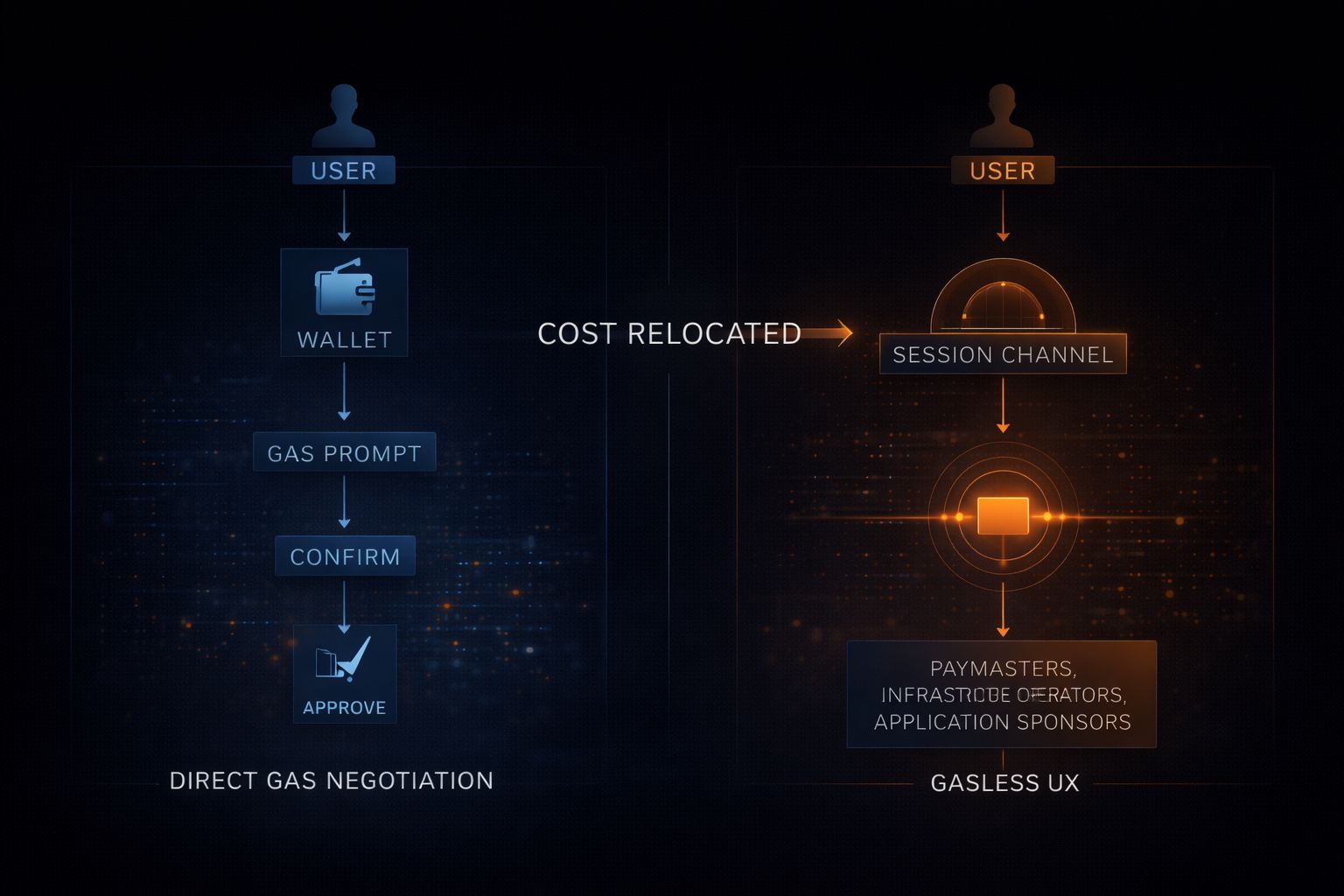 Instead of every user directly interacting with fee mechanics, influence concentrates slightly upstream.
That’s the hidden politics of gasless UX. It feels frictionless because someone else is carrying complexity. If that layer is transparent, competitive, and resilient, it’s powerful. If it becomes opaque or coordinated, it quietly changes the balance of control inside the ecosystem.
For Fogo to succeed as a serious trading venue, that abstraction layer has to become boring. Predictable. Almost invisible. The best infrastructure isn’t admired it’s forgotten.
Looking beyond Sessions, the ecosystem choices reinforce this infrastructure-first mentality. Oracle integration, bridging, indexing, specialized RPC endpoints it’s not glamorous, but it’s essential. When markets get chaotic, these are the systems that either hold or break. Low block times don’t matter if oracles lag. Finality doesn’t help if RPC nodes crumble under bot pressure.
Order books are brutal truth tests for any chain. They amplify inconsistency. If latency jitters, spreads widen. If congestion appears, liquidity withdraws. If execution timing becomes unreliable, traders compensate by becoming conservative or by leaving entirely. Supporting serious on-chain trading isn’t a branding move. It’s a structural commitment.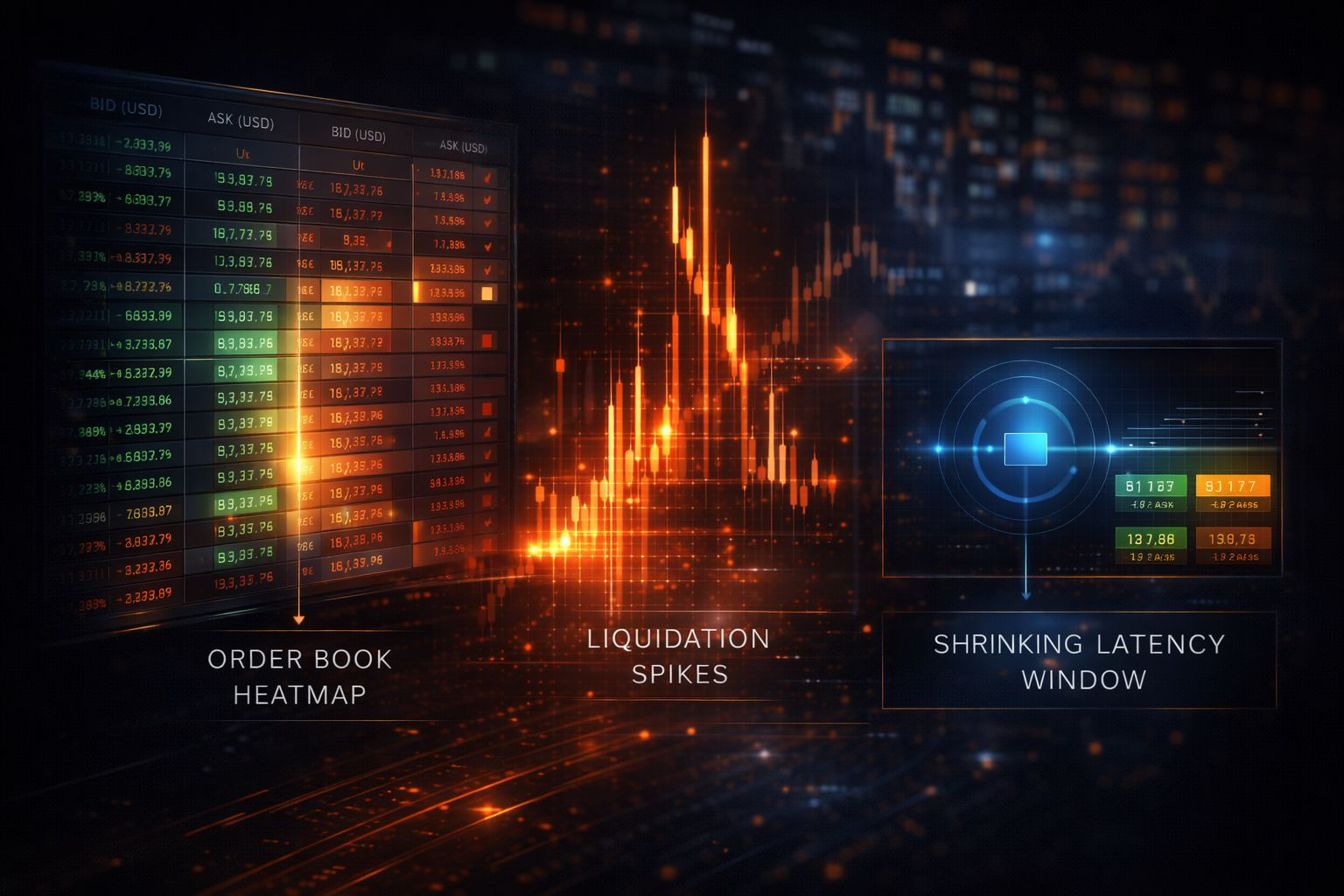 The token layer reflects this shift too. If gas is abstracted and daily interaction doesn’t revolve around constant token spending, the native asset becomes more infrastructural. It anchors staking, secures validators, supports paymaster flows, and integrates with liquidity systems. That’s a different relationship than the typical “every user pays gas constantly” model. It’s less visible, but potentially more structural.
Still, the tension remains.
Performance-focused systems often begin with curated participation. Smaller validator sets, tighter coordination, cleaner metrics. That’s understandable early on. But long-term credibility in crypto tends to favor openness. Expanding participation without degrading performance is the real challenge.
The question isn’t whether Fogo can be fast today. It’s whether it can stay fast while widening access and decentralizing supporting layers like paymasters and infrastructure providers. If those layers centralize quietly, the user experience might remain smooth but the governance surface shifts.
From my perspective, Fogo’s story isn’t about being the fastest chain. It’s about discipline. It feels like a project that wants to behave more like a trading venue than a social experiment. That’s a focused ambition. And focused ambitions are easier to evaluate.
If it works, users won’t praise the chain. They’ll just notice tighter spreads, cleaner liquidations, and fewer execution surprises. They’ll stop thinking about gas. They’ll stop thinking about block times.
And maybe that’s the real goal.
Fogo doesn’t seem obsessed with being admired. It seems obsessed with not interrupting you.
Whether that balance between speed and control holds over time that’s the part I’m still watching.