
Some projects chase hype. Others focus on building systems that become difficult to replace once adopted. SIGN feels like it belongs to the second group.
At first glance, it may not stand out. The chart still reflects early sell pressure, and the tokenomics aren’t ideal in the short term. But looking beyond that, the underlying fundamentals start to become more compelling.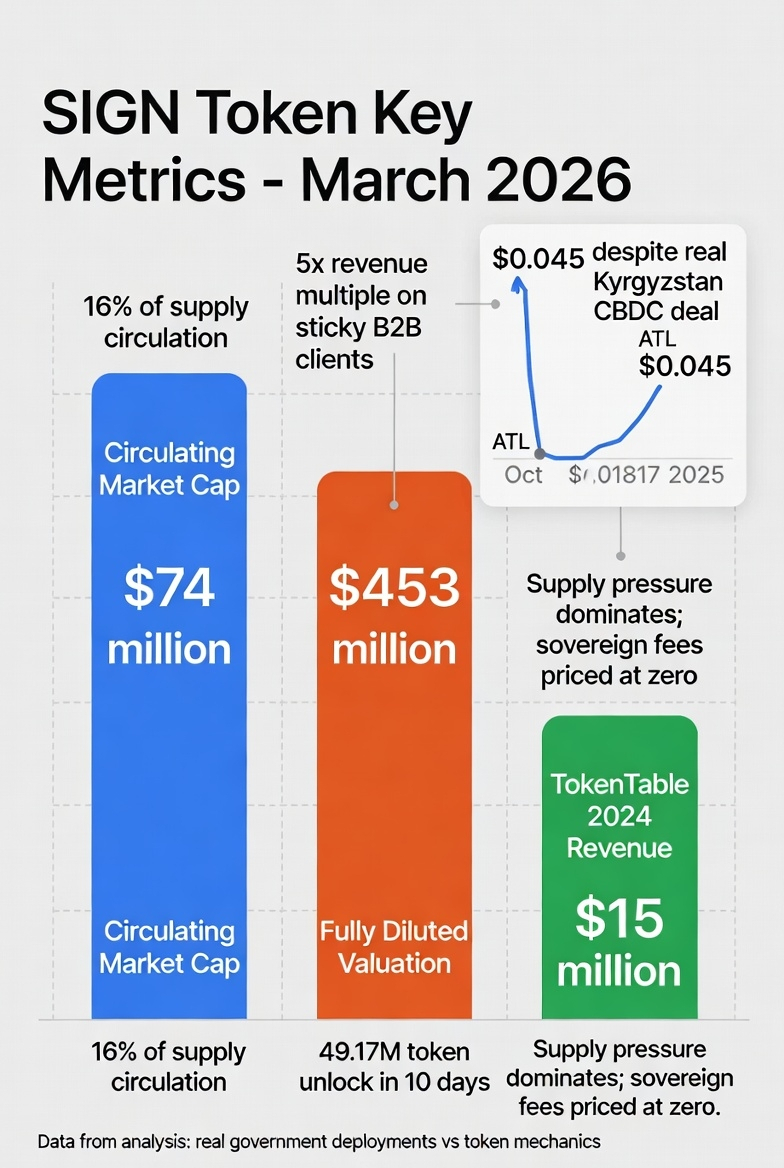
SIGN isn’t aimed at typical retail users. It’s positioning itself as infrastructure for governments and institutions—covering identity, document verification, token distribution, and even future CBDC frameworks. These aren’t experimental use cases; they’re foundational systems for real economies.
What makes it interesting is the approach. Instead of isolated tools, SIGN offers an integrated stack:
TokenTable for distributions
EthSign for document execution
Sign Protocol as the verification layer
All of these are built to work together while still being flexible enough to integrate into existing systems. And that’s key—institutions don’t replace infrastructure overnight, they upgrade it gradually.
There’s also an operational business behind it. TokenTable reportedly generated around $15M in revenue in 2024, handling large-scale distributions across major ecosystems. Once integrated, this kind of infrastructure tends to stick—switching costs are high, which creates long-term retention.
So even without a strong narrative, there’s already traction.
Then comes the sovereign angle.
SIGN has been working alongside governments, and its design reflects real institutional needs. Features like a private network layer for CBDCs suggest this isn’t just theoretical—it points to real engagement from entities seriously exploring the technology.
If even one of these deployments scales into active, real-world usage, the upside could be meaningful.
That’s the gap in current market pricing.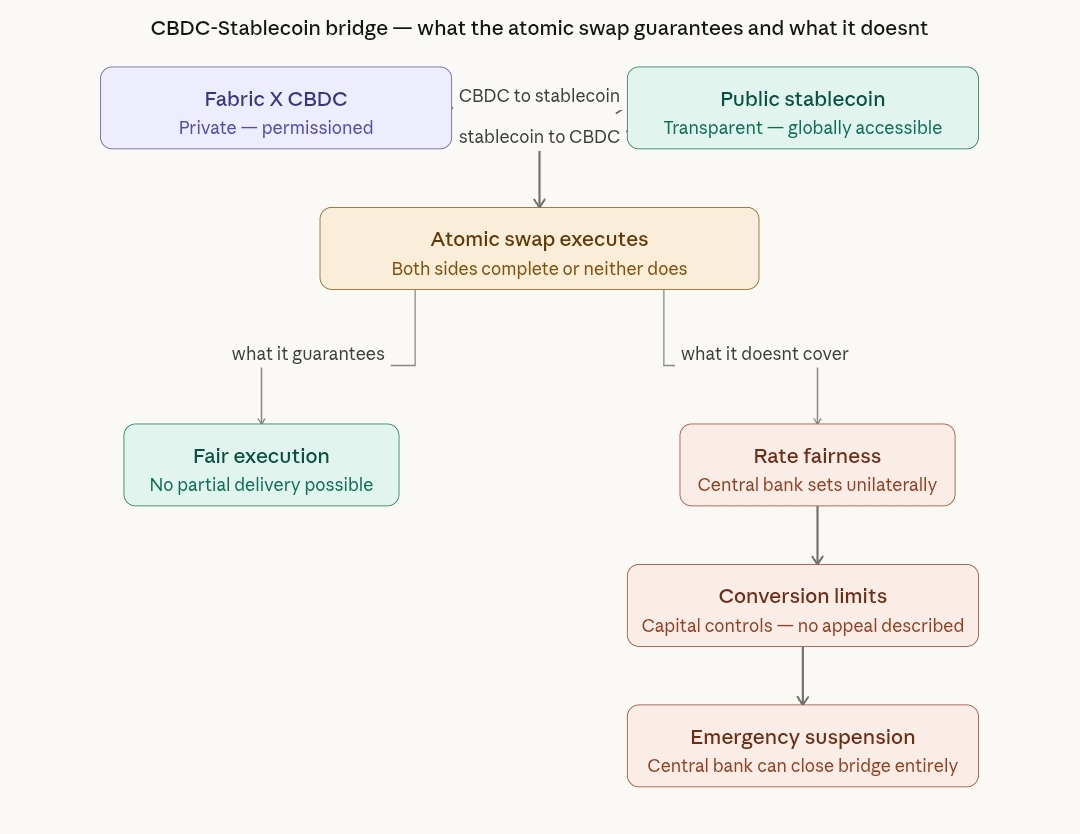
Right now, valuation is driven by visible factors—supply unlocks, selling pressure, and short-term price action. Those are valid concerns. But markets often misprice what they can’t easily compare.
There’s no clear precedent in crypto for infrastructure operating at a national level with consistent demand. If that changes, valuation frameworks may shift as well.
And it doesn’t require everything to succeed.
It just needs one breakthrough:
One deployment beyond the pilot phase
One system with consistent usage
One proof of real-world adoption
Until then, it may continue trading under pressure and doubt.
But underneath that, SIGN isn’t just another token searching for a story.
It’s aiming to become infrastructure.
And if it succeeds, today’s pricing won’t seem uncertain—it’ll seem early.
