
A while back I used a freelance platform to get a small task done, nothing complicated, just a quick job. What I remember most is not how well the task was done, but how much I relied on the reputation score before even deciding who to hire. There were cheaper options, even faster responses, but I still went with someone who had a consistent history because it felt safer. The actual work turned out fine, but the decision was already made before the work even started.
That situation came back to me when I spent some time looking into Fabric Protocol and the $ROBO ecosystem, especially the part about identity and how machines are not just treated as tools but as actors inside a system. It sounds abstract at first, but the more I think about it, the more it feels like something that will become necessary once machines start interacting across different environments.
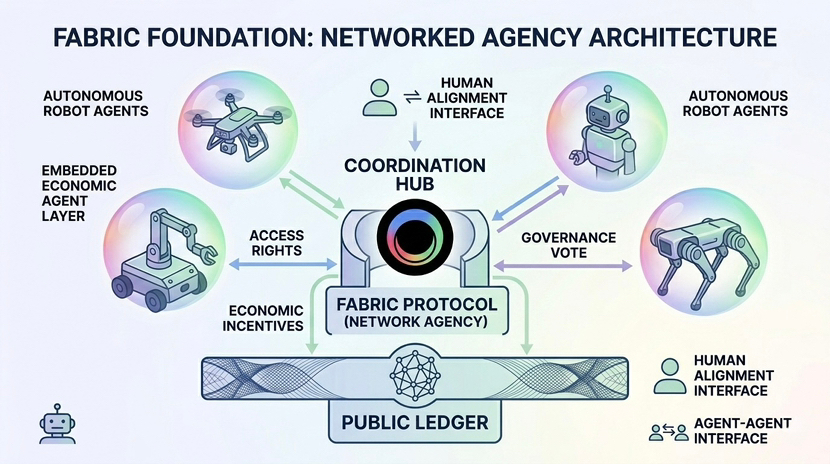
Right now most robotic systems are judged only by performance in isolation. Can it complete the task, how fast, how accurate. But when multiple systems start depending on each other, performance alone is not enough anymore. What matters more is consistency over time and whether other systems can rely on that output without rechecking everything from scratch.
Humans solve this problem naturally with reputation. We remember who delivered, who didn’t, who is reliable under pressure, who tends to fail when conditions change. Machines don’t have that layer unless it is built into the system around them. Without some form of persistent identity and track record, every interaction becomes a fresh start, which is inefficient and sometimes risky.
$ROBO starts to feel more practical than it looks on the surface. If machines have identities tied to their actions, and those actions can be verified and recorded, then over time a kind of reputation layer begins to form. Not in a social way like humans, but in a structural way where past behavior influences future trust.
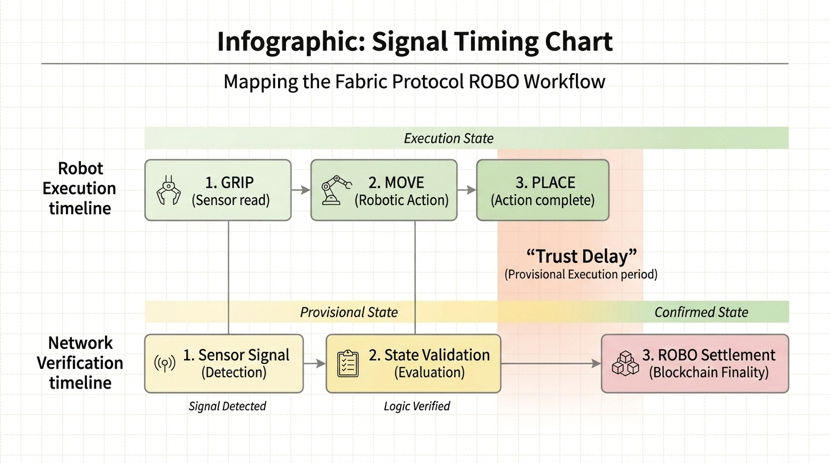
Another thing that feels important is that machines don’t “explain” themselves. When something goes wrong, there is no reasoning, no context, just an output that failed or didn’t match expectations. That makes it even more important for systems to have a way to evaluate reliability based on history instead of single events.
Fabric Protocol from this angle, it feels less about pushing the limits of what machines can do, and more about making their behavior understandable and predictable over time. Not flashy, not something you notice immediately, but something that becomes critical once systems scale and start depending on each other more heavily. In the end, performance gets attention, but reputation is what actually builds trust.