
Introduction
Artificial intelligence is growing very fast and we are seeing it help people in writing research health care business and finance. It looks powerful and impressive but there is still one serious problem. We cannot fully trust it. Sometimes it gives answers that sound correct but are actually wrong. Sometimes it shows bias because of the data it learned from. If AI makes mistakes in critical situations the damage can be serious.
Mira Network was created to solve this problem. It is a decentralized verification protocol that focuses on making artificial intelligence more reliable. Instead of asking people to blindly trust AI systems it creates a method to check and confirm AI results using blockchain technology and economic incentives. It becomes a system where trust comes from verification not from a central authority.
What Is Mira Network?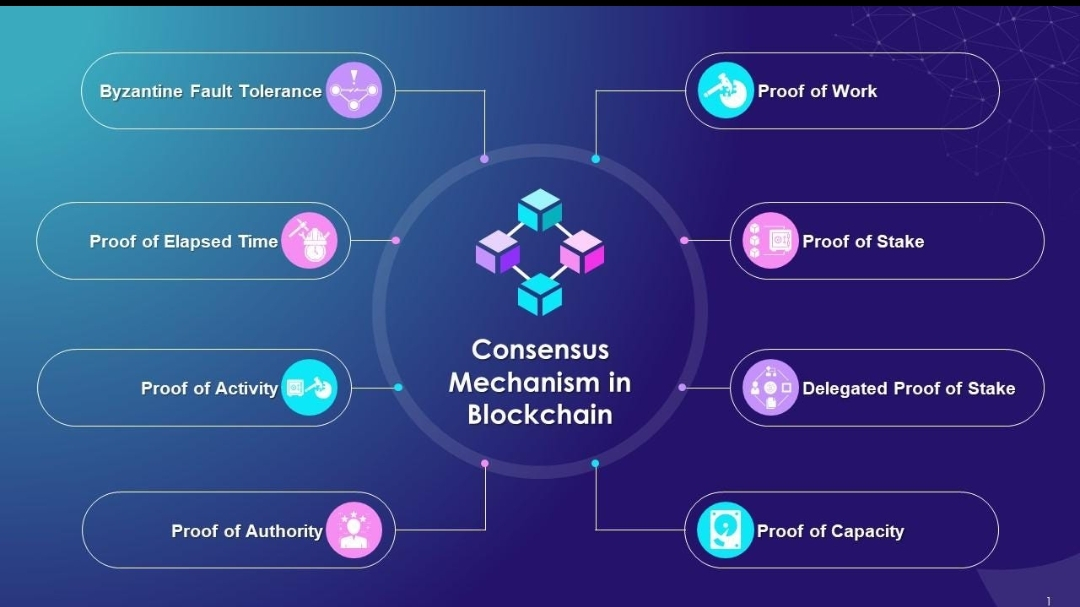
Mira Network is a decentralized verification network designed to improve the reliability of artificial intelligence systems. In simple words it checks whether AI generated information is correct before people depend on it.
Most AI systems today are controlled by one company or one central structure. They create the model manage the data and deliver the results. If something goes wrong users often have no clear way to verify the output. Mira changes this structure by distributing verification across many independent participants.
The system breaks complex AI outputs into smaller claims that can be tested. These claims are shared with a network of independent AI models and validators. When they review and agree the result becomes verified. This process is recorded on blockchain which makes the verification transparent and difficult to change later. It becomes a trustless system where users do not need to rely on a single authority.
The Core Problem Mira Is Solving.
Artificial intelligence can produce hallucinations. This means it sometimes creates information that sounds confident and detailed but is false. It does this because it predicts patterns in language rather than truly understanding facts.
We are seeing this issue appear in education research health care and finance. If AI gives incorrect medical advice or wrong financial guidance people can suffer real losses. In critical systems reliability is not optional it is necessary.
Bias is another challenge. AI models learn from large data sets and if those data sets contain unfair patterns the AI may repeat them. Without proper verification it becomes difficult to detect and correct these problems early.
Mira Network transforms AI outputs into cryptographically verified information. Instead of trusting one model it spreads verification across a decentralized network. This reduces the risk of one single failure affecting everyone.
How Mira Network Works?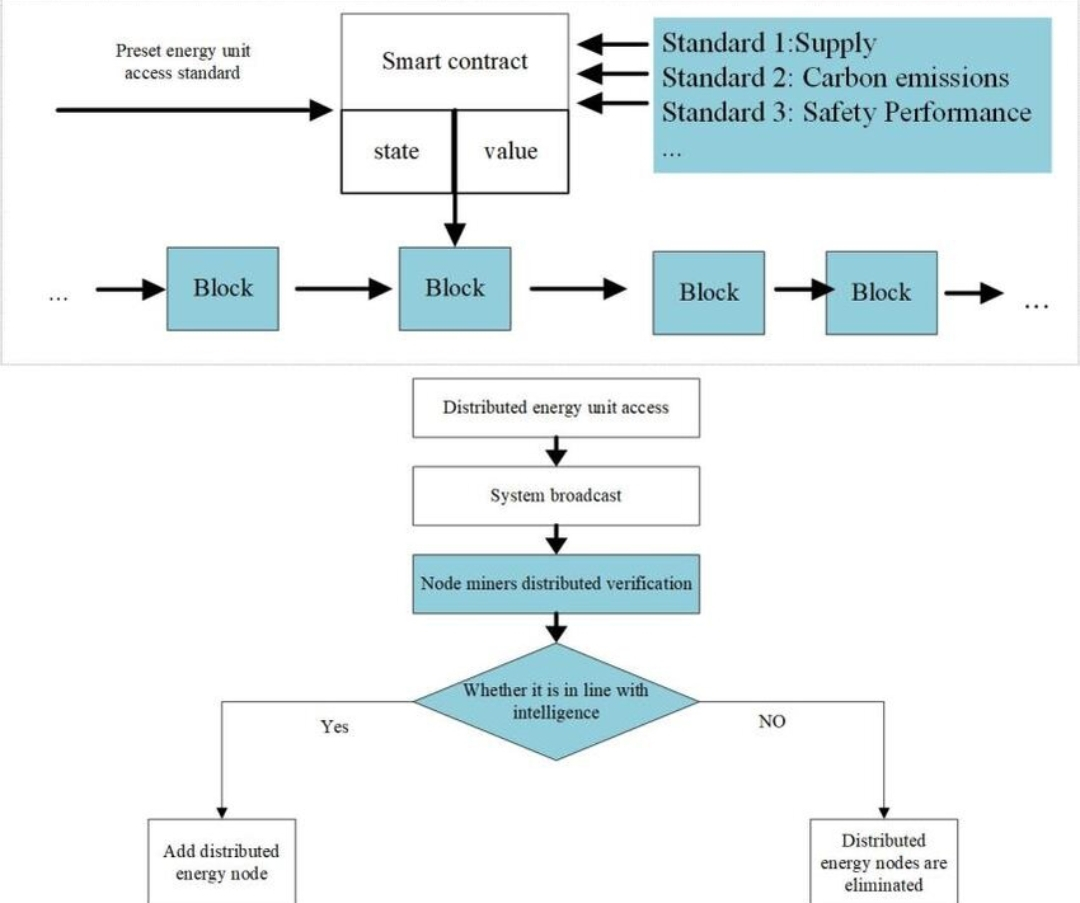
First an AI system produces an output such as an article analysis or prediction. Instead of accepting it immediately Mira divides the content into smaller claims that can be checked individually.
Second these claims are sent to independent validators within the network. Each validator reviews the claim using its own model or method.
Third the network compares the results. If there is agreement through blockchain consensus the claim becomes verified and is recorded on the public ledger. If there is disagreement the system flags the claim for further review.
Economic incentives encourage honest behavior. Validators receive rewards for accurate verification and they risk losing value if they act dishonestly. It becomes a system where good behavior is supported and bad behavior has consequences.
Why Decentralization Matters?
When one central authority controls verification users must trust that authority completely. If that authority fails or acts unfairly users have little protection.
Mira Network removes centralized control. Verification happens through distributed consensus. No single entity decides what is true. The network reaches agreement based on rules transparency and incentives.
If AI is going to manage robots financial systems and other important infrastructure then trust must come from strong systems not from promises. Decentralization creates a foundation for that trust.
Real World Impact.
If Mira Network succeeds it could change how we use artificial intelligence in daily life. Imagine health care systems where AI recommendations are verified before doctors rely on them. Imagine automated systems that cannot act until their decisions are confirmed by decentralized validation.
It becomes possible to build AI that is not only intelligent but also accountable. We are moving toward a future where AI outputs are treated as verified digital information rather than simple suggestions.
Conclusion
Mira Network is building a trust layer for artificial intelligence. It addresses the main weakness of modern AI which is reliability. By breaking outputs into verifiable claims distributing them across independent validators and recording results through blockchain consensus it creates a system where trust is earned through proof.
If artificial intelligence is going to power the next generation of technology it must be reliable. Mira Network aims to provide that reliability through decentralized verification.
Call To Action
If you care about the future of artificial intelligence and want systems that are transparent and trustworthy take time to learn more about decentralized verification networks like Mira Network. The future of AI should not only be smart but also secure and reliable. Support technology that builds trust and long term value.
