
This morning I stood in my kitchen in Islamabad, staring at a half-empty cup of chai that had gone cold while I scrolled mindlessly through my phone. The routine felt too familiar—another day of small decisions that barely move the needle, wondering how much of what we call "progress" is just noise layered on top of the same old habits. That quiet unease followed me to my desk when I opened Binance Square later in the afternoon.
I clicked into the CreatorPad campaign for SIGN and started the task of drafting a post about the project. As I typed the required minimum characters and added the hashtag #SignDigitalSovereignInfra along with the tag for @SignOfficial, something shifted. The screen showed the simple input fields for the post content, the character counter ticking up, and the reminder to mention the project naturally. In that ordinary moment of filling out the form and hitting what felt like a structured box for engagement, the discomfort hit me: we're training ourselves to perform participation rather than actually participating.
The real issue isn't this one campaign or even SIGN's infrastructure for attestations and credential verification. It's that crypto has quietly normalized the idea that genuine community and shared belief can be engineered through repeatable micro-tasks. We tell ourselves this builds decentralized culture, but it often just creates polished surfaces where the depth of conviction is optional. People show up because the reward structure is clear and low-friction, not because they've wrestled with the underlying technology or questioned whether attestations across chains truly change power dynamics in a meaningful way. The uncomfortable part is admitting how comfortable we've become with this simulation of involvement. It feels efficient, measurable, and safe—exactly the opposite of the messy, risky trust that early crypto moments demanded.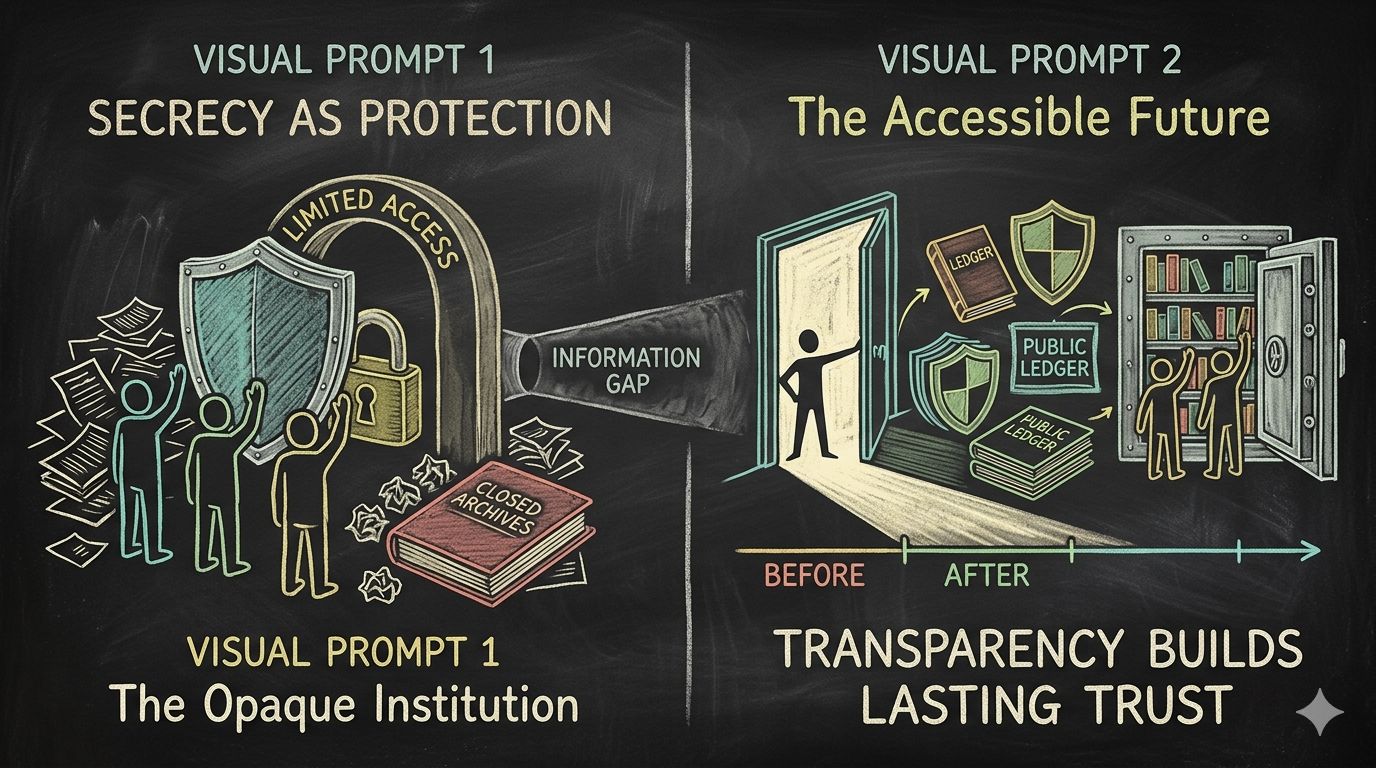
Stepping back, this pattern runs deeper than any single platform. In a space that once celebrated pseudonymous builders and organic skepticism, we're increasingly rewarding formatted expression over raw inquiry. You see it everywhere: posts optimized for visibility metrics, discussions that circle around incentives instead of ideas, and newcomers learning first how to "engage correctly" rather than why any of it matters. SIGN happens to illustrate it cleanly because its focus on verifiable credentials and sovereign infrastructure sits right at the tension—tools that could support real individual agency are being introduced in an environment where agency is subtly redirected toward collective performance. The protocol's emphasis on zero-knowledge proofs and cross-chain attestations is interesting on paper, yet the way we're invited to talk about it often reduces it to another checkbox in a campaign.
What gets lost is the friction that once forced clearer thinking. When engagement becomes too smooth and too incentivized, we stop noticing the difference between saying something because we believe it and saying something because the system gently nudges us to. It's not malicious; it's just efficient design meeting human nature. Over time, that efficiency risks flattening the very skepticism and experimentation that made crypto worth paying attention to in the first place. We end up with more voices, more content, and less of the uncomfortable silence where real questions used to sit.
How long can we keep calling this decentralized growth when the pathways to being heard are so neatly predefined? @SignOfficial #SignDigitalSovereignInfra $SIGN