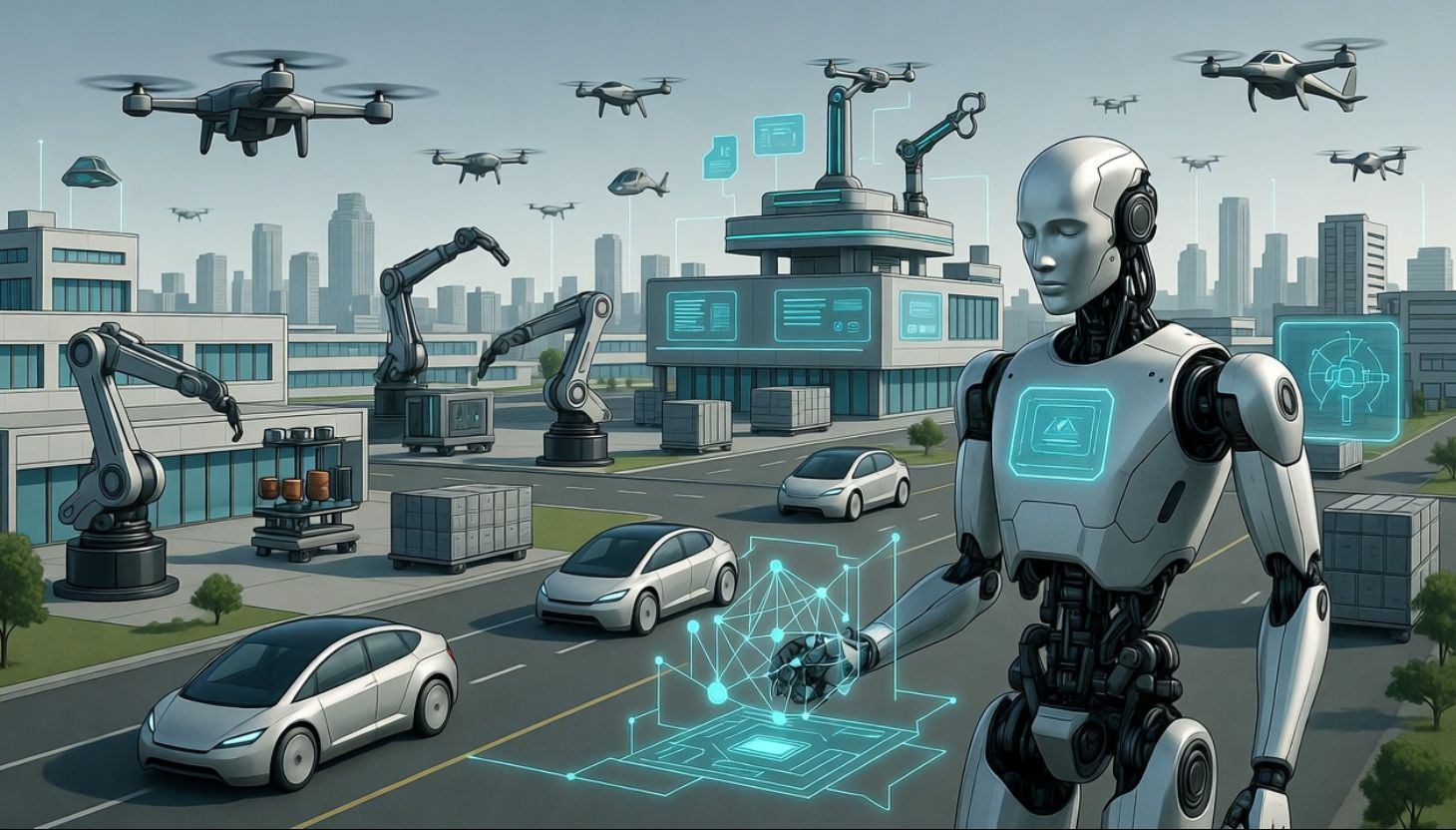
In the rapidly evolving landscape of artificial intelligence and robotics, the Fabric Foundation stands out as a pioneering non-profit organization dedicated to fostering an open, decentralized future for intelligent machines. By bridging the gap between AI software and real-world hardware, Fabric Foundation is laying the groundwork for what they call the "Robot Economy" – a global network where autonomous robots and AI agents can interact, transact, and collaborate seamlessly without centralized control. At the heart of this vision lies ROBO, the native utility and governance token that powers the entire ecosystem.
Let's dive deeper into why this matters. As robotics advances, we're on the cusp of a $150 billion industry explosion by 2028, driven by innovations in humanoid robots, autonomous vehicles, and smart manufacturing. However, traditional systems face significant hurdles: fragmented coordination, insecure identities for machines, and inefficient payment mechanisms between devices.
Fabric Foundation addresses these by creating a decentralized infrastructure on blockchain technology, initially deployed on the Base chain with plans to evolve into its own Layer 1 network. ROBO serves multiple critical roles in this setup. First, it's the fuel for transactions – all network fees are paid in ROBO, ensuring economic value accrues directly to the protocol as robot activity scales.
Staking ROBO provides security and coordination incentives, rewarding participants who help maintain the network's integrity. Governance is another key pillar; by locking ROBO into veROBO, holders gain voting rights to shape the protocol's direction, from protocol upgrades to resource allocation.
Developers and original equipment manufacturers (OEMs) use ROBO to access tools for building robot applications, while incentives flow to builders and operators who contribute hardware or software. What makes ROBO particularly exciting is its fixed total supply of 10 billion tokens, designed to promote long-term sustainability. Allocations are thoughtfully structured: around 30% for ecosystem and community growth, ensuring broad participation; 24% for investors with vesting periods to align long-term interests; and the rest for core contributors, treasury, and liquidity. This model avoids inflationary pressures and focuses on real utility, positioning ROBO as a cornerstone for machine-to-machine commerce, task marketplaces, and decentralized hardware sharing.
Recent milestones underscore the project's momentum. Backed by heavyweights like Pantera Capital with over $20 million in funding, Fabric Foundation launched ROBO in late February 2026 through a collaboration with Virtuals Protocol. It quickly secured listings on major exchanges like Binance, Bybit, KuCoin, and Gate.io, with spot and futures trading available. An airdrop campaign rewarded early contributors, and the claim portal remains open until mid-March, democratizing access to this emerging economy. But beyond the tech, Fabric Foundation's mission is profoundly human-centric.
By emphasizing open-source robotics and AGI (artificial general intelligence), Fabric Foundation aims to ensure that advancements benefit all of humanity, not just a select few corporations. Imagine a world where robots handle mundane tasks, freeing humans for creativity and innovation, all governed transparently on-chain.
As an investor and enthusiast, I'm bullish on ROBO's potential in the DePIN (Decentralized Physical Infrastructure Networks) and AI narratives. With competitors like Bittensor and Fetch.ai in the space, Fabric's focus on real-world robotics sets it apart. If adoption grows – think robot fleets paying each other for services or AI agents negotiating tasks autonomously – ROBO could see significant value appreciation.
In summary, Fabric Foundation isn't just building technology; it's architecting a future where machines empower humans. If you're interested in the intersection of crypto, AI, and robotics, keep an eye on $ROBO – it's more than a token; it's the key to owning the Robot Economy. #ROBO #FabricFoundation #RobotEconomy @FabricFND