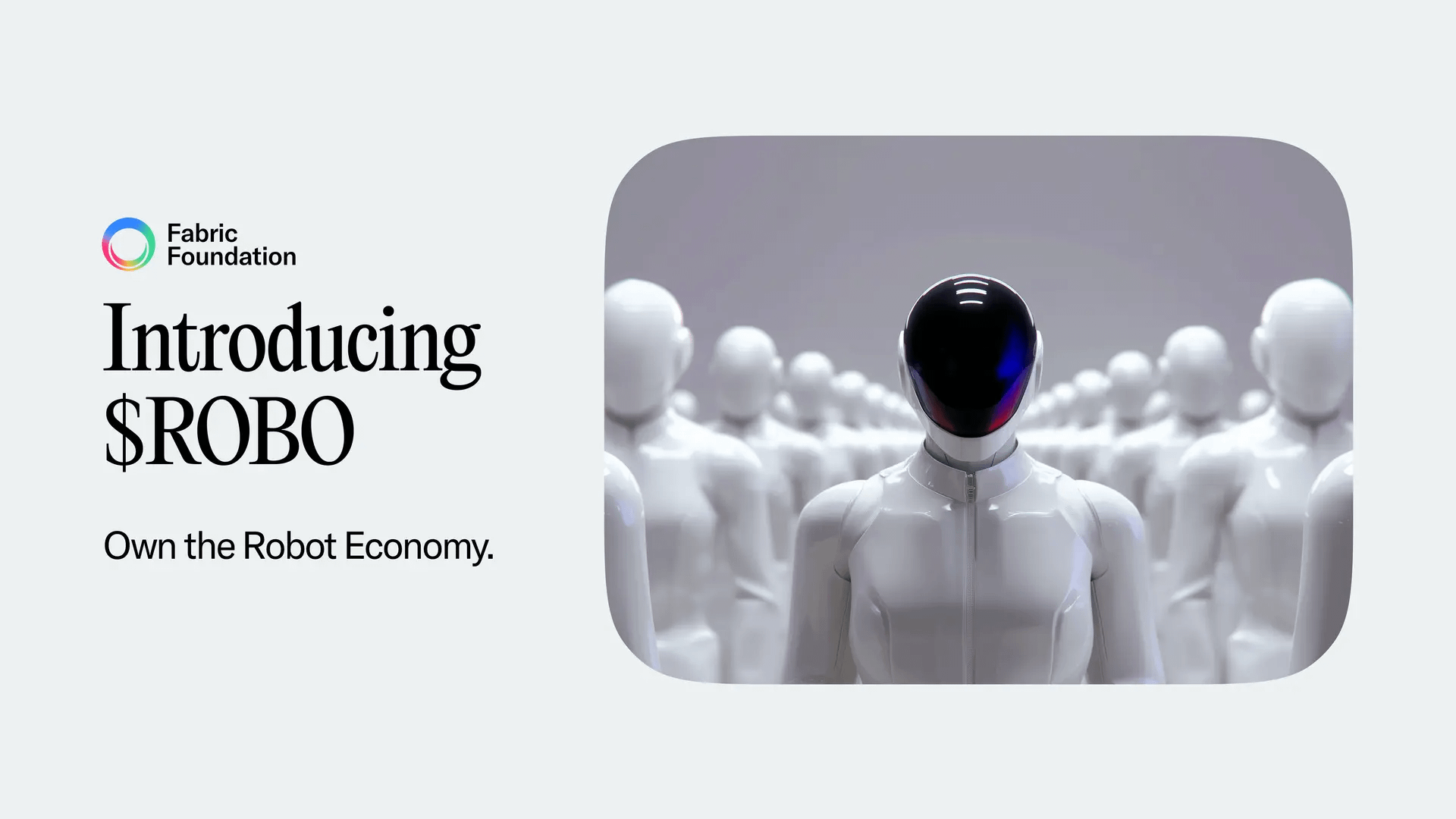
As artificial intelligence expands from software to robotics and real-world automation, new governance and economic frameworks are becoming essential. The Fabric Foundation positions itself at the intersection of AI, robotics, and decentralized coordination, offering an infrastructure for safe, verifiable human and machine collaboration.
The introduction of the $ROBO token marks a critical step toward a machine inclusive economy. Serving as both a utility and governance asset, Robo powers payments, identity, staking, and protocol participation within the Fabric ecosystem. Unlike speculative tokens, Robo designed to facilitate infrastructure functions, enabling decentralized robot coordination and network governance.
What Is Fabric Foundation?
Fabric Foundation is an independent non profit organization advancing open robotics and artificial general intelligence infrastructure. Its mission ensures intelligent machines remain aligned with human values while promoting global access. Fabric focuses on governance frameworks, economic coordination, and public good infrastructure to support human-machine collaboration across sectors like manufacturing, healthcare, logistics, and everyday life.
Mission and Core Pillars
Fabric Foundation operates on three core principles expand human opportunity through intelligent machines, keep AI systems aligned with human intent, and develop governance systems for global participation. Recognizing that robots act as economic contributors without legal personhood, the Foundation emphasizes decentralized frameworks for identity, payments, accountability, and coordination.
Tokenomics
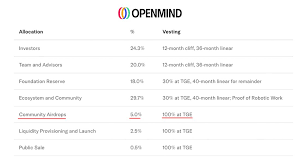
ROBO allocation balances ecosystem growth, incentives, and decentralization. Investors receive 24.3% with a 12-month cliff and 36-month vesting. Team and advisors hold 20%, Foundation reserves 18%, and the ecosystem/community 29.7%, with staged releases tied to Proof of Robotic Work and adoption incentives.
The Fabric Foundation and Robo epresent a visionary approach to AI and robotics governance, creating infrastructure for a decentralized, machine-inclusive economy.
ROBO Token Utility
ROBO underpins network fees, staking, governance, and decentralized coordination. Autonomous robots rely on onchain wallets and verifiable identities, and all network transactions from payments to machine-to-machine task validation use ROBO Participants stake tokens for protocol access, task allocation, and governance privileges. A portion of network revenue is also used to acquire Robo and the open market, supporting long-term ecosystem growth.
Governance and Ecosystem Participation
Token holders participate in decisions regarding network policies and ecosystem direction, ensuring decentralized, community driven governance. Developers and businesses must stake Robo to access robot teams and network services, aligning incentives with ecosystem success.
Conclusion
The Fabric Foundation and ROBO are redefining how AI and robotics interact with the global economy. By creating decentralized governance, robust coordination frameworks, and a utility token that powers real world machine activity, Fabric sets the stage for a new era of human machine collaboration. Early participation not only supports the growth of autonomous ecosystems but also gives stakeholders a voice in shaping the future of decentralized robotics.
Follow @Fabric Foundation tag $ROBO , and join the conversation with #ROBO to become part of this transformative journey.