

When I sit with Vanar today, I still don’t think of it as something that needs to be explained or defended. I think of it as a system that is trying to earn the right to be ignored. That may sound strange, but after spending years around digital products and infrastructure, I have learned that the most successful systems are the ones users stop noticing. They do their job quietly, predictably, and without asking for constant attention. That is the frame through which I read Vanar, and it shapes how I interpret every design choice it makes.
My starting assumption is simple: most people who will eventually touch Vanar-powered products will never describe themselves as blockchain users. They will be gamers, fans, collectors, or customers interacting with a brand experience. They will arrive with expectations shaped by mainstream apps and platforms where speed, continuity, and emotional flow matter more than technical transparency. Vanar feels designed around that reality. The team’s background in games, entertainment, and brand ecosystems shows up not as flashy features, but as restraint. There is a clear understanding that every extra step, every decision prompt, and every visible technical artifact is an opportunity for a user to disengage.
When I look at Vanar’s ecosystem today, what stands out is not a single killer feature but a pattern of choices that suggest an emphasis on reducing friction at scale. Gaming networks, metaverse environments like Virtua, and brand-facing solutions are not forgiving contexts. Users do not tolerate confusion in these spaces. They do not read documentation. They do not wait for things to load. Their behavior is immediate and emotional. If something feels off, they leave. Building infrastructure meant to support these environments forces a mindset that prioritizes reliability and smoothness over experimentation. That pressure shapes a very different kind of chain than one designed primarily for technical users.
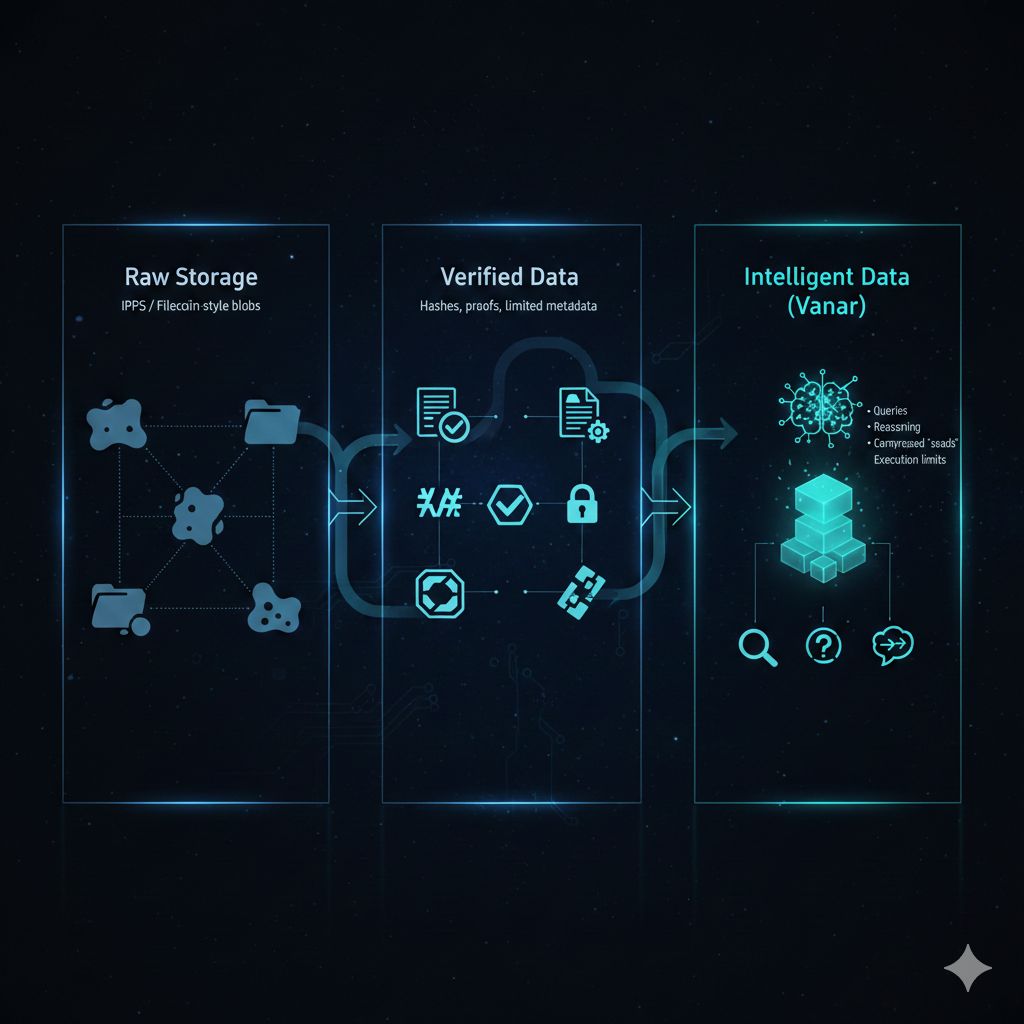 What I find important is how Vanar seems to handle complexity. It does not try to educate users or celebrate its inner workings. Instead, it absorbs that complexity internally. From an infrastructure perspective, that is a costly decision. Hiding complexity usually means the system itself must work harder. Defaults have to be sensible. Edge cases have to be anticipated. Failures have to be handled gracefully rather than exposed. This approach limits how much freedom developers and users have to tinker, but it dramatically improves usability for the majority. To me, that trade-off feels intentional rather than accidental.
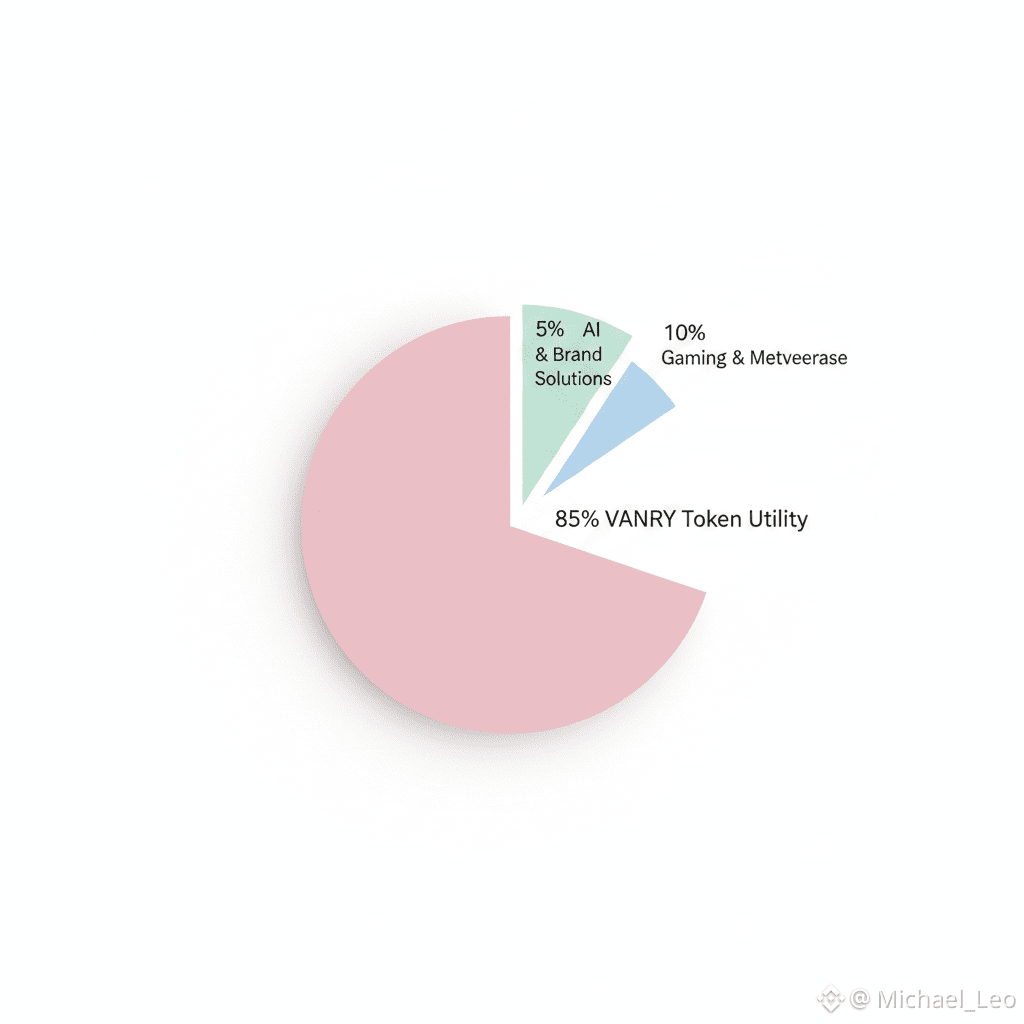
There is also a subtle signal in how Vanar spans multiple mainstream verticals rather than focusing narrowly on one. Gaming, metaverse environments, AI-related applications, and brand solutions all place different kinds of stress on infrastructure. They generate uneven traffic patterns, bursts of activity, and long periods of dormancy. Supporting them under one umbrella suggests a belief that the core system should be flexible enough to handle diverse behaviors without constant reconfiguration. I do not read this as overreach. I read it as an attempt to build something that can survive unpredictable real-world usage instead of optimized laboratory conditions.
Real applications matter here more than promises. Products like Virtua Metaverse and the VGN games network are valuable not because they sound impressive, but because they expose the system to users who do not care about roadmaps. These users interact, leave, return, and complain in ways that quickly surface weaknesses. In my experience, this kind of exposure forces teams to prioritize boring improvements: stability, faster feedback loops, clearer error handling, and smoother onboarding. Those changes rarely make headlines, but they compound over time. Infrastructure that survives these environments tends to become more robust precisely because it is constantly being tested by indifference.
The VANRY token fits into this picture in a way I find relatively grounded. Its role makes the most sense when it operates quietly in the background, aligning participation and usage without demanding constant attention. Tokens that require users to think about them all the time introduce cognitive friction. Vanar appears to avoid that by positioning VANRY as part of the system’s operational flow rather than its focal point. In practical terms, that means users can engage with applications without feeling like they are managing a financial abstraction alongside their experience. Over time, that kind of invisibility often leads to more consistent behavior.
 What also feels realistic is the absence of ideological framing. Vanar does not appear to assume that users will adopt new habits or values simply because the technology exists. Instead, it meets users where they already are. Games behave like games. Brand experiences behave like brand experiences. The blockchain layer does not ask for reverence or understanding. It simply supports the interaction. That reflects a belief that adoption is driven by familiarity rather than persuasion. From an infrastructure standpoint, this is a conservative approach, but it is also one that aligns closely with how mainstream systems actually grow.
There are, of course, trade-offs embedded in this philosophy. By prioritizing simplicity and continuity, Vanar limits how visible and customizable certain aspects of the system can be. Power users may find fewer knobs to turn. Developers may need to work within tighter constraints. But in exchange, the system becomes easier to reason about at scale. Predictability replaces novelty. For consumer-facing infrastructure, that exchange is often worth it. People trust systems that behave the same way every time more than systems that constantly invite experimentation.
As I zoom out, what Vanar represents to me is a shift toward blockchain infrastructure that is comfortable being ordinary. Not in capability, but in presence. It suggests a future where these systems stop asking to be noticed and start focusing on being dependable. The success of such infrastructure is not measured by how often it is discussed, but by how naturally it blends into everyday interactions. That kind of success is slow, unglamorous, and difficult to quantify, but it is also the kind that tends to last.
After studying Vanar with that perspective, I am left with a sense that it is being shaped by people who value systems that work quietly over systems that perform loudly. That does not guarantee outcomes, but it does signal a set of priorities grounded in real usage rather than abstract ideals. If consumer-facing blockchain infrastructure is going to matter in daily life, it will likely look less like a showcase and more like this: present, functional, and largely unseen.
