Introduction — A Country in Financial Turmoil
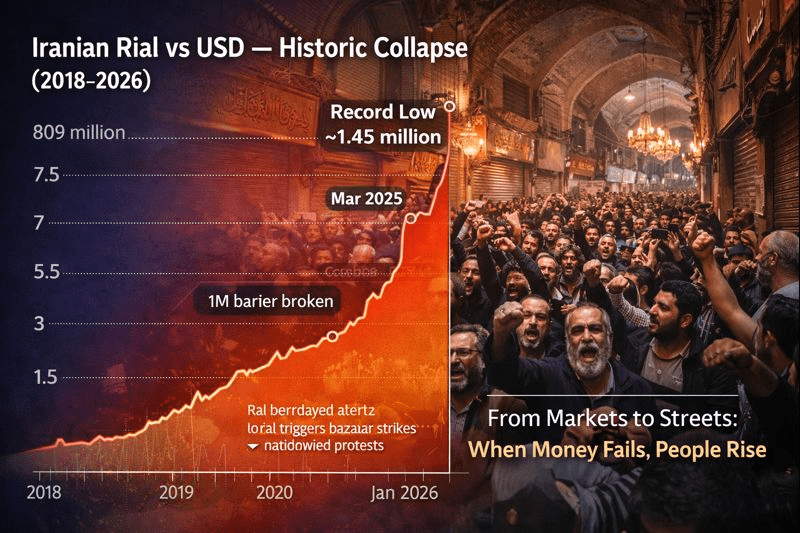
Iran’s economy isn’t just “strained” — right now, it’s in a full crisis mode. Prices of everyday stuff like food and housing are up massively, the national currency (the Iranian rial) has lost most of its value against the dollar, and people can’t trust banks to protect their savings anymore. That’s forced many Iranians to look for alternative ways to save, invest, and protect whatever money they still have.
In this post, we’ll break down why gold and Bitcoin have become big topics in Iran, what’s driving this shift, and what risks are involved.
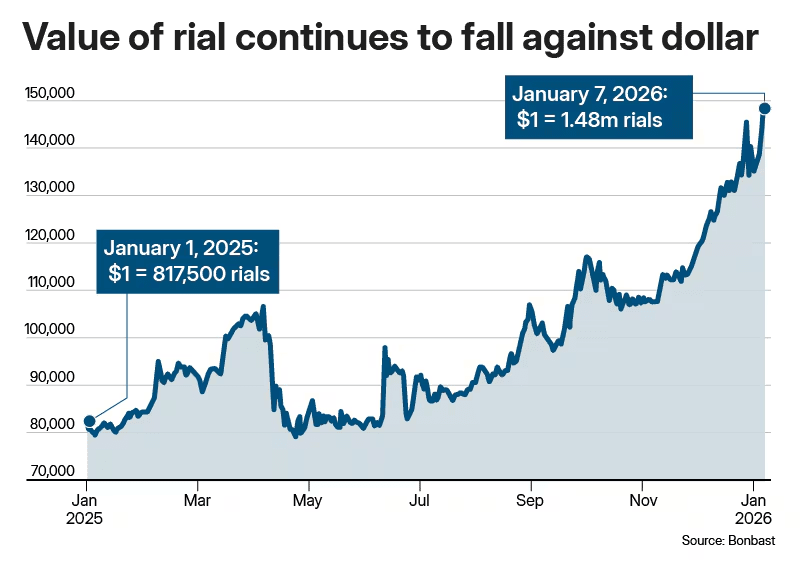
Here’s what’s actually happening:
The Iranian rial has collapsed to record lows against the US dollar, dropping dramatically through 2025.
Inflation remains extremely high, with essential goods and food prices going up fast.
People’s savings in local currency are losing real buying power every month.
Because of this, many Iranians feel like their money is shrinking in real time. When your cash is losing value faster than you can save, you start looking for something that holds value better.
2. Gold: The Traditional Safe Haven
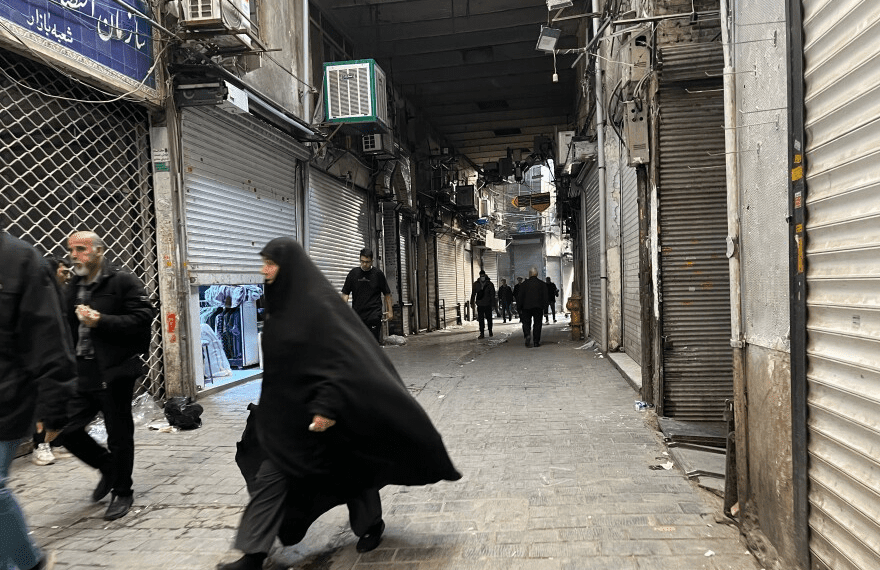
Gold has always been considered a safe store of value in places facing currency problems — and Iran is no exception. When the rial weakens, gold prices (in rial terms) go up because everybody wants something that doesn’t lose value as fast. Gold’s popularity in Iran isn’t new — people have trusted gold for centuries because it’s:
Tangible (you can hold it)
Trusted culturally
A global store of value
But gold isn’t perfect. It’s harder to move quickly, can be confiscated, and isn’t ideal for everyday digital transactions.
3. Bitcoin & Cryptos: The New Kid on the Block
Here’s where it gets interesting for crypto people:
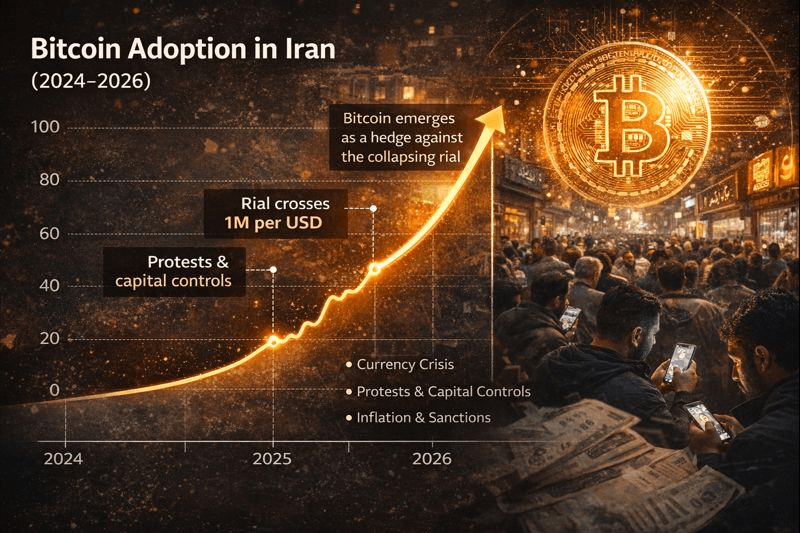
📈 Bitcoin’s Adoption Is Surging
Recent blockchain data shows that Iran’s crypto economy — mostly Bitcoin — ballooned to about $7.78 billion in 2025. That’s huge growth, especially given all the economic chaos.
🔥 Bitcoin as “Digital Safe Haven”
During inflation and political unrest, more people are withdrawing Bitcoin from exchanges into personal wallets — meaning folks want real control over their money.
Spikes in Bitcoin activity often coincide with protests or times when the economy is under stress, showing it’s not just speculation — it’s a financial response to crisis conditions.
🧠 Why Bitcoin Makes Sense in Iran
It’s global, not tied to Iranian banks
It’s not controlled by the government
It’s digital and portable
It can be used even when national currency collapses
This is why Bitcoin is actually trending in Iran — not just in headlines, but in on-chain behavior. It’s being used as a flight to safety during real-world stress events.
4. How Internet Shutdowns & Protests Affect Money Choices
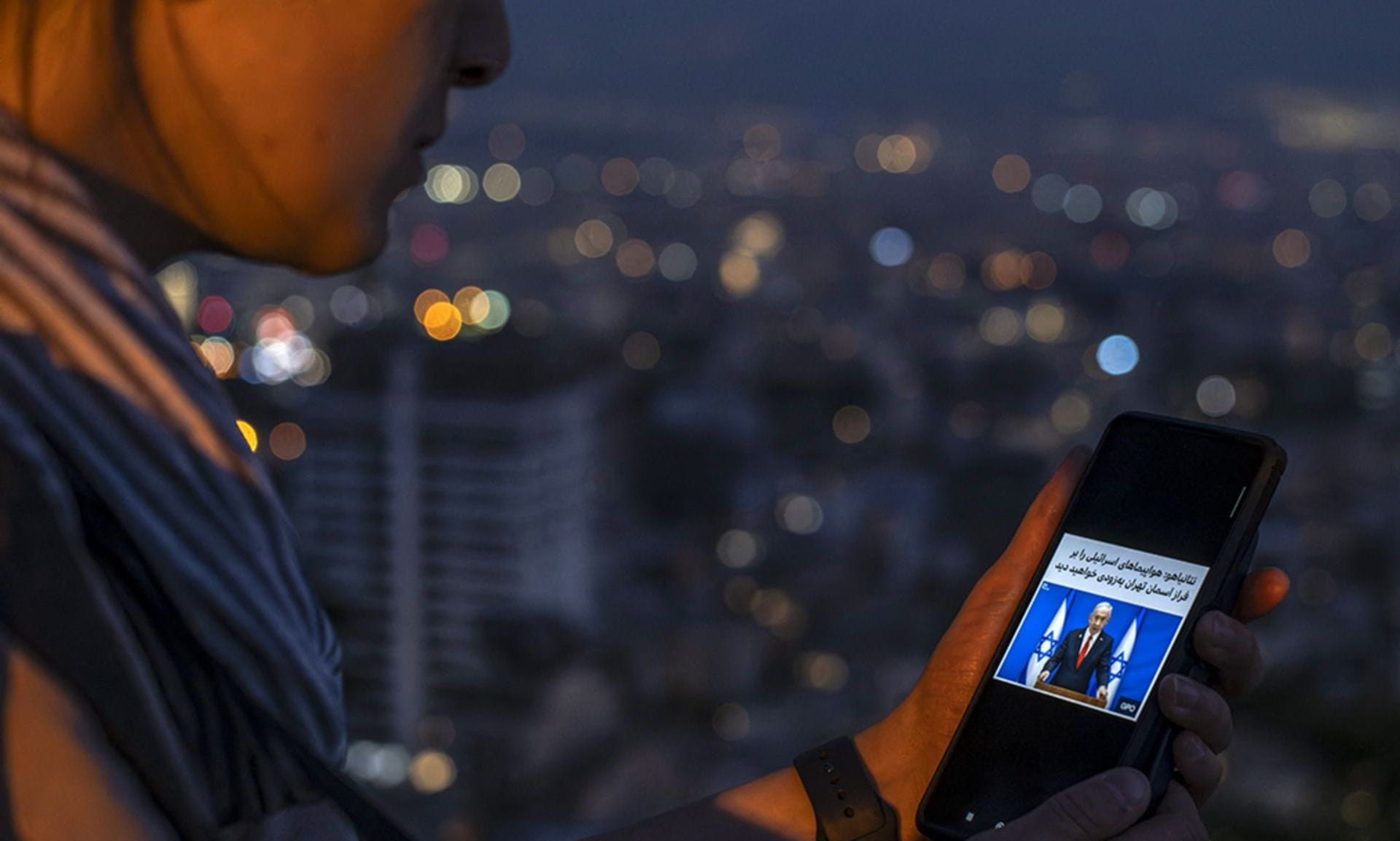
In late 2025 and early 2026, Iran experienced big protests because of economic hardship — and the government even imposed internet blackouts at times. During these periods, Bitcoin transfers spiked because people were trying to protect their wealth or move funds in ways government banking systems couldn’t easily block.
This shows a deeper shift: when people lose trust in state financial systems, they turn to decentralized alternatives.
5. Not Just Civilians — Even Powerful Groups Are Using Crypto
Bitcoin and crypto aren’t just being used by everyday Iranians — powerful state-linked groups (like those associated with the Islamic Revolutionary Guard Corps) are also heavily involved in crypto flows. And as adoption grows, their share of blockchain activity has increased too.
This dual role highlights that crypto is neutral infrastructure — it can be used by both people trying to protect savings and by actors seeking to move money around outside traditional systems.
6. The Risks: Don’t Get It Twisted
This isn’t a “Bitcoin will save Iran” article — and it shouldn’t be read that way. Here are the real risks:
Volatility: Bitcoin prices swing hard — you can lose 20–30% in value quickly.
Regulatory uncertainty: Laws in Iran are unclear or shifting on crypto.
Access issues: Not everyone has reliable internet or secure wallets.
Security risk: If you lose your private keys, the Bitcoin is gone forever.
Crypto isn’t a guaranteed safe haven — it’s just another tool people are trying when their local money isn’t working.
Conclusion — What’s Really Happening and What It Means
Iran right now is like a real-world stress test of national money systems. When inflation destroys the currency and banks can’t protect savings, people naturally look for alternatives — gold first, and now increasingly Bitcoin.
This isn’t about hype. This is about economic survival, loss of trust, and finding tools that people feel give them real control over their money.