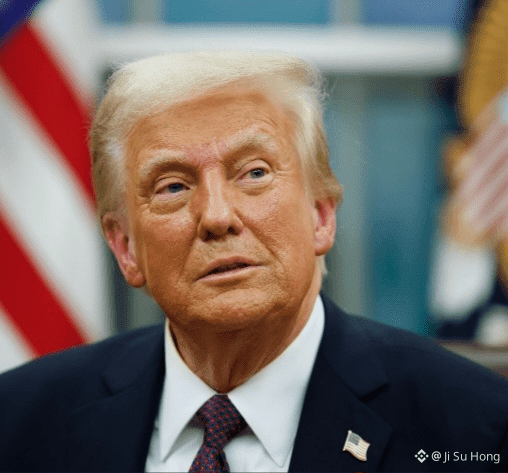
What we just saw wasn’t random selling or “bad luck.”
It was a classic market psychology play, and it’s been used many times before.
Every time Trump brings tariffs into the conversation, the flow is almost the same:
Phase 1 – Shock first Announcements usually drop when markets are closed. No chance to react, fear spreads fast.
The numbers aren’t final — they’re threats. Pressure first, talks later.
When markets reopen, institutions don’t wait around: • Leverage gets cut
• Margin requirements jump
• Volatility models trigger
• Liquidity dries up
That’s why price moves look aggressive and emotional.
Why $BTC takes the hit Bitcoin isn’t treated as “digital gold” during these moments.
It’s viewed as high-beta risk with 24/7 trading and leverage — so it becomes the fastest outlet for stress. That’s also why alts feel it even more.
Phase 2 – Tone shift Then come the softer words:
“Negotiations”, “constructive talks”, “temporary measures”.
Volatility cools. Selling pressure slows.
Phase 3 – Resolution Delay, partial deal, or a headline agreement.
Uncertainty fades — and markets usually reclaim (and often exceed) pre-dump levels.
We’ve seen this script before with China, Mexico, Canada, India — and now again.
📌 Key takeaway:
This wasn’t about fundamentals or valuation.
It was forced deleveraging.
If history rhymes, the shock phase is behind us…
Negotiation comes next. 👀
Coins to watch once pressure eases:
$BTC $ETH $SOL $BNB $AVAX $LINK
#Bitcoin #CryptoMarkets #BTC #ALTCOİN #MarketPsychology