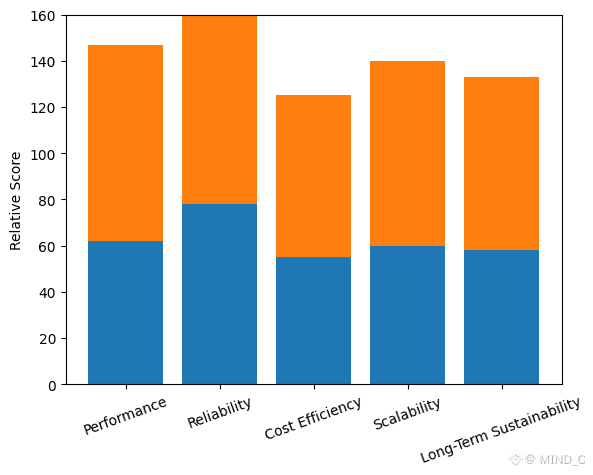
I have been around long enough to flinch when a new token is introduced with the familiar promise that this time infrastructure will finally behave like adults want it to and when I hear Walrus pitched as a DeFi protocol with privacy governance staking and a native token wrapped around something called decentralized storage my instinct is not curiosity. It is caution mixed with exhaustion.
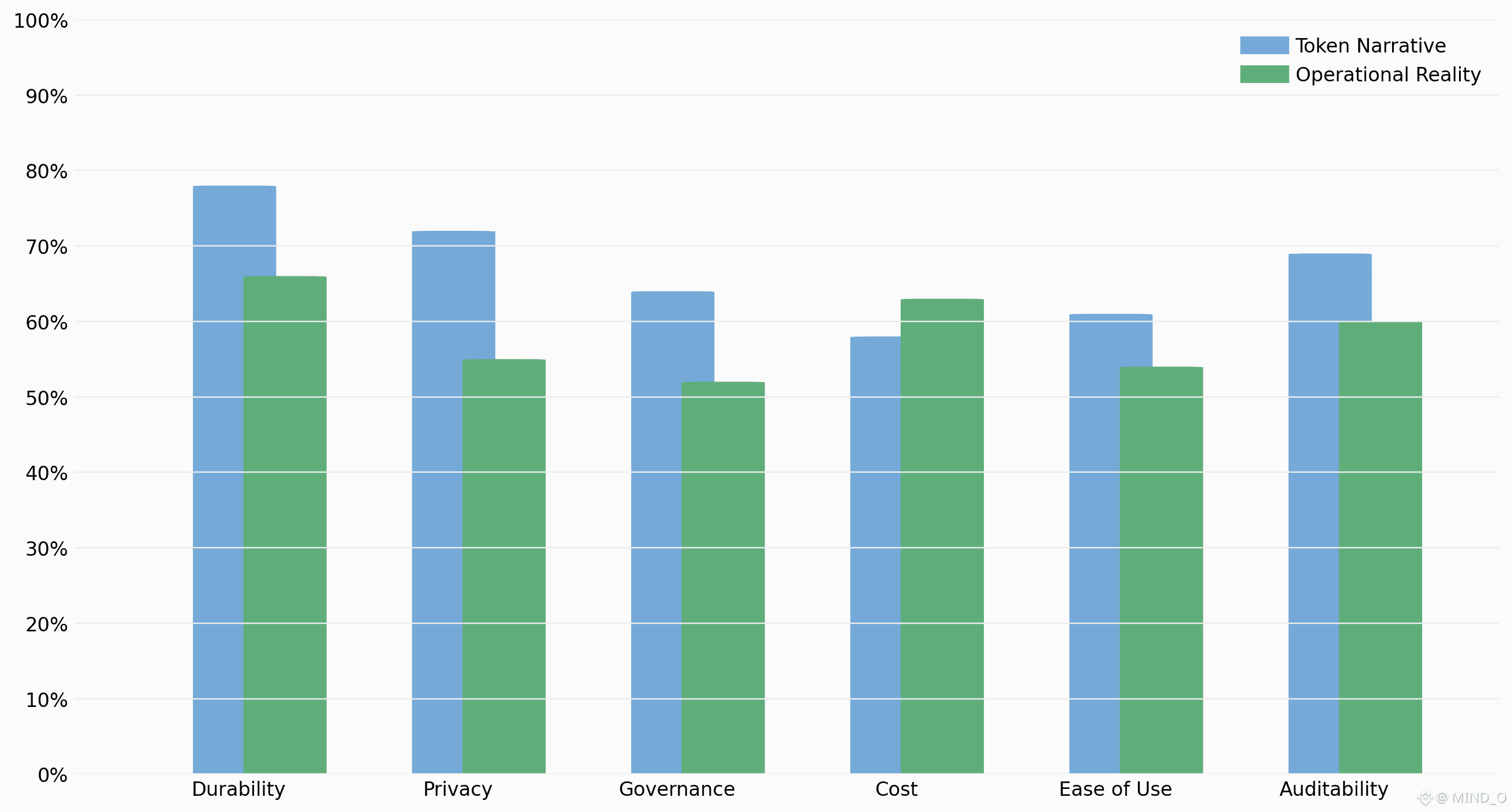
I have seen this cycle before. Too many times.
Walrus is not really about DeFi even if that word keeps getting sprayed around to keep people interested. In my view it is an attempt to deal with one of the least glamorous problems in crypto. Where data actually lives once you stop pretending everything fits neatly on chain. Big files. Real files. The kind that matter. The kind that cause panic when they disappear.
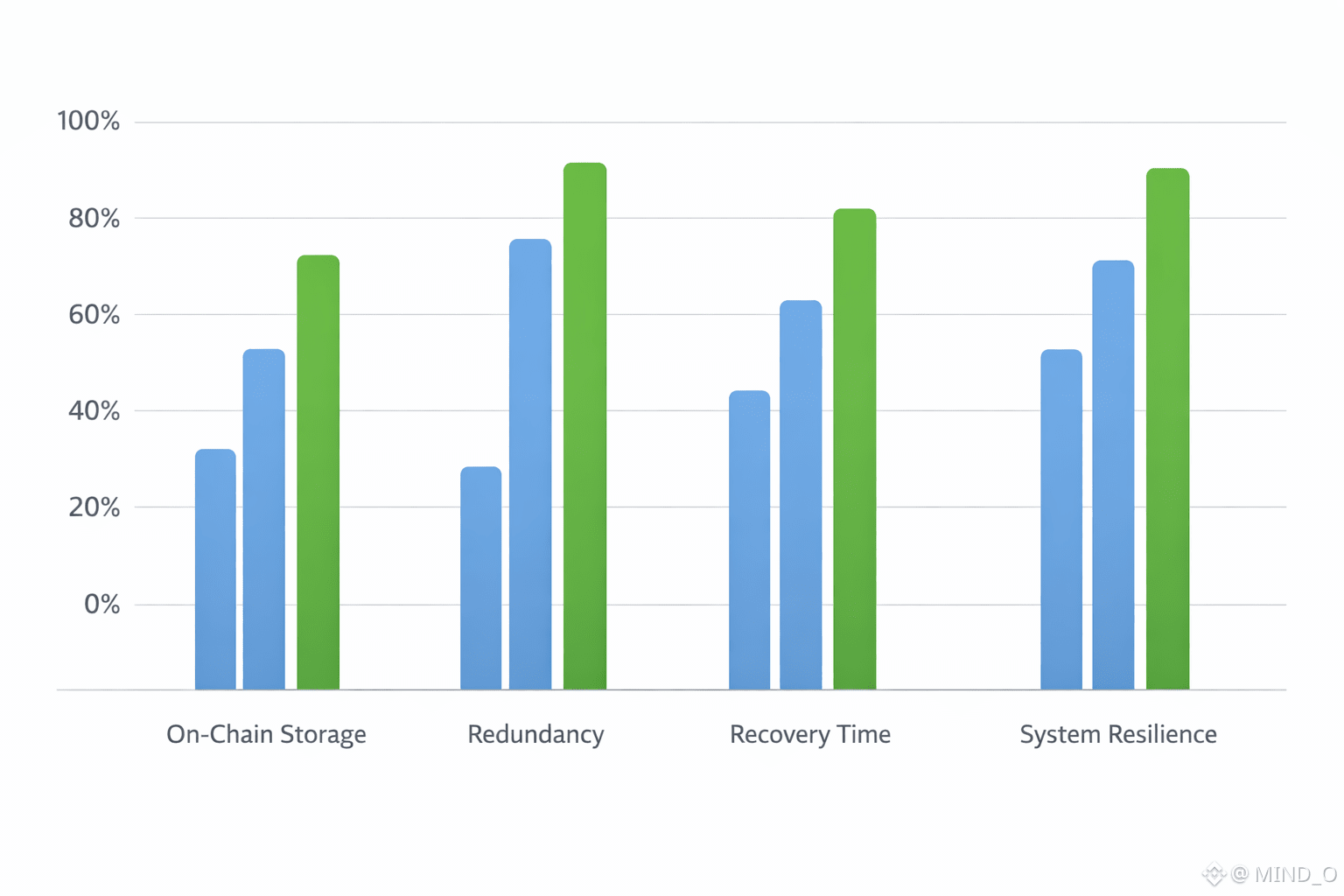
Storage is cruel. It does not care about narratives. Disks fail. Operators vanish. Networks freeze at exactly the wrong moment. I have watched teams swear their redundancy models were solid right up until recovery took longer than promised and trust drained away without noise or drama. Walrus leans on erasure coding committees and epochs to manage this chaos and yes that is how serious systems are built. It is also how systems collect fragile assumptions that only show themselves under stress.
Then there is Sui. Tight integration. Clean object model. Everything talking to everything else by design. I understand the appeal. I also get uneasy when a protocol ties its survival to the economics and governance of a single chain. I have seen chains change priorities fast once real money arrives. Fees rise. Incentives bend. Suddenly alignment stops feeling mutual and starts feeling compulsory.
Now the token. WAL is meant to secure the network through delegated stake deciding who stores data and who gets paid. On paper that sounds reasonable. In reality delegation follows familiarity not performance. Stake clusters. Power concentrates. Governance becomes theater. I have sat through enough calls to know when outcomes are already decided. Who are we kidding.
The harder question is demand. Real demand. Not pilots. Not grants. Not friendly demos. Who is trusting this system with data they cannot afford to lose. Who wants to manage expirations lifetimes renewals and pricing swings just to avoid traditional providers. Developers like decentralization until it slows them down. Users like it until something goes missing.

Every storage project hits the same wall. Performance complaints appear. Retrieval feels slow. Someone proposes caching. Then acceleration layers. Then optional helpers that quietly become required if you want users to stop complaining. I have watched decentralization drift upward leaving the core pure while the experience becomes familiar and centralized. It is not a scandal. It is gravity.
I do not think Walrus is naive. It feels built by people who understand that storage is where crypto stops being slogans and starts being responsibility. I have also learned that responsibility is expensive boring and rarely rewarded when markets are euphoric.
So do not ask me if Walrus works. That is easy. Ask whether it keeps working when the token stops pumping the spotlight moves on and keeping other peoples data alive turns into an unglamorous daily burden that nobody tweets about.