
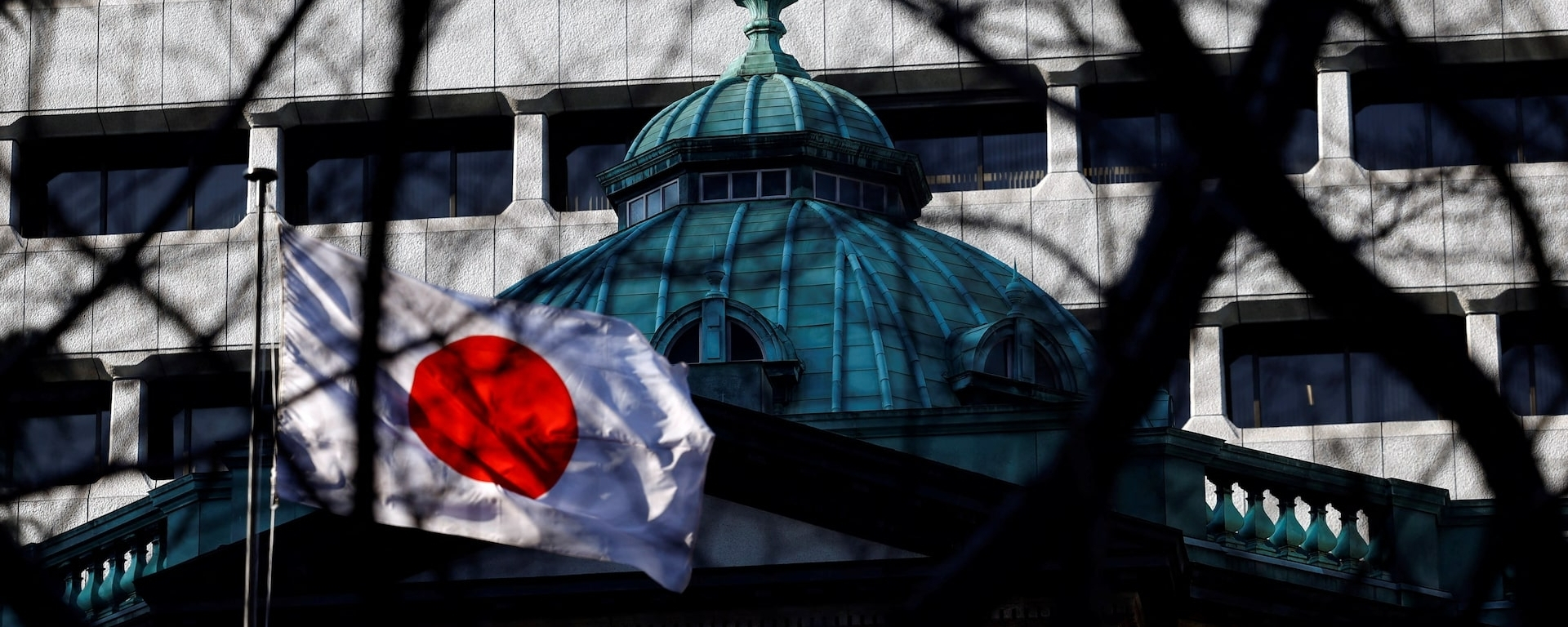

The Bank of Japan (BOJ) is widely expected to hike its key policy rate by 25 basis points to 1.00% at its meeting concluding June 16, 2026. This would mark the highest level for Japanese rates since the mid-1990s and represents another step in the central bank’s gradual exit from ultra-loose monetary policy.
While the move appears well-telegraphed by markets, it carries broader implications for global liquidity, currency flows, and risk assets.
Historical Context
Japan last operated with policy rates around this level in the mid-1990s — a period that included notable market turbulence. In 1994, the “Great Bond Massacre” saw sharp losses in global bond markets. In 1995, the yen strengthened dramatically, with USD/JPY briefly plunging to a record low near 79.75.
Past BOJ tightening cycles have at times coincided with pressure on risk assets, including cryptocurrencies. Bitcoin and other speculative assets have historically shown sensitivity to shifts in global liquidity and yen-funded carry trades.
Japan’s Global Influence
Japan remains one of the world’s most significant sources of cross-border capital:
Japanese investors and institutions are major buyers of foreign assets.
Japan holds approximately $1.19 trillion in U.S. Treasuries (as of March 2026), making it the largest foreign holder.
Any material shift in Japanese monetary policy or yield environment can influence capital flows, bond yields, and currency valuations worldwide — particularly the U.S. dollar and yen carry trades that have funded investments in higher-yielding assets.
Current Outlook
The BOJ’s decision comes amid persistent inflation pressures in Japan and a weaker yen. Economists largely anticipate this hike is already priced in, with futures markets assigning very high probability to the move.
However, the broader risk lies in how markets react if the tightening cycle accelerates or if it exposes fragilities in global leverage and positioning. Japan’s policy normalization, while modest by international standards, removes one of the last major sources of ultra-cheap liquidity from the global system.
Bottom line:
This is not a sudden shock event, but a meaningful milestone in the post-ZIRP era. Investors should monitor the BOJ’s tone on future hikes, yen strength, and any signs of stress in carry trade unwinds. History shows that shifts in Japanese policy can ripple far beyond Tokyo — even if the full effects take time to materialize.
Stay informed and manage risk accordingly.