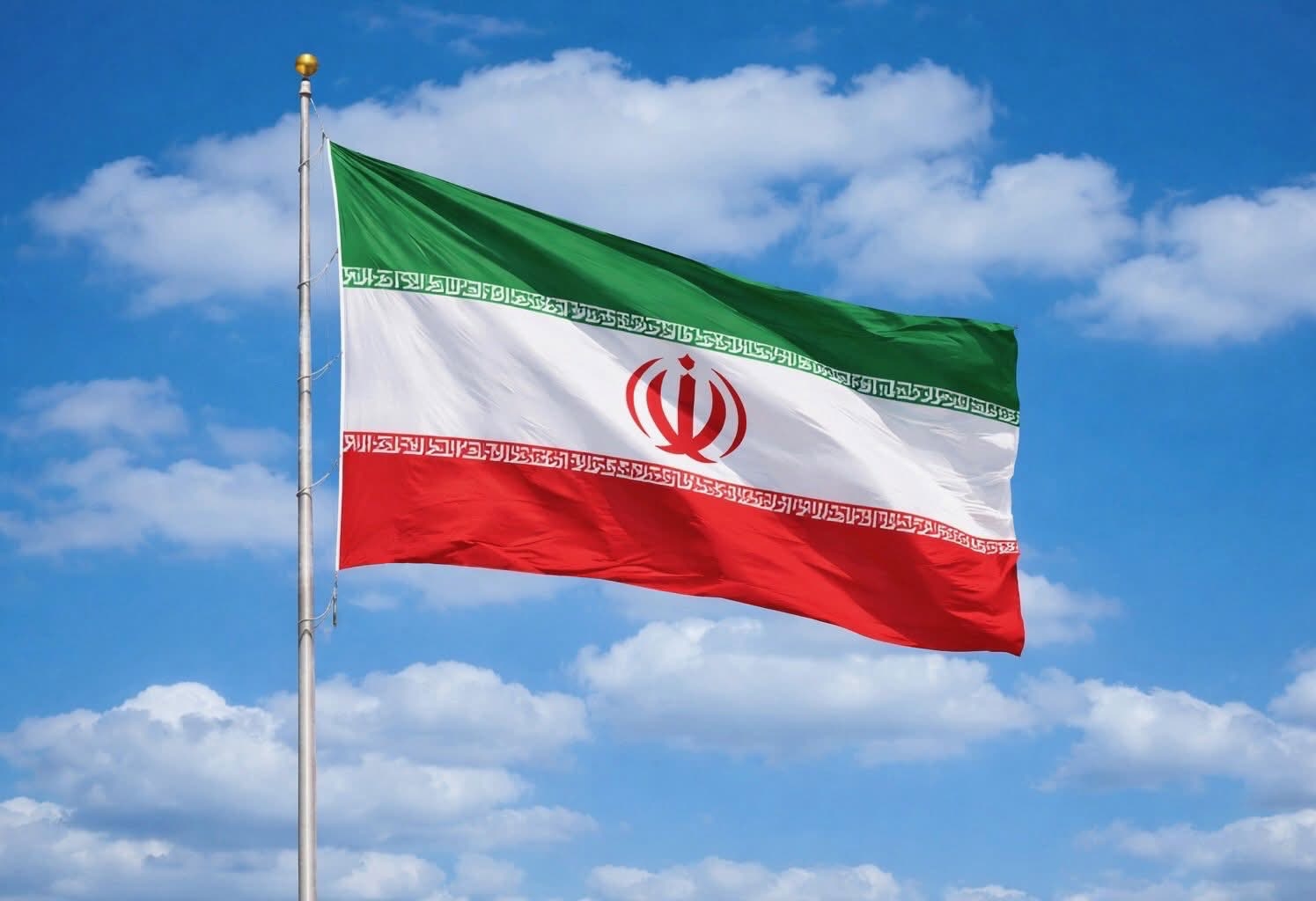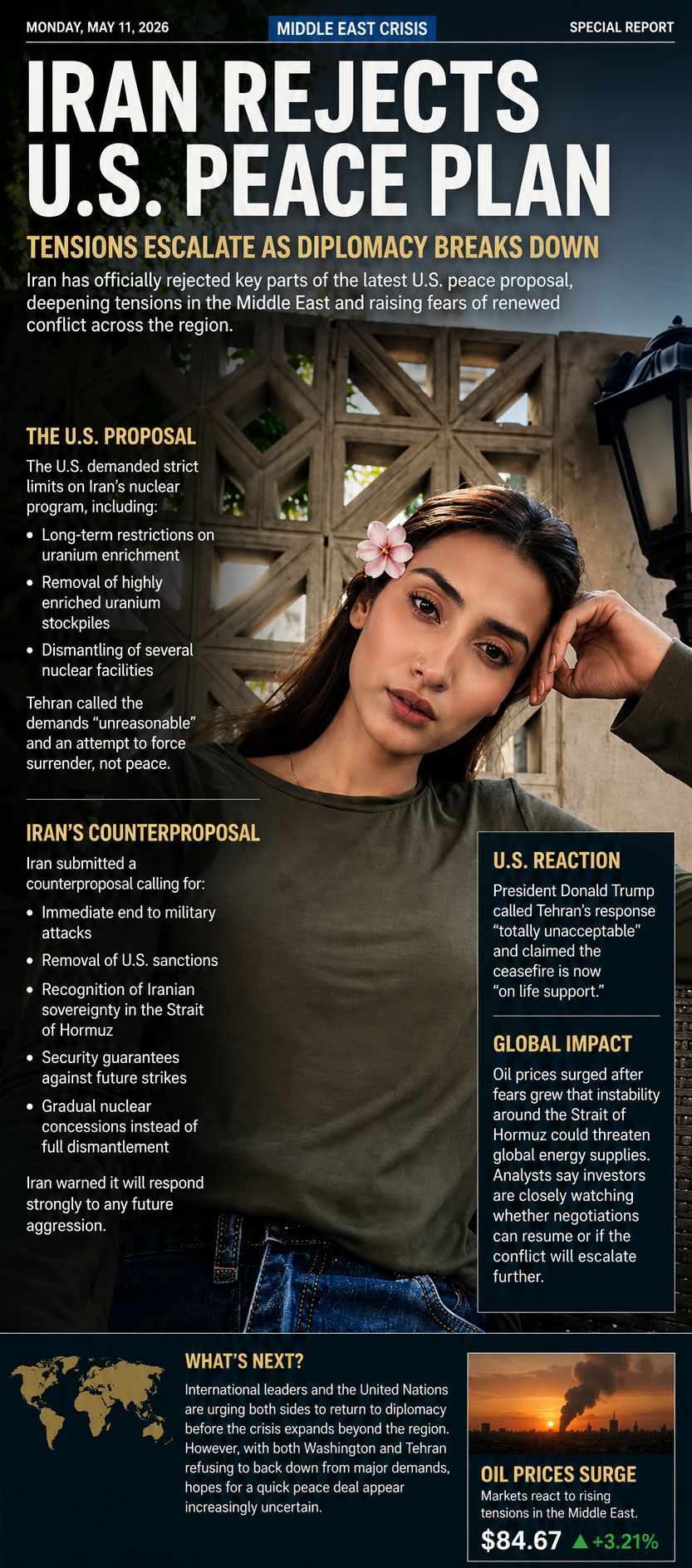
Iran has officially rejected key parts of the latest U.S. peace proposal, deepening tensions in the Middle East and raising fears of renewed conflict across the region. The rejection comes after weeks of fragile ceasefire negotiations involving the United States, Iran, Israel, and regional mediators.
According to reports, the U.S. proposal demanded strict limits on Iran’s nuclear program, including long-term restrictions on uranium enrichment, removal of highly enriched uranium stockpiles, and dismantling of several nuclear facilities. Tehran described those demands as “unreasonable” and accused Washington of attempting to force a surrender rather than negotiate a balanced peace agreement.
Iran instead submitted a counterproposal calling for:
An immediate end to military attacks
Removal of U.S. sanctions
Recognition of Iranian sovereignty in the Strait of Hormuz
Security guarantees against future strikes
Gradual nuclear concessions instead of full dismantlement
Iranian officials warned that the country is prepared to respond strongly to any future aggression, while U.S. President Donald Trump called Tehran’s response “totally unacceptable” and claimed the ceasefire is now “on life support.”
The diplomatic breakdown has already impacted global markets. Oil prices surged after fears grew that instability around the Strait of Hormuz could threaten global energy supplies. Analysts say investors are now closely watching whether negotiations can resume or if the conflict will escalate further in the coming days.
International leaders and the United Nations are urging both sides to return to diplomacy before the crisis expands beyond the region. However, with both Washington and Tehran refusing to back down from major demands, hopes for a quick peace deal appear increasingly uncertain. #IranRejectsSecondRoundTalks #iran #US #TRUMP #peacetalk