
Most blockchain infrastructure still revolves around a simple idea: move assets, record transactions, verify balances.
But that model is starting to show its limits.
Because increasingly, value onchain isn’t just about what happened — it’s about proving who did what, under which conditions, and why it matters.
That’s the layer SIGN is quietly building into.
What stands out immediately is that SIGN doesn’t position itself as another identity protocol or another data layer.
It’s more precise than that.
It focuses on attestations — structured, verifiable claims about actions, credentials, or states. Not generic data, but meaningful proof. The kind of proof that applications can actually use to make decisions.
That distinction matters.
Because raw data is abundant. Proof is not.
Think about how most systems operate today.
A wallet interacts with a protocol. A user participates in a campaign. A contributor completes a task. All of this activity exists onchain, but it’s fragmented, hard to interpret, and often meaningless without context.
There’s no standardized way to say:
This user contributed here
This action met specific criteria
This outcome is valid and verifiable
So every application rebuilds its own logic, its own validation layer, its own trust assumptions.
That’s inefficient.
And more importantly, it doesn’t scale.
SIGN introduces a shared layer where these claims can be issued, verified, and reused across applications.
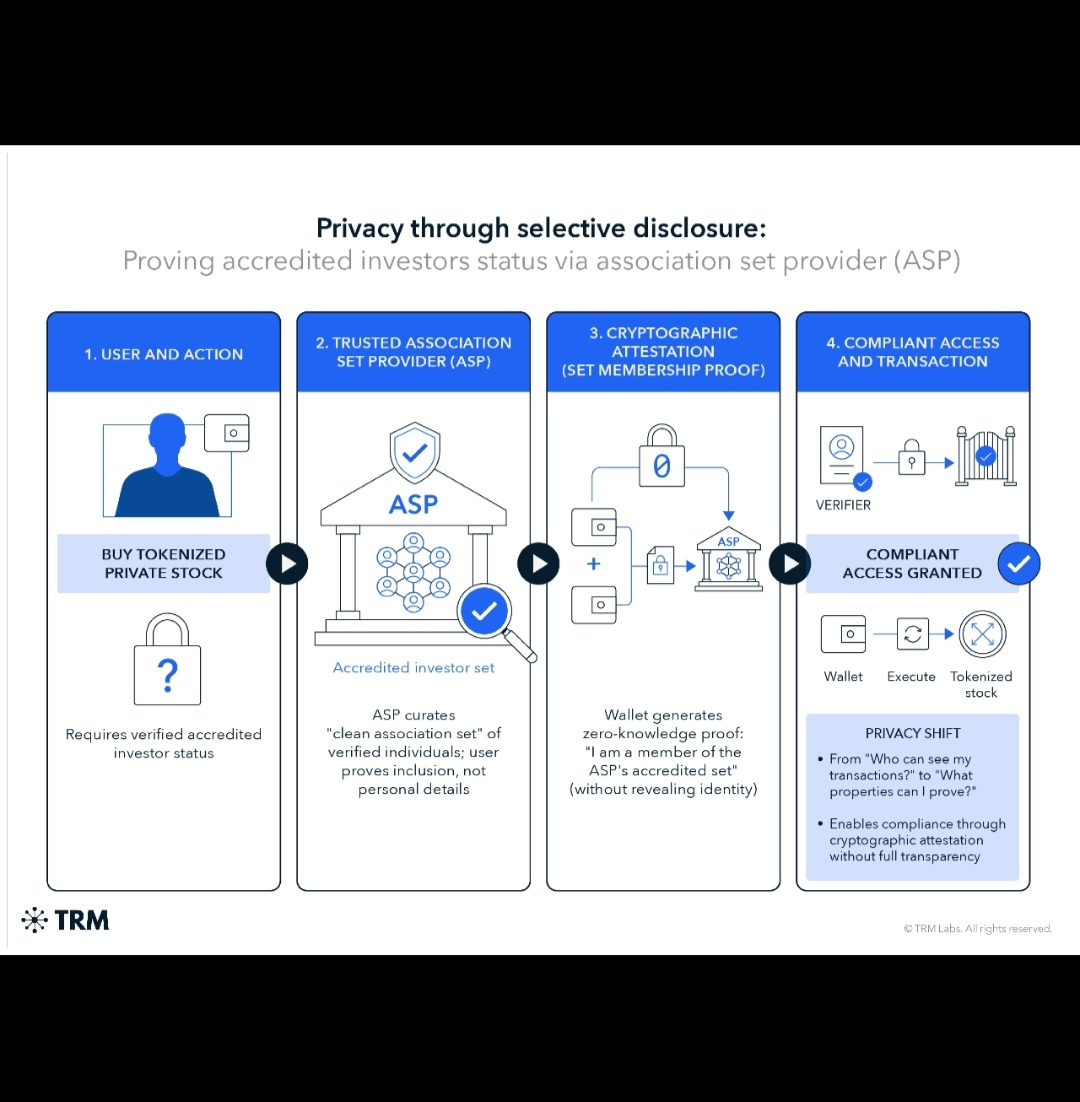
Not as static records, but as programmable attestations.
This is where the system becomes interesting.
Because once actions can be turned into verifiable proofs, they stop being isolated events. They become composable primitives.
A contribution in one ecosystem can be recognized in another. A credential issued in one context can unlock access somewhere else. A verified action can carry weight beyond its original environment.
That’s how you start building continuity onchain.
From a design perspective, this shifts blockchain from a ledger of transactions to a network of verifiable states.
And that’s a much more useful abstraction.
Applications don’t just need to know that something happened. They need to know whether it matters — whether it meets certain conditions, whether it can be trusted, whether it should trigger something else.
SIGN sits exactly at that decision layer.
What makes this even more relevant right now is the rise of onchain distribution models.
Airdrops, incentives, governance participation, contributor rewards — all of these depend on filtering users based on behavior. But without a reliable proof layer, the system is constantly exposed to sybil attacks, manipulation, and noise.
So protocols overcompensate.
They add complexity. They restrict access. They rely on heuristics that are never fully reliable.
SIGN offers a cleaner path.
If participation, contribution, and eligibility can be attested in a standardized way, then distribution becomes more precise. Less guesswork. More signal.
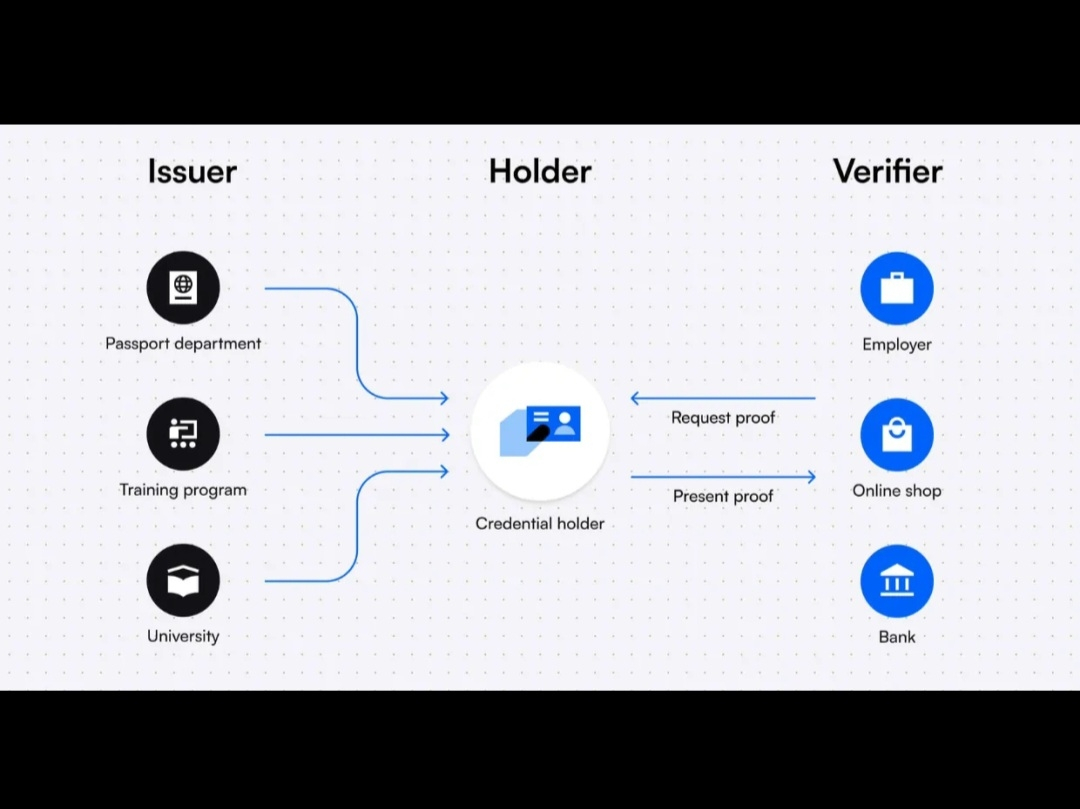
There’s also a deeper implication here.
As more activity moves onchain, reputation becomes increasingly important — but it needs to be portable and verifiable. Not locked inside a single application, and not based on opaque metrics.
Attestations create a foundation for that.
Not reputation as a score, but reputation as a collection of proofs.
And that’s far more robust.
From the token perspective, this ties directly into usage.
If applications rely on attestations to function — to verify users, to distribute rewards, to gate access — then the system generating and validating those attestations becomes critical infrastructure.
That’s where SIGN derives its weight.
Not from speculation, but from integration.
What I find compelling is how understated this approach is.
There’s no attempt to dominate narratives or chase trends. It’s solving a coordination problem that most people only notice when things break — when bots exploit systems, when rewards go to the wrong participants, when trust assumptions fail.
SIGN is building for those failure points.
And if it works, those failures become less frequent — or disappear entirely.
Of course, the challenge is adoption.
A proof layer only matters if multiple applications agree to use it. It requires ecosystem alignment, developer buy-in, and consistent standards. Without that, it risks becoming just another isolated protocol.
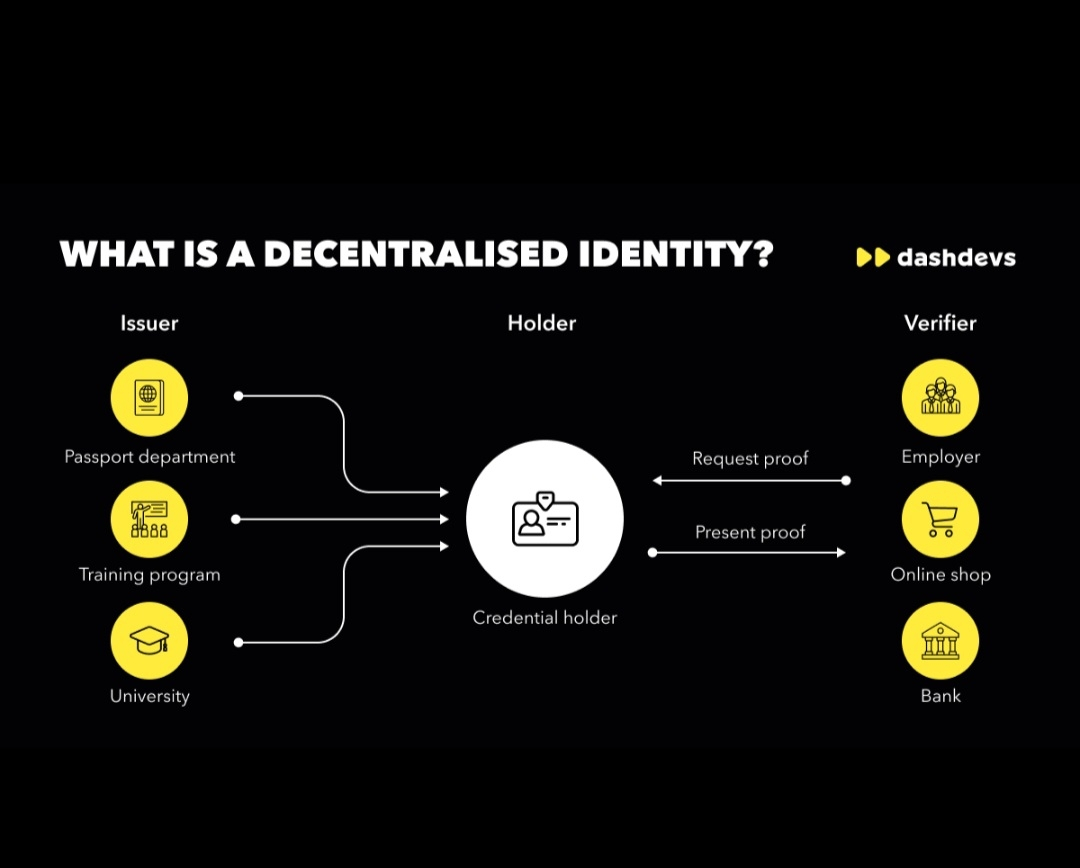
But the direction is clear.
As onchain systems become more complex, the need for verifiable, reusable proof doesn’t go away.
It compounds.
My view is that SIGN is positioning itself in a layer that becomes more valuable over time, not less.
Because the more activity happens onchain, the more important it becomes to understand and verify that activity in a structured way.
Transactions were the first step.
Proof is the next one.
And SIGN is building directly into that transition.