
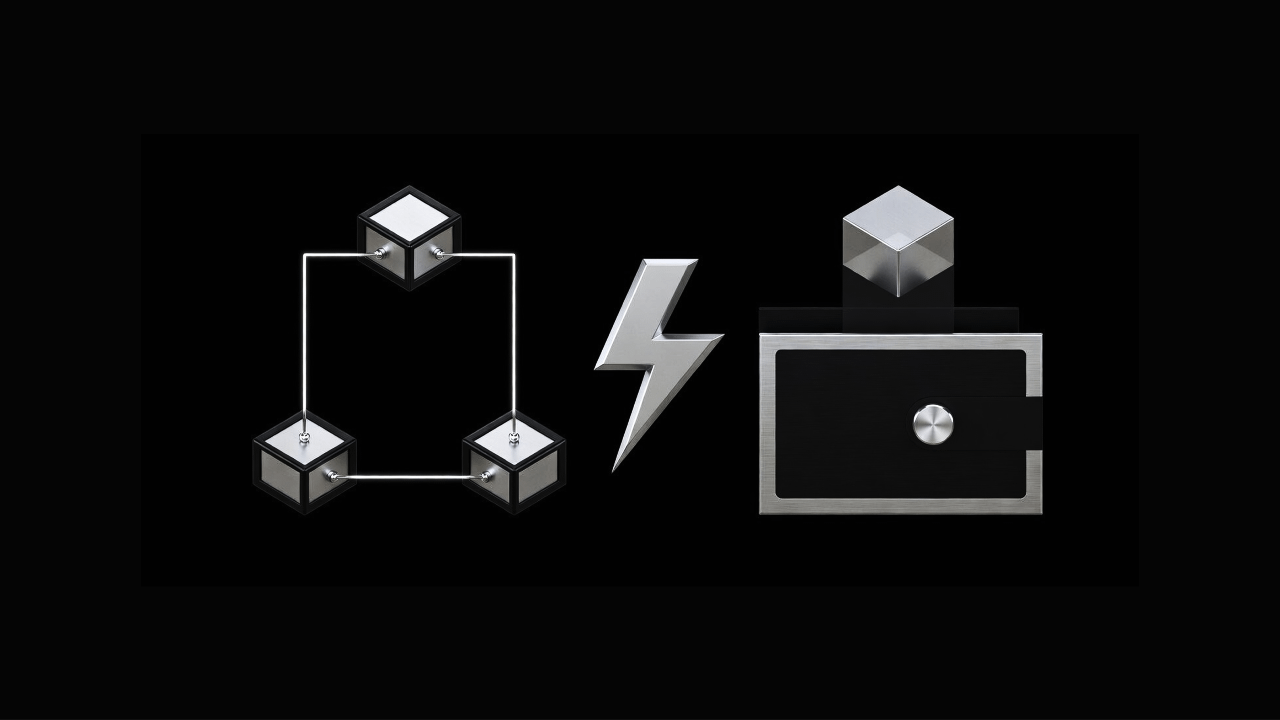


In the blockchain ecosystem, data is at the center of everything—from transactions and smart contracts to user identities and application logic. However, not all data is stored directly on the blockchain. To understand how decentralized systems function efficiently, it’s important to distinguish between on-chain and off-chain data.
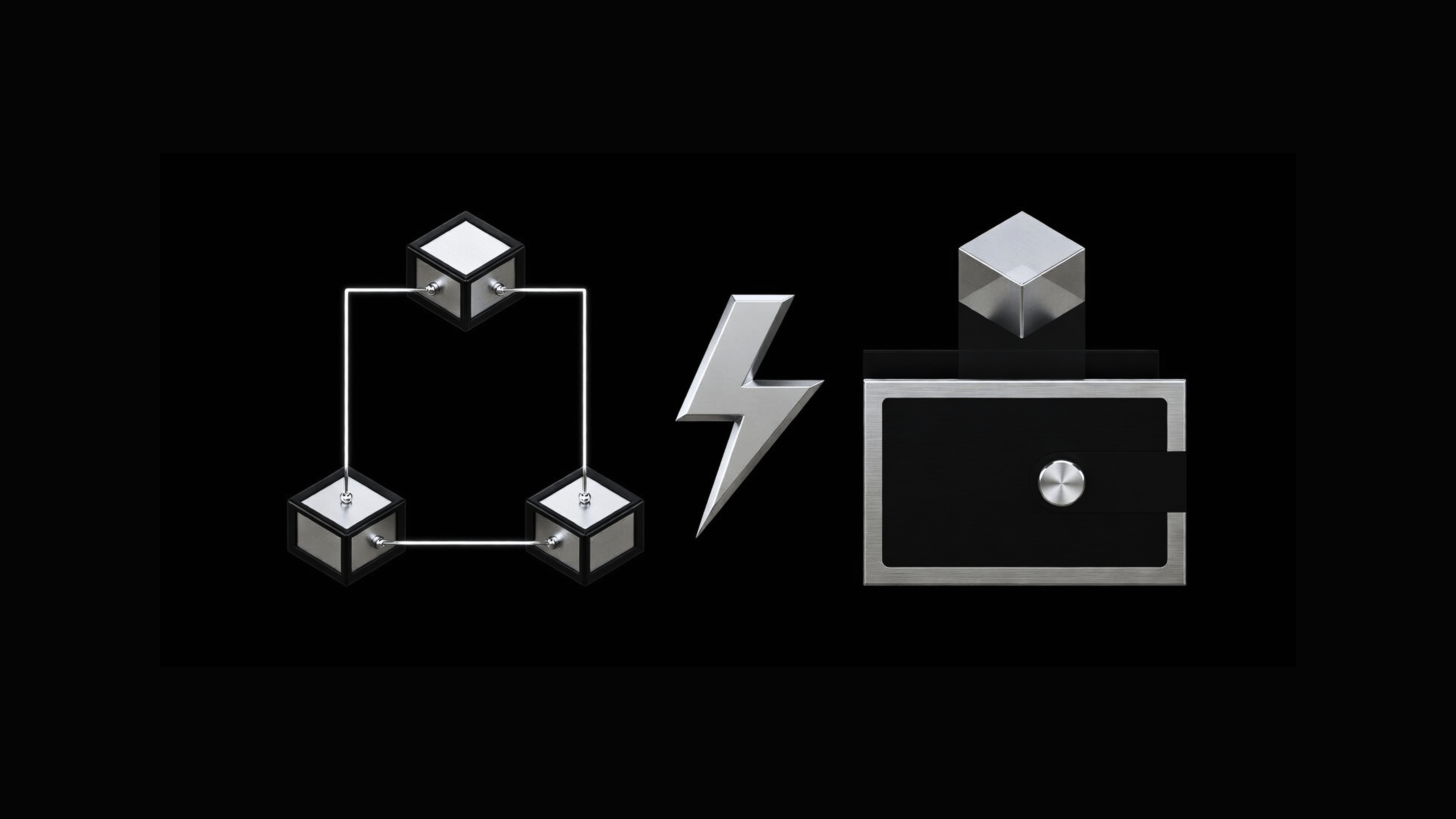
What Is On-Chain Data?
On-chain data refers to any information that is recorded directly on a blockchain. This includes transaction details, wallet balances, and smart contract execution results. Once data is written on-chain, it becomes part of a permanent and immutable ledger.
For example, networks like Bitcoin and Ethereum store all transaction records on-chain. Every transfer, interaction, or contract execution is verified by nodes and added to the blockchain.
The main advantages of on-chain data include:
Transparency: Anyone can verify the data
Security: Data is protected by cryptographic consensus
Immutability: Once recorded, it cannot be altered
However, storing data on-chain comes with limitations. Blockchains have limited capacity, and writing data can be expensive due to transaction (gas) fees. This makes it impractical to store large amounts of data directly on-chain.
What Is Off-Chain Data?
Off-chain data refers to any information stored outside the blockchain. This could include files, application data, or even parts of smart contract logic that are handled externally.
Off-chain solutions are often used to improve scalability and reduce costs. Instead of storing everything on the blockchain, only essential data or proofs are recorded on-chain, while the rest is handled off-chain.
For instance, decentralized storage platforms like IPFS allow users to store large files off-chain while linking them to the blockchain through hashes. This ensures data integrity without overloading the network.
Key Differences
The distinction between on-chain and off-chain data comes down to trade-offs:
Storage Location: On-chain data lives on the blockchain; off-chain data is stored externally
Cost: On-chain storage is expensive; off-chain is generally cheaper
Security: On-chain is highly secure; off-chain depends on the system used
Speed: Off-chain operations are typically faster
Scalability: Off-chain solutions enable greater scalability
Why Both Are Necessary
Modern blockchain applications rarely rely solely on on-chain data. Instead, they combine both approaches to balance security and efficiency.
For example, a decentralized application (dApp) might store critical transaction data on-chain while keeping user profiles, images, or large datasets off-chain. This hybrid model allows developers to maintain trust where it matters most while optimizing performance.
Another common use case is Layer 2 scaling solutions, where transactions are processed off-chain and later settled on-chain. This reduces congestion and improves transaction speed without compromising the underlying blockchain’s security.
Real-World Implications
Understanding the difference between on-chain and off-chain data is crucial for users and developers alike. It affects everything from transaction fees and speed to privacy and data ownership.
For users, it helps explain why some actions cost more or take longer. For developers, it shapes how applications are designed and scaled. Choosing the right balance between on-chain and off-chain components can determine whether a project is efficient and sustainable.
Conclusion
On-chain and off-chain data are not competing concepts—they are complementary. While on-chain data ապահովs trust, transparency, and immutability, off-chain data enables flexibility, speed, and scalability.
As blockchain technology continues to evolve, the integration between these two layers will become even more important. Projects that effectively combine on-chain security with off-chain efficiency are likely to lead the next wave of innovation in the decentralized world.
--
Disclaimer: The information provided herein is offered "as is" for illustrative and informational purposes only, with no representation or warranty whatsoever. This information is not intended to vouch for financial, legal, or other professional advice, nor does it endorse the purchase of any particular product or service.