
I keep coming back to one fairly unglamorous thought when I look at crypto infrastructure. Most systems do not break because they cannot move data. They break because they cannot make data believable across different environments. One platform says a user qualifies. Another platform is not fully convinced. A wallet looks eligible in one place and questionable in another. The action itself is easy. The proof around the action is where everything starts to drag.
That is basically why SIGN stayed in my head.
At first, I did what I usually do with projects like this. I assumed it was another neatly packaged verification layer with a token attached to it, which in crypto is almost a genre of its own now. A lot of them sound useful in theory and strangely weightless in practice. But the more I looked at SIGN, the less I thought about branding and the more I thought about friction. Real friction. The dull kind that slows systems down every day.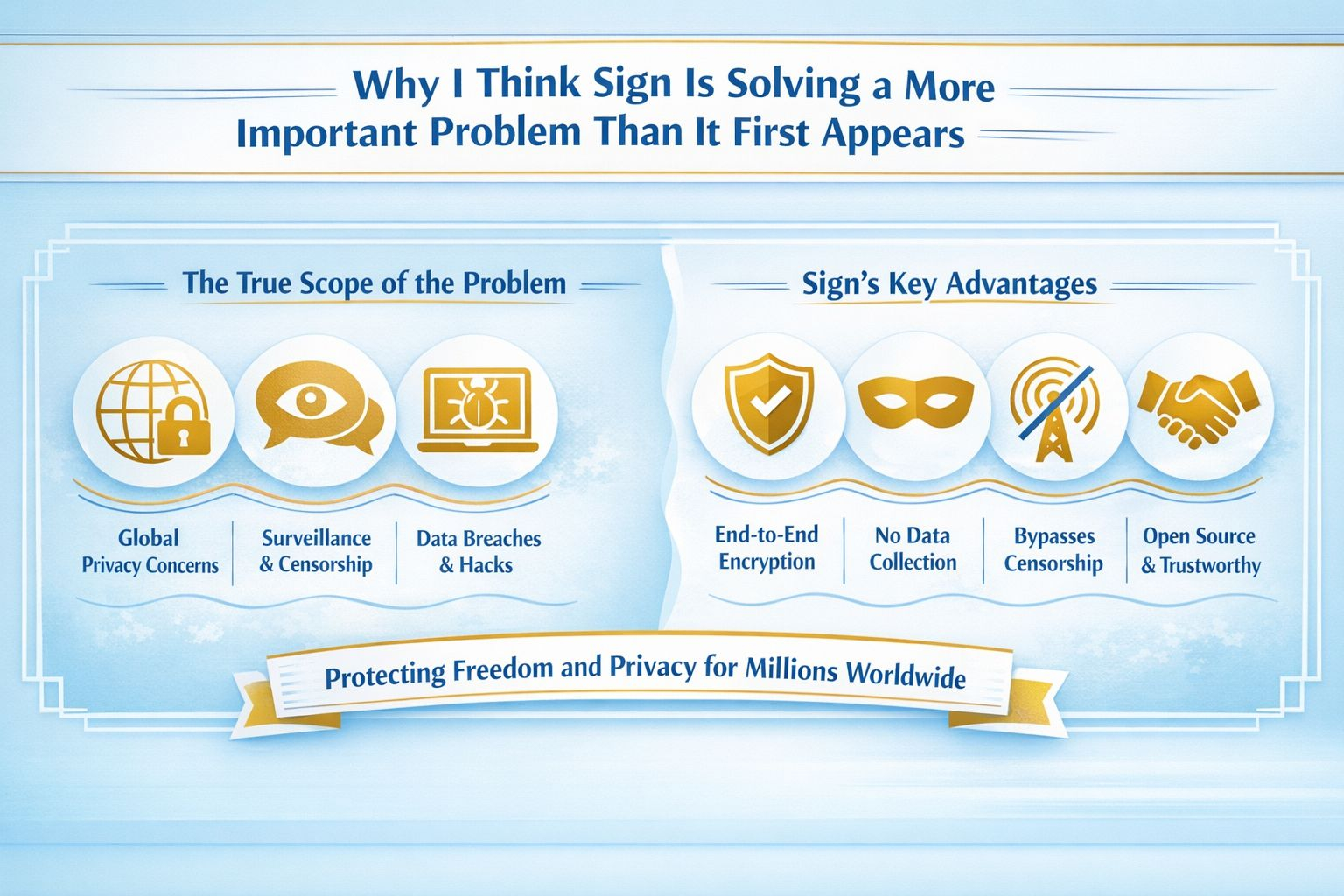 My view is that SIGN matters if you believe the internet is entering a phase where trust has to become portable. Not universal, not blind, not permanent. Portable. A claim made in one system needs to be legible in another without being rebuilt from scratch each time. That sounds like a small design improvement, but I do not think it is small at all. I think it is one of the deeper infrastructure problems underneath digital identity, token distribution, access control, and even institutional coordination.
On the surface, SIGN is easy enough to describe. It works around attestations, which is just a technical way of saying signed claims. A claim that a wallet is eligible. A claim that someone completed an action. A claim that a user belongs to a category or passed some requirement. Underneath that, though, what SIGN is really trying to do is standardize how those claims are structured, issued, and verified so other systems can rely on them with less hesitation.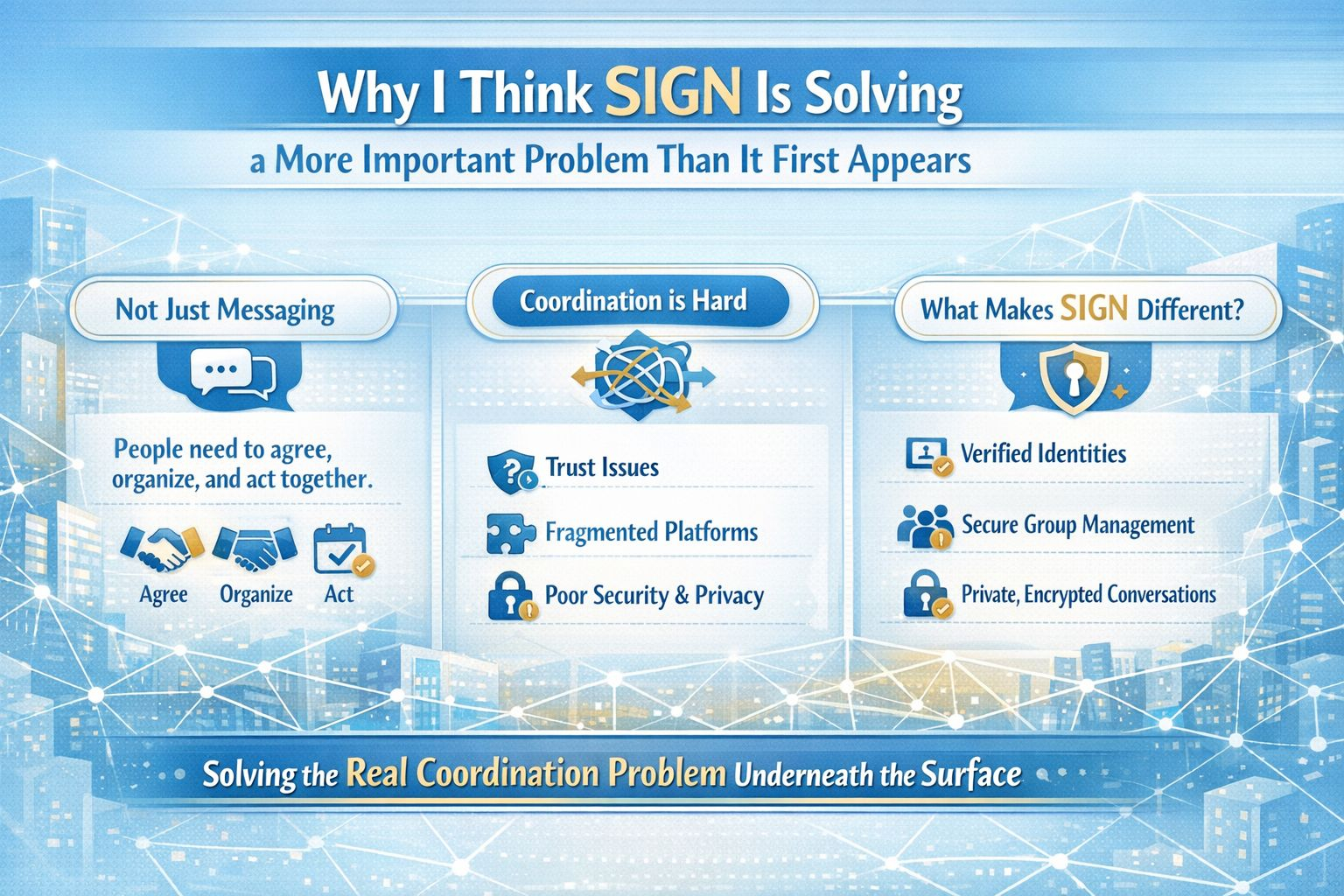 That distinction matters to me. I think a lot of crypto projects get stuck explaining what they do without explaining what pressure they are removing from the system. In SIGN’s case, the pressure is coordination cost. The cost of checking, rechecking, disputing, syncing, and validating the same thing across too many platforms. When that cost falls, systems stop feeling so brittle.
I actually think TokenTable makes this clearer than the protocol language does. If you only hear that it helps with token distribution, vesting, and unlocks, it sounds like operational plumbing. Useful, maybe, but not especially interesting. My opinion is that the interesting part is underneath. Distribution is never just distribution. It is rules, timing, proof, eligibility, disputes, audit trails. Sending an asset is easy. Defending why it went to one address and not another is harder. That is where the infrastructure starts to matter. What also caught my attention is that SIGN does not seem to be living only at the level of concept. The growth in schemas, attestations, and wallet-level distribution activity suggests that the system is being used in workflows where verification actually changes outcomes. I try not to overreact to numbers in crypto because big usage figures can hide shallow behavior. Still, when a project built around trust infrastructure shows repeated operational use, I take that more seriously than I take a lot of louder narratives.
Where I am more cautious is the token. I do not think usefulness automatically turns into clean token value. In fact, one of my recurring frustrations with crypto is that genuinely useful systems sometimes have the weakest value capture logic, while louder and thinner systems get the stronger market narrative. SIGN may be solving a real problem, and I think it is. But that still leaves an open question about whether the token becomes structurally necessary or just sits near the useful part.
That is probably my honest position on it. I find SIGN more interesting than many projects around it, not because it feels bigger, but because it feels more grounded. It is working on a problem that shows up everywhere once you start noticing it. Systems do not just need data to move. They need claims to survive contact with other systems. If SIGN can keep making that easier, I think it has real importance. I am just not fully convinced yet that the market knows how to price that kind of importance properly.