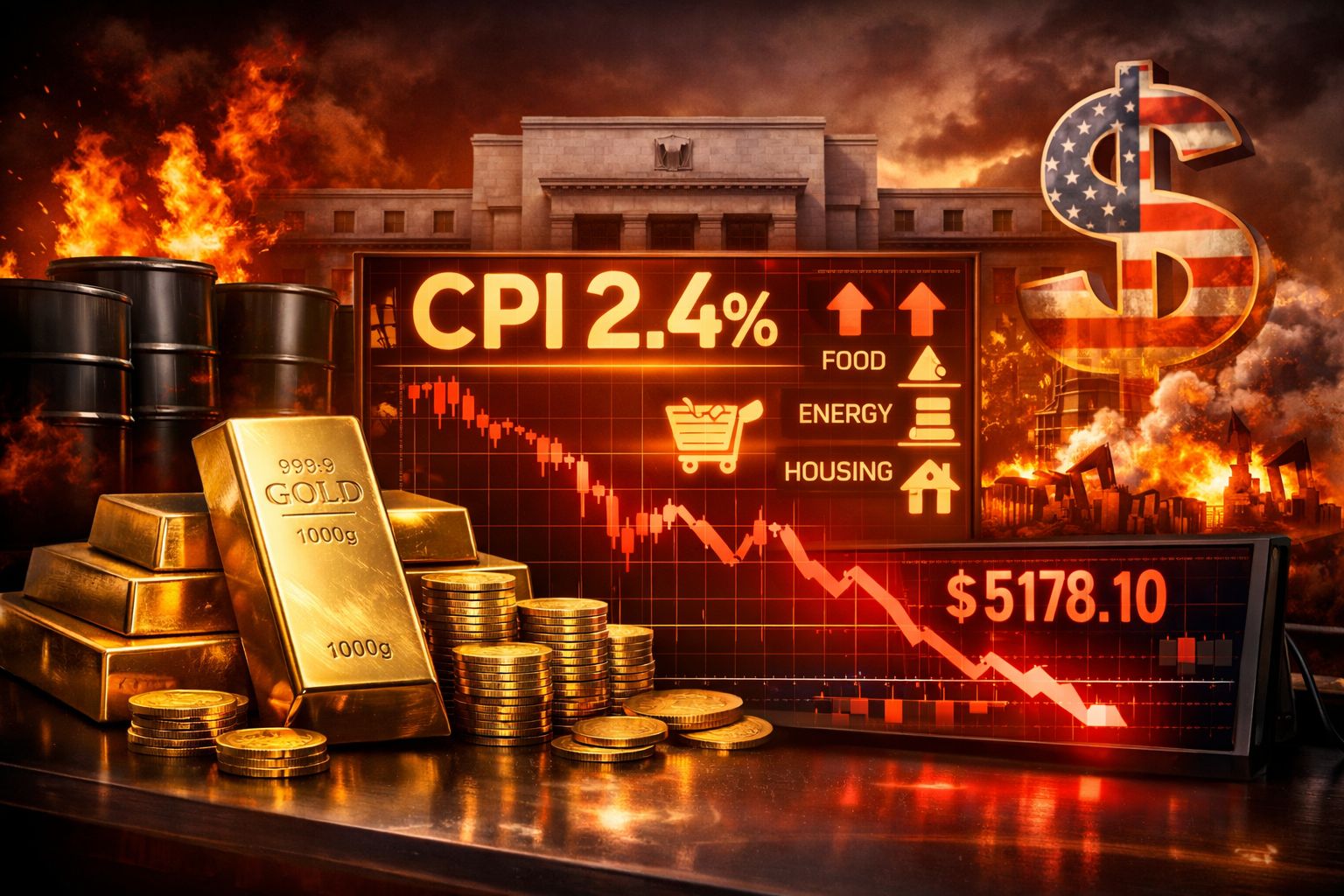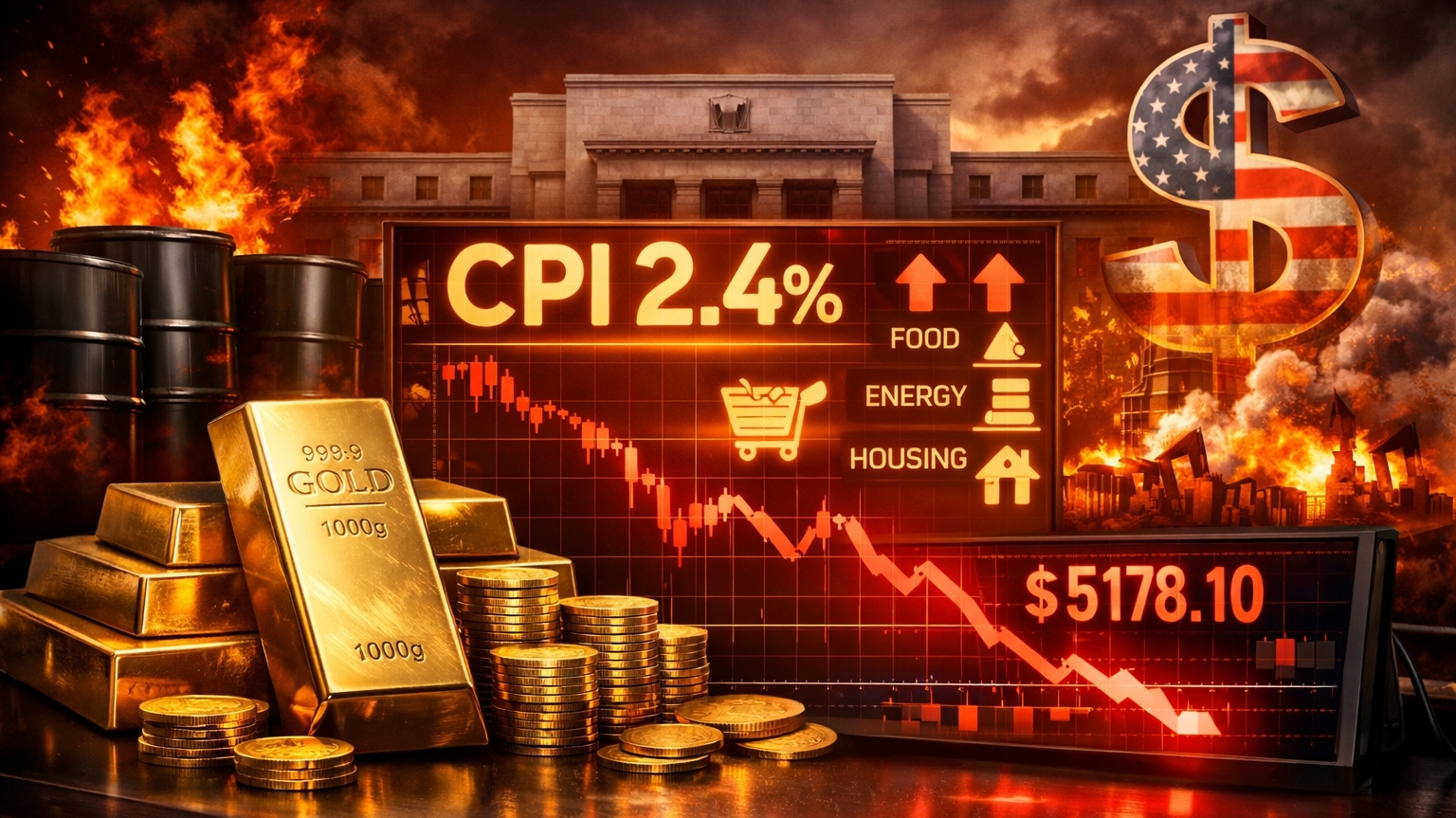
The gold market is feeling the heat today, and if you’ve been watching the charts, you know exactly why. The latest U.S. Consumer Price Index (CPI) numbers for February are officially out, and they’ve sent a ripple of "selling pressure" through the precious metals space. Here is the breakdown of what is happening and why it matters for your portfolio.
For months, investors have been locked in a waiting game, hoping for a sign that inflation is finally cooling off enough for the Federal Reserve to start cutting interest rates. But the numbers tell a different story. In February, the CPI rose by 0.3%, following a 0.2% bump in January. While these figures actually landed right in line with what economists expected, the "stubborn" nature of inflation is what’s really rattling nerves.
Annual inflation is currently sitting at 2.4%. On the surface, that sounds stable, but when you dig deeper, the pressure is coming from the places that hit our wallets the hardest: shelter, food, and energy. With shelter costs rising for the second month in a row and energy prices ticking up by 0.6%, the cost of living isn’t giving anyone a breather.
So, why is gold dropping? It’s all about the Federal Reserve’s next move. Gold thrives when interest rates are low, but because inflation remains above the Fed's 2% target, the experts believe the central bank will keep rates "on hold" for much longer than we hoped. High interest rates make the dollar stronger and non-yielding assets like gold less attractive in the short term. As a result, spot gold was recently seen trading around $5,178.10 an ounce, down about 0.24% on the day.
But there is a much bigger shadow looming over these financial reports: the geopolitical climate. While the CPI data is "backward-looking," investors are terrified of what comes next. The joint U.S.-Israel military operations against Iran have created massive supply chain bottlenecks, particularly in the oil market.
Many analysts, including Chris Zaccarelli of Northlight Asset Management, are warning that we haven't even seen the full impact of the war in Iran on these inflation numbers yet. If energy prices skyrocket due to the conflict, inflation could accelerate sharply, forcing the Fed to stay aggressive.
It is a tense moment for every investor. On one hand, you have the technical pressure of interest rates keeping gold prices down. On the other hand, you have the "Black Swan" events—the unpredictable chaos of war and debt—that often make gold the only safe haven left to turn to.
Are we looking at a temporary dip or a sign of a longer struggle? One thing is for sure: the road to 2% inflation is looking longer and rockier than ever before. If you’re holding gold, keep your eyes on the Middle East and your heart ready for a volatile ride. History shows that in times of uncertainty, gold eventually finds its shine again, but for today, the "selling pressure" is the name of the game.
#BinanceTGEUP #UseAIforCryptoTrading #OilPricesSlide #CFTCChairCryptoPlan $XRP $SUI $ROBO