
A sharp message has just come out of Iran, and it’s raising concerns about what could happen next in one of the world’s most critical shipping lanes.
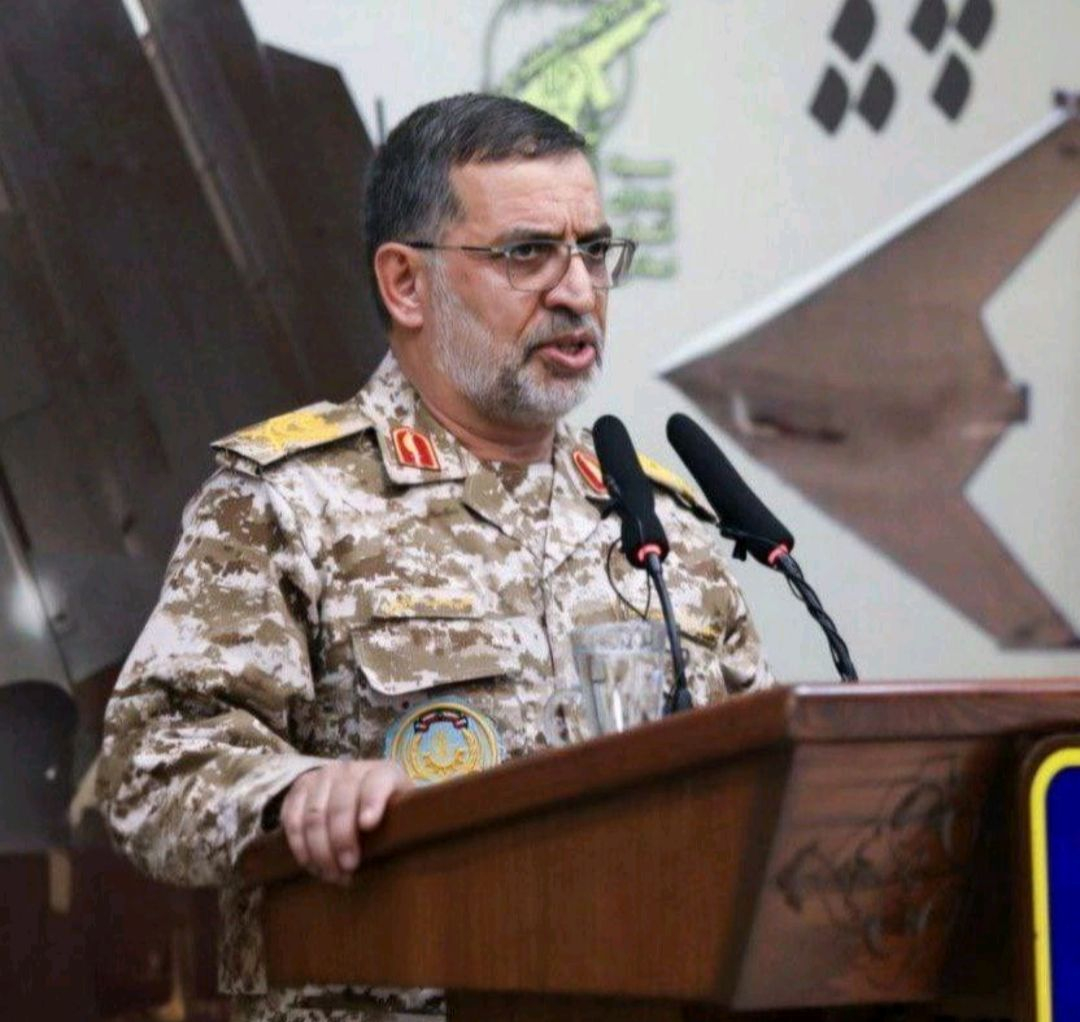
A spokesperson for Iran’s Islamic Revolutionary Guard Corps (IRGC) reacted to reports that the United States may send its Navy to escort oil tankers through the Strait of Hormuz. Instead of criticizing the idea outright, the response sounded more like a challenge than a welcome.
Iran’s message was direct: if American warships enter the strait to protect tankers, they are ready and waiting to see how the situation unfolds.
The tone carried a clear warning. The Strait of Hormuz is a narrow but extremely important waterway, responsible for transporting roughly one-fifth of the world’s oil. With tensions already rising in the region, even a small confrontation there could disrupt global energy supplies and shake financial markets.
Iran also pointed to history. During the “Tanker War” phase of the Iran-Iraq conflict in the late 1980s, the United States escorted commercial vessels through the same waters. At one point in 1987, a tanker under U.S. protection struck an Iranian mine — a reminder of how quickly incidents in the strait can escalate.
The message from Tehran suggests that if U.S. naval escorts begin operating in Hormuz again, the risk of confrontation could increase sharply.
For now, the situation remains tense but uncertain. With such a large share of the world’s oil moving through that narrow corridor, any spark in the Strait of Hormuz would be felt far beyond the region.
And at this moment, global markets and governments alike are closely watching every movement at sea. 🌍⚓