

Robotics has come a long way lately, both in labs and out in the real world. But if you look under the hood, the software and coordination systems running these machines are still mostly locked down. Each company keeps its own stuff private, and that makes everything feel a bit stuck and disconnected.
Fabric Protocol wants to change all that. It’s aiming to build an open network where robots, people, and developers can actually work together—decentralized, transparent, and without a single company calling the shots.
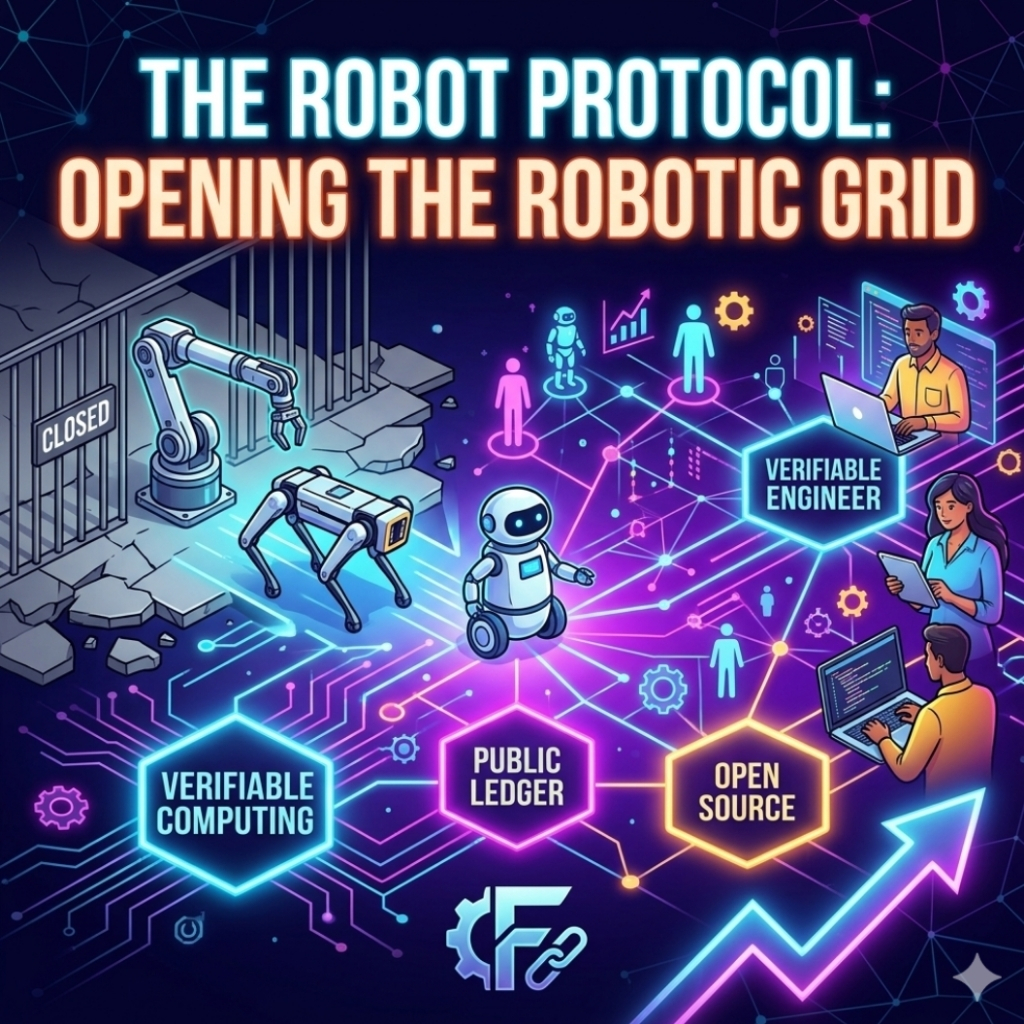
The current problem in robotics Right now, the world of robotics is pretty scattered. Every manufacturer builds their own closed systems, and they hardly ever play nice with others. Centralized control means only a handful of folks get to add new features, data isn’t shared freely, and trust is always a bit shaky.
For independent developers, startups, or even big companies, these walls are a real pain—closed APIs, no shared standards, and messy, hidden ways that different machines try (and often fail) to work together. When robots and humans need to interact, all these roadblocks slow things down and create a lot of uncertainty.
How Fabric Protocol Works Fabric Protocol tries to fix these problems with three main ideas:
Decentralized Infrastructure: Instead of one boss in charge, Fabric imagines a whole network where all kinds of agents—robots, software, whatever—can share what they’re doing, coordinate jobs, and sort out results together. No single point of failure, and everything’s designed to work together.
Verifiable Computing: Trust is a big deal, so Fabric builds in ways for everyone to check each other’s work. Think cryptographic proofs that a robot really did its job right, or that shared info is actually correct. No more taking things on faith.
Public Ledger Coordination: Everything gets tracked on a shared ledger. This acts as the official record of resources, promises, and interactions. It’s all out in the open, which makes it a lot easier to audit what happened or settle disputes.
With these pieces in place, robots can not only talk to each other, but also connect with developers and end users. Everyone knows where things came from and who did what.
Role of the Fabric Foundation
To keep all this open and fair, there’s a non-profit foundation backing it. The foundation handles research, sets the rules, and looks after the long-term health of the project. By keeping governance separate from business interests, they make sure the community has a real say in how things move forward.
Why Open Robotics Matters
Opening things up drops a lot of barriers. Developers everywhere can jump in, share ideas, and build on each other’s work. Companies and researchers can work together without giving away their secret sauce, but still get the benefits of shared tools and infrastructure.
Future Implications
If this works, it’s a whole new way for people and machines to work together—whether it’s in factories or out in public spaces with service robots. Instead of getting locked into one vendor’s closed world, we could see these ecosystems grow and adapt much more naturally, with transparency and trust at the center.
Projects like Fabric Protocol show where things are heading: away from closed, top-down control, and toward networks where collaboration and accountability are built in. As robots become an everyday part of life, open frameworks like this could end up being the backbone of a more resilient, fair, and human-centered future.
#ROBO $ROBO @Fabric Foundation
