


When I first started reading about Fabric Foundation, most explanations focused on robots and automation. At first glance it looked like another attempt to connect robotics with blockchain infrastructure.
But the more I looked into the architecture, the more it seemed that Fabric is actually addressing a deeper issue: how we verify machine activity in decentralized systems.
In traditional automation environments, verification is simple because the system is centralized. A company owns the robots, controls the software, and records the results. If a machine completes a task, the platform simply confirms that it happened.
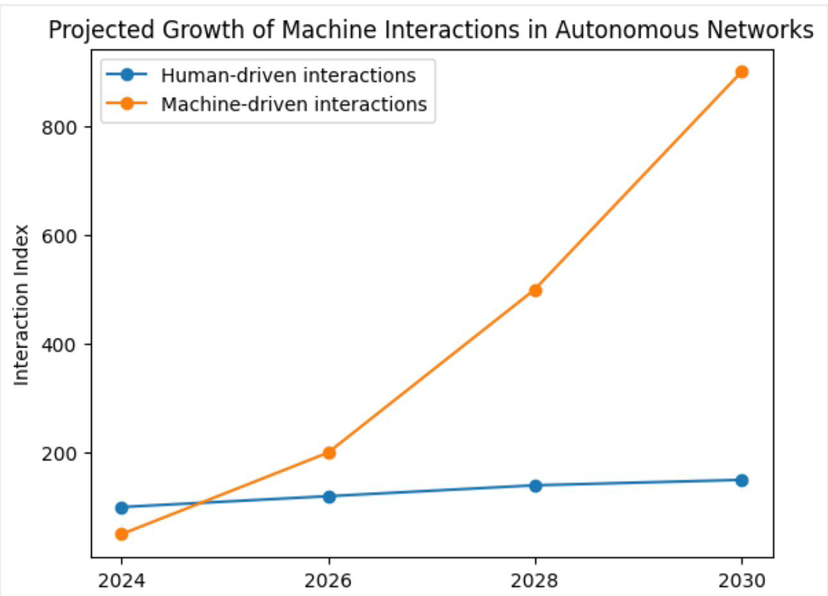
However, decentralized systems change that assumption.
If robots or autonomous machines begin interacting across open networks, there must be a way to confirm that tasks were actually performed and that the results are legitimate. Without that verification layer, decentralized automation markets would quickly become unreliable.
That is the trust problem Fabric appears to be tackling.
Why Verification Matters in Autonomous Systems
Machines performing tasks in real-world environments generate outcomes that must be trusted by other participants in the network.
For example, a robot delivering goods, inspecting infrastructure, or performing industrial operations may trigger economic transactions once the task is completed. But in an open network, other participants cannot simply assume the result is valid.
They need a way to verify it.
In centralized platforms, verification happens internally. In decentralized environments, verification must become part of the protocol itself.
This is where Fabric’s infrastructure becomes relevant.
Fabric’s Role in Verifiable Machine Activity
From what I observe, Fabric’s design focuses on creating a system where machine activity can be recorded and verified through blockchain infrastructure.
Instead of relying on a single authority to confirm outcomes, automation networks can reference shared verification mechanisms embedded within the protocol.
This allows machines, developers, and service providers to interact within an environment where task completion, participation rules, and economic activity can be transparently validated.
In practice, this means that when machines perform actions in a decentralized network, the system itself can determine whether the conditions for that action were satisfied.
Why This Changes the Automation Model
What makes this approach interesting is that it shifts the foundation of automation systems.
Instead of trust being derived from the organization operating the robots, trust can emerge from verifiable computation and shared infrastructure.
That difference becomes important when automation networks expand across multiple participants who may not know or trust each other.
Developers, operators, and machines can interact through protocols rather than relying on centralized intermediaries.
The Broader Context of Machine Economies
The idea of machine economies often focuses on robots performing tasks and generating value.
But the underlying infrastructure that makes those economies possible depends on something more fundamental: verifiable outcomes.
Without reliable verification mechanisms, decentralized automation networks cannot function at scale.
Fabric’s approach suggests that solving the trust layer of machine activity may be just as important as advancing robotics hardware or artificial intelligence models.
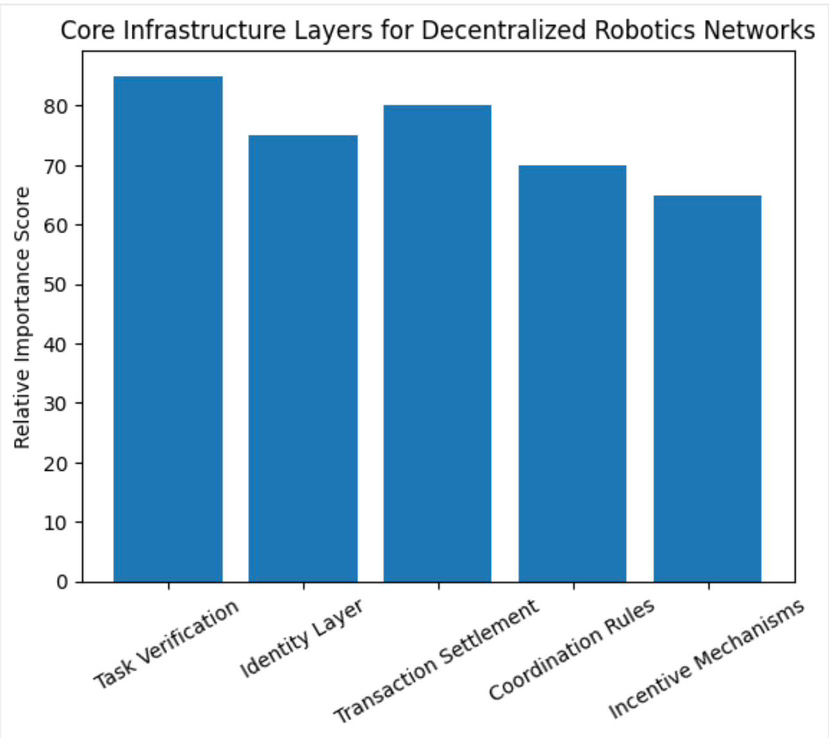
Final Thought
Automation technology is advancing quickly, but decentralized machine ecosystems require more than capable robots.
They require systems that can confirm actions, verify results, and allow participants to trust the outcomes without relying on a single authority.
Fabric Foundation appears to be exploring how blockchain infrastructure can provide that verification layer.
If decentralized robotics networks continue to develop, the ability to verify machine activity may become one of the most important components of the entire ecosystem.
If robots eventually perform tasks across decentralized networks, what will matter more for trust in those systems:
advanced AI capabilities or verifiable proof that tasks actually happened?