
We are entering a phase where digital agents can negotiate agreements, transfer value, and execute complex instructions within seconds. The efficiency is undeniable. Entire workflows that once required teams and paperwork can now happen automatically. But as automation accelerates, one question becomes more important than speed: how do we verify that what’s being executed is actually correct? Without built-in proof, automation at scale can introduce invisible risk.
Speed Without Proof Is Fragile
Automation is powerful, but it is not immune to error. When systems execute financial transactions or contractual logic, even small mistakes can have large consequences. If outputs are accepted without independent checks, a single flawed result can trigger irreversible actions.
Relying on one source of truth creates a bottleneck and a vulnerability. There is no structured accountability, no economic consequence for inaccuracy, and no mechanism to independently confirm results before they are finalized. As digital economies grow more complex, this fragility becomes harder to ignore.
Introducing Decentralized Verification
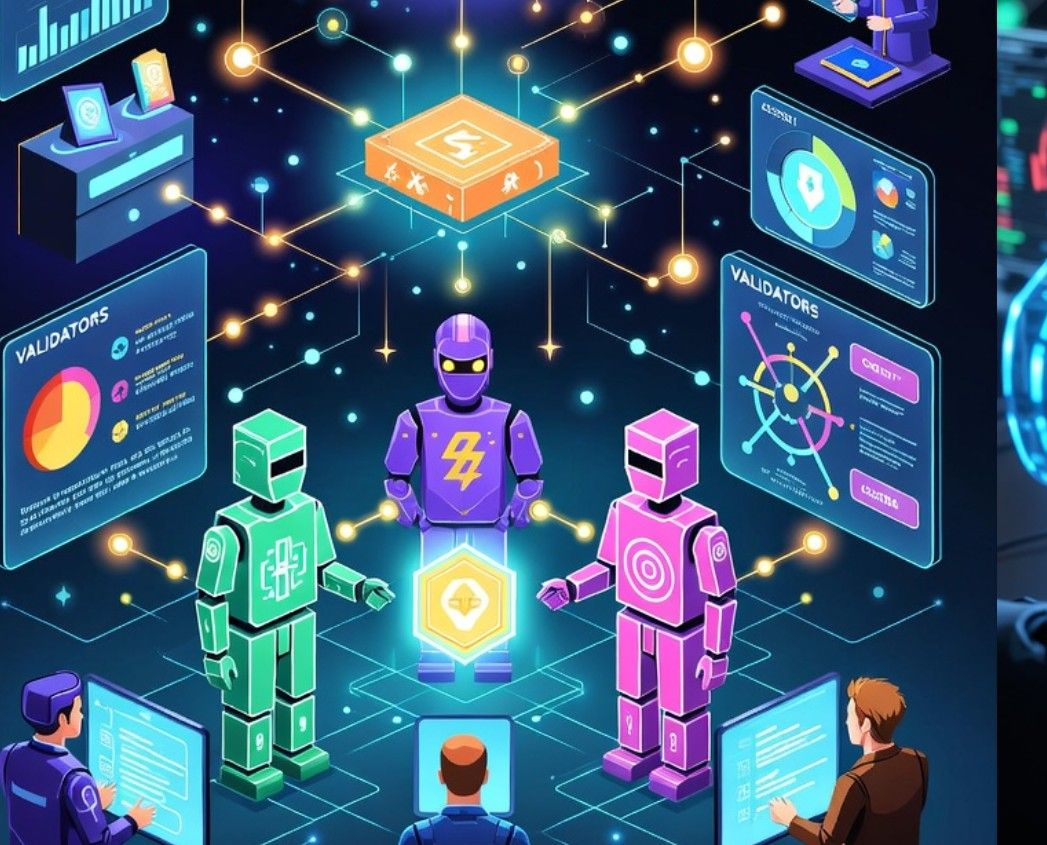
This is the gap @Mira - Trust Layer of AI is addressing. Instead of assuming results are valid by default, $MIRA supports a decentralized verification layer where outputs are independently reviewed before execution. Multiple validators assess whether conditions have been met, ensuring actions are backed by proof rather than assumption.
By separating execution from verification, the system reduces blind trust. Validation becomes economically aligned participants are incentivized to confirm accuracy and discouraged from approving incorrect results. In this structure, correctness is not based on reputation alone but on measurable accountability.
From Tools to Infrastructure
For autonomous systems to operate globally, they need reliability embedded at the protocol level. Human supervision cannot scale indefinitely, especially when transactions and decisions happen continuously across networks.
A verification layer changes the dynamic. Agreements can settle automatically, funds can move programmatically, and processes can complete without constant oversight because independent proof exists within the system itself. This transforms automation from a convenient tool into dependable infrastructure.
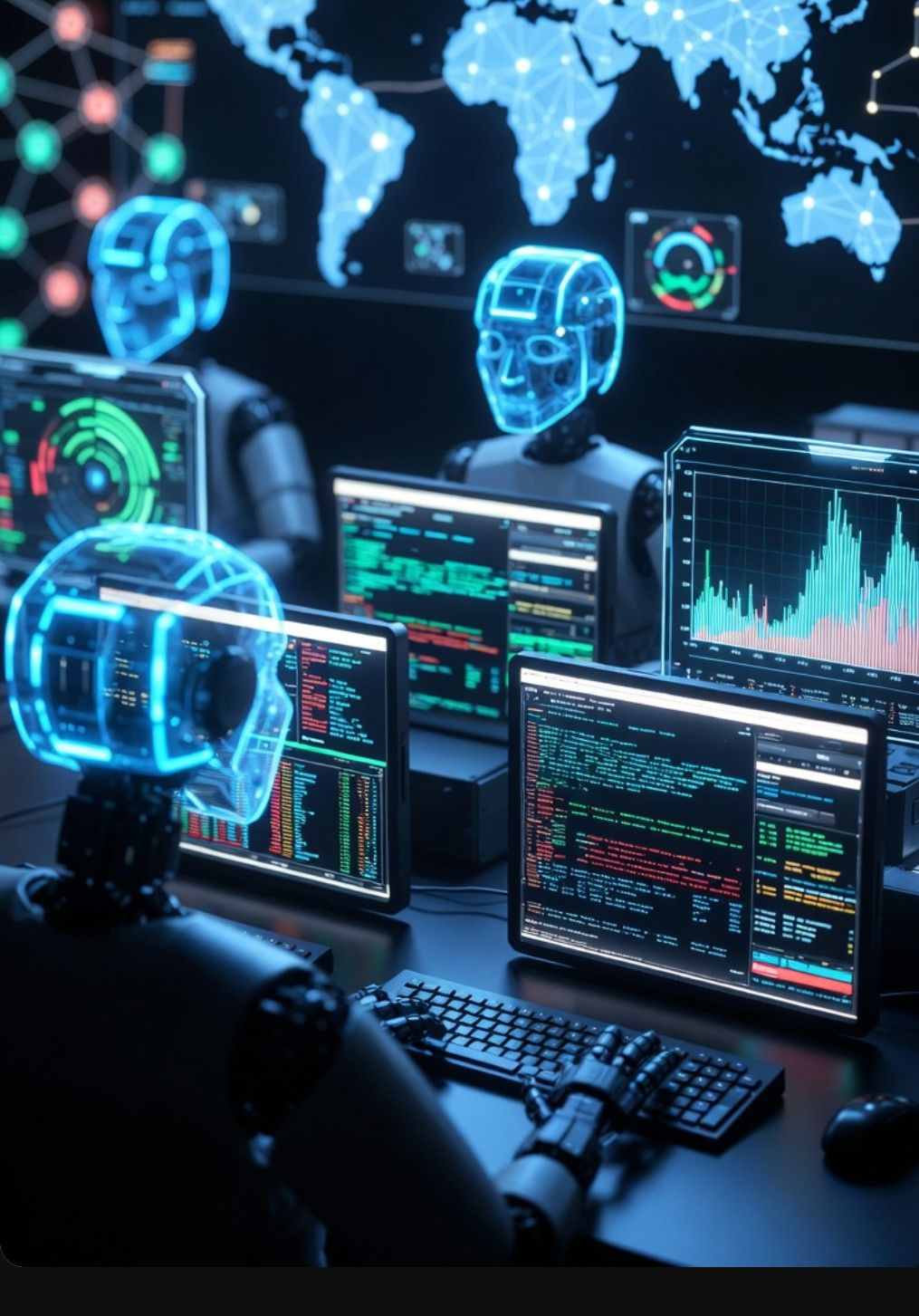
The future of digital coordination will not be defined only by how fast systems operate, but by how confidently they can execute. By building a decentralized verification layer, Mira is helping shift automation from “trust me” to “prove it.” In the long run, trust will not be an added feature it will be the structural foundation that allows autonomous economies to scale securely.
#Mira