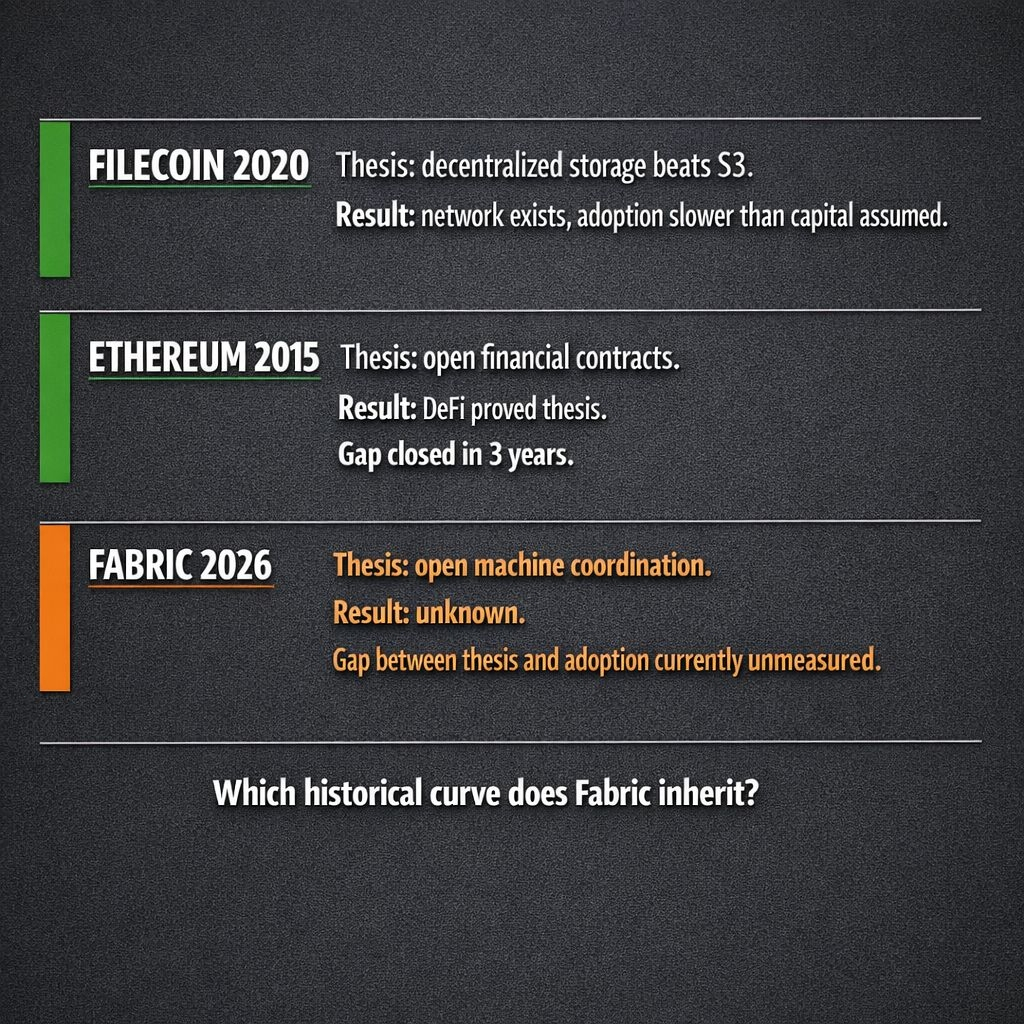
Fabric is not making a new argument. its making a familiar one in an unfamiliar context.
The claim that open shared infrastructure outperforms closed proprietary systems over time has been the central thesis of every significant crypto protocol since 2015. Ethereum argued it for financial contracts. Polkadot argued it for cross-chain coordination. Filecoin argued it for decentralized storage. internal logic is consistent across all three. empirical track record is mixed depending on which layer and which time horizon you examine.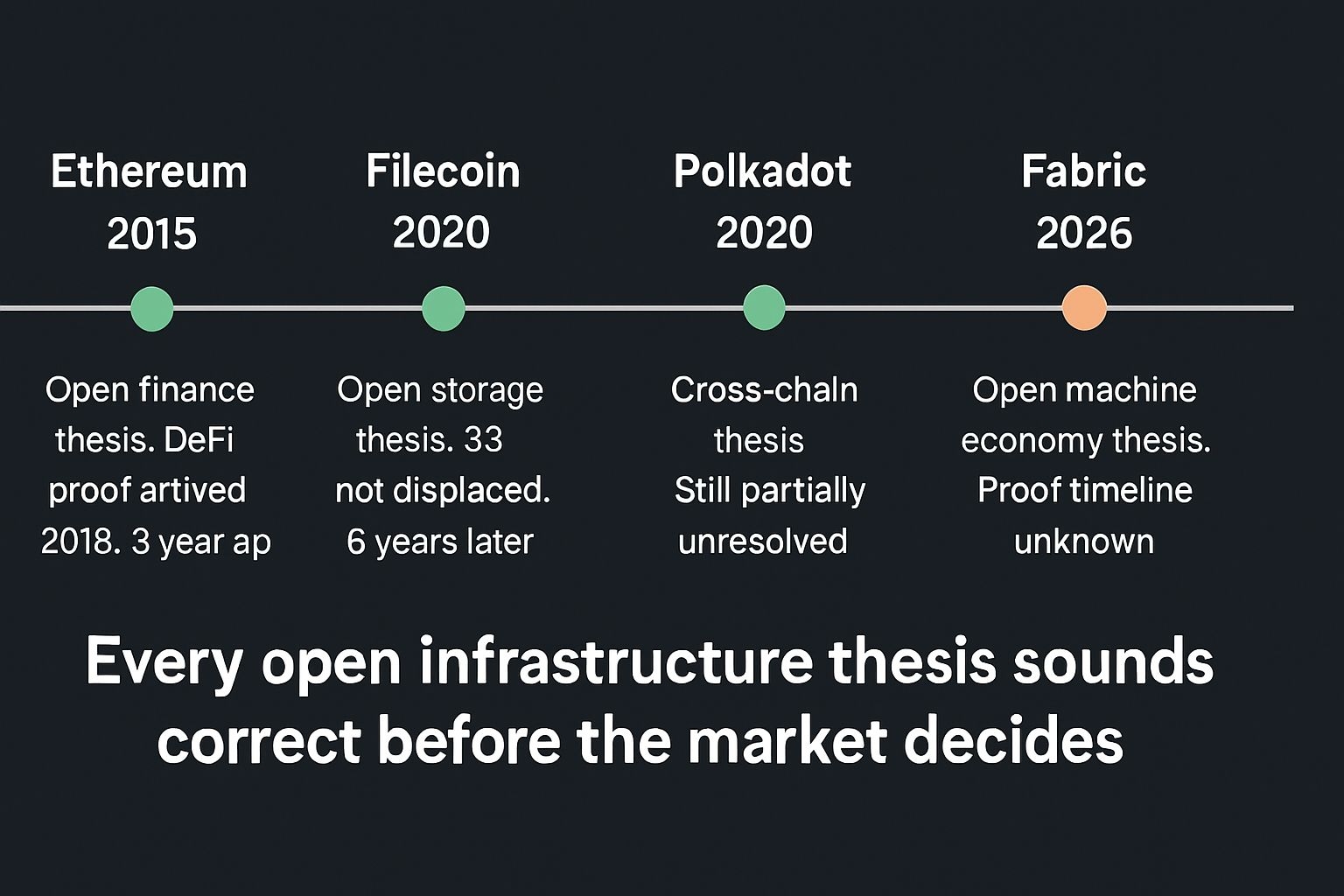
What makes Fabric's version worth analyzing separately is the domain.
machine economies have a different structure than financial contracts or data storage. robots operating in physical environments generate coordination problems that software-native systems have never encountered at scale. verification challenges are different. latency tolerances are different. trust requirements don't map cleanly onto what Ethereum or Filecoin had to solve.
That distinction cuts both ways.
Fabric cannot simply inherit credibility from previous open infrastructure successes. but if the coordination problems specific to machine economies are real and significant, existing solutions don't already cover the ground Fabric is targeting. any moat that develops would be genuine.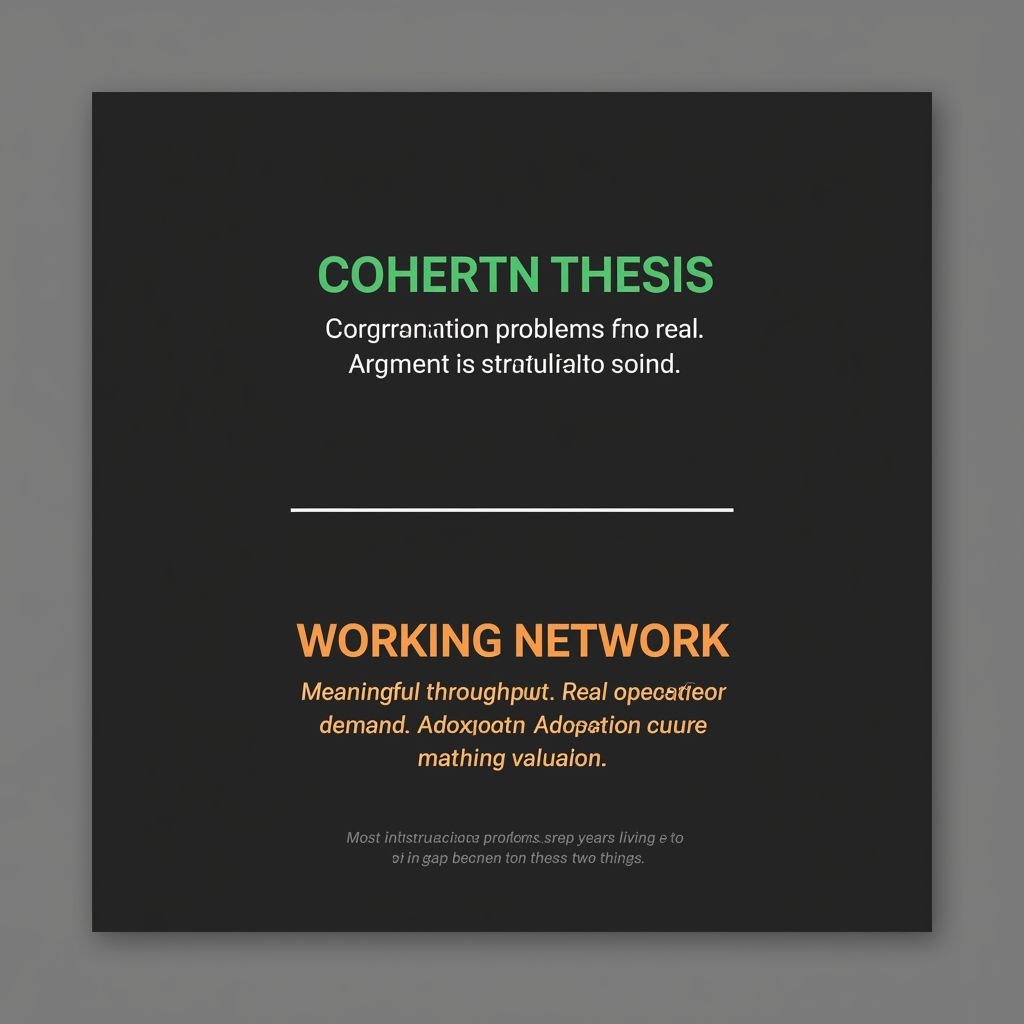
The historical comparison that sits closest here is Filecoin.
launched 2020 with a coherent thesis — decentralized storage should outperform centralized alternatives on efficiency and resilience. raised significant capital against that argument. six years later the network processes real storage demand but hasn't displaced S3 or become default infrastructure. thesis wasn't wrong. adoption curve was slower and more friction-filled than the capital structure assumed.
Fabric faces a version of that same gap.
$391 million FDV is pricing in a network that has already closed the distance between compelling argument and meaningful throughput. protocol is currently at the beginning of that journey, not the end of it.
watching:
actual operator count using the network, not just token holder count. those are different numbers and only one of them tells you if the thesis is converting into reality.