

How Markets Expose Our Emotions, Biases, and Behavior
 When I first entered crypto, I thought I was stepping into a world of technology and innovation. I was focused on blockchains, wallets, charts, and tokens. I believed that if I learned enough about how these systems worked, success would naturally follow. But after spending years watching markets rise and fall, projects explode and disappear, and communities build and break, I realized something important. Crypto doesn’t just teach you about finance. It teaches you about people.
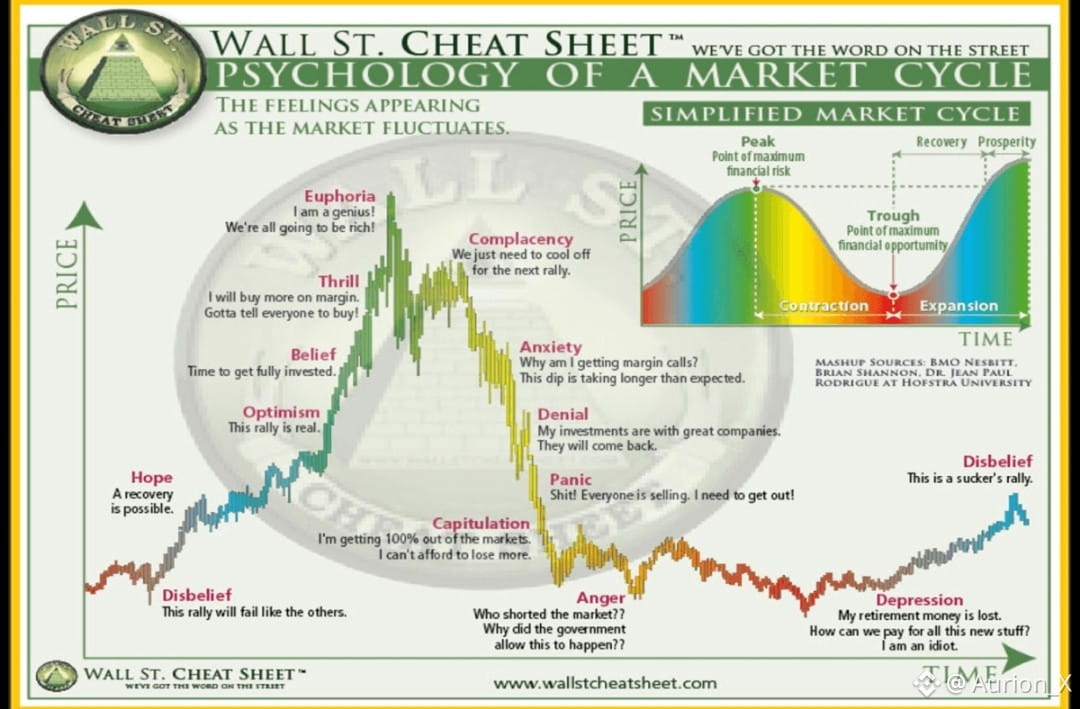
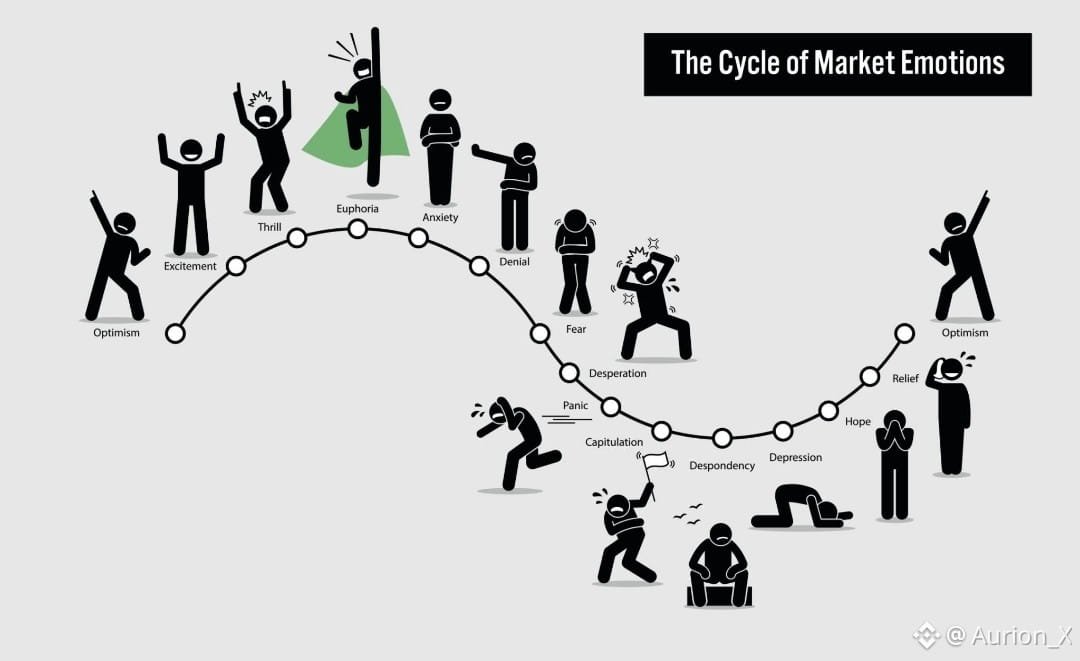
Every market cycle feels like a real-time experiment in human psychology. During bear markets, when prices are low and opportunities are everywhere, fear dominates. People hesitate, wait for “confirmation,” and convince themselves that buying later is safer. They say they will invest when things look better, without realizing that “looking better” usually means “already expensive.” Then the market starts rising. Fear slowly turns into excitement. Excitement turns into confidence. And confidence turns into greed. Suddenly, everyone is bullish. Everyone becomes a long-term believer. Everyone feels smart.
When prices reach extreme levels, logic quietly disappears. People stop asking difficult questions. They stop analyzing risks. They stop thinking about downside. Instead, they look for reasons why prices “must go higher.” Social media becomes an echo chamber of optimism. Any negative opinion is ignored or attacked. In those moments, it becomes clear that most people are not making decisions based on data. They are reacting to emotions.
When the market finally turns, the same emotions reverse. Confidence becomes doubt. Doubt becomes panic. Panic becomes regret. People sell not because fundamentals changed, but because fear took over. Many of the same individuals who were extremely bullish at the top become extremely pessimistic at the bottom. Crypto makes this cycle visible again and again, showing how fragile human confidence really is.
Crypto also reveals how deeply people depend on crowds. Most investors like to believe they are independent thinkers, but behavior tells a different story. When nobody is talking about a project, very few people care. When influencers, analysts, and large accounts start promoting it, suddenly interest explodes. The same asset that was ignored for months becomes “the next big thing” overnight. This isn’t coincidence. It’s social psychology at work.
Being alone in a decision feels uncomfortable. Buying when nobody else is buying feels risky. Selling when everyone is optimistic feels lonely. So most people wait for validation from others. They enter when the crowd enters. They exit when the crowd exits. Crypto shows clearly that markets are not driven only by information. They are driven by collective emotion.
Another powerful lesson is how hope often overrides evidence. Many investors hold weak or dead projects for years simply because they believe in the possibility of recovery. Even when development stops, users disappear, and funding dries up, they continue holding. Not because the project deserves it, but because accepting a loss is emotionally painful. Hope feels better than admitting a mistake. Crypto teaches that humans are not good at letting go. We prefer comforting stories over uncomfortable truths.
It also becomes clear how much people trust confidence over competence. Some founders and influencers can attract massive attention with nothing but strong communication and bold promises. Meanwhile, technically strong teams sometimes struggle because they cannot market themselves. Humans are wired to follow storytellers. We respond to vision, charisma, and certainty. Crypto exposes how easily this instinct can be manipulated.
Why Self-Awareness Is the Real Edge in Digital Finance
 Over time, crypto stops being just about charts and becomes a mirror. It reflects your strengths, weaknesses, fears, and habits. You start noticing patterns in your own behavior. Why did I buy at that moment? Why did I ignore risk? Why did I sell too early? Why did I chase hype? These questions become more important than any technical indicator.
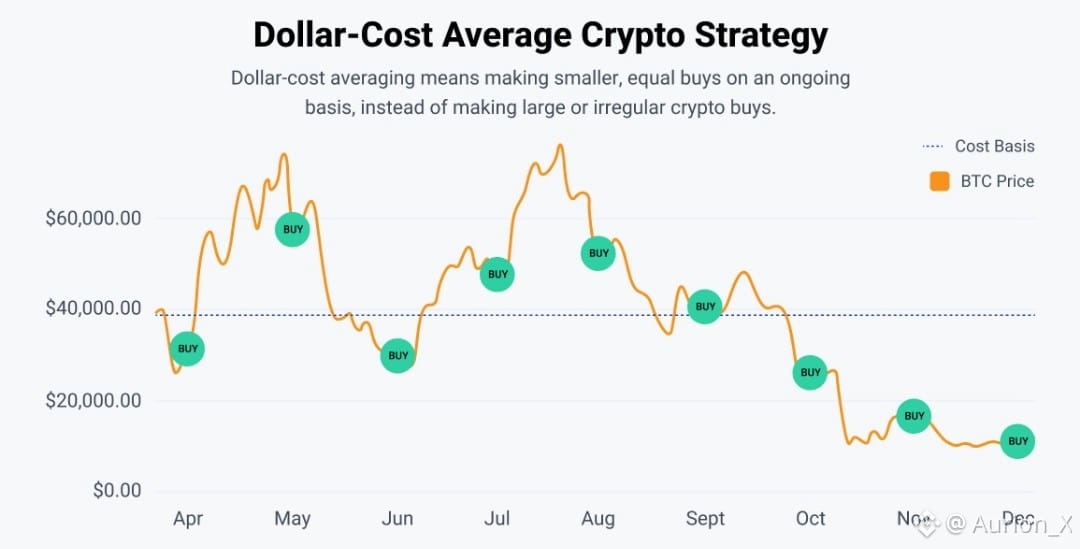
One of the most valuable lessons crypto teaches is the importance of patience. The biggest long-term winners are rarely the loudest. They don’t chase every trend. They don’t react to every headline. They accumulate slowly, manage risk carefully, and wait for high-probability opportunities. In a market obsessed with speed and excitement, patience becomes a rare advantage.
Crypto also shows how money reveals character. In high-pressure situations, people’s true values emerge. Some remain humble after success. Others become arrogant. Some help newcomers. Others exploit them. Some take responsibility for mistakes. Others blame everyone else. Volatility and uncertainty remove masks. They show who people really are.
Another deep lesson is how strongly ego influences decision-making. After winning trades, people often believe they are highly skilled. After losing trades, they blame manipulation or bad luck. Few are willing to admit that they were wrong. Ego protects self-image, even at the cost of growth. Crypto teaches that learning requires humility. Without it, mistakes repeat.
Fear of missing out is another powerful force that becomes obvious in crypto. When others are making money, your brain feels threatened. It tells you that you are falling behind. This creates pressure to act quickly, often without proper analysis. Many bad decisions are made not because of poor information, but because of emotional urgency. Understanding this helps you step back and think more clearly.
Self-custody and decentralization also teach responsibility. In crypto, there is often no customer support to reverse mistakes. If you lose private keys, send funds to the wrong address, or fall for a scam, the loss is usually permanent. At first, this feels intimidating. Over time, it builds discipline. Crypto shows that freedom without responsibility leads to chaos. Real independence requires careful behavior.
Perhaps the most important lesson is that self-reflection is the real edge. Markets change. Narratives change. Technologies evolve. But human psychology stays largely the same. Those who study their own behavior, manage their emotions, and improve their decision-making process gain a lasting advantage. They stop reacting and start responding.
I came to crypto looking for profits. Over time, I found something more valuable: perspective. It taught me how fear spreads, how greed blinds, how crowds think, how ego lies, and how patience pays. It showed me that success is not just about picking the right assets. It is about becoming the right kind of person to handle uncertainty, risk, and opportunity.
In the end, crypto is more than a financial system. It is a mirror. It reflects who you are when money, pressure, and uncertainty are present. If you are willing to look honestly, it can help you grow not only as an investor, but as a human being.