


SIGN is something I’ve been circling back to more often than I expected. Not because it’s loud or constantly in front of me, but because it touches a part of crypto that never really settles—this uneasy space between proving something about yourself and being rewarded for it.
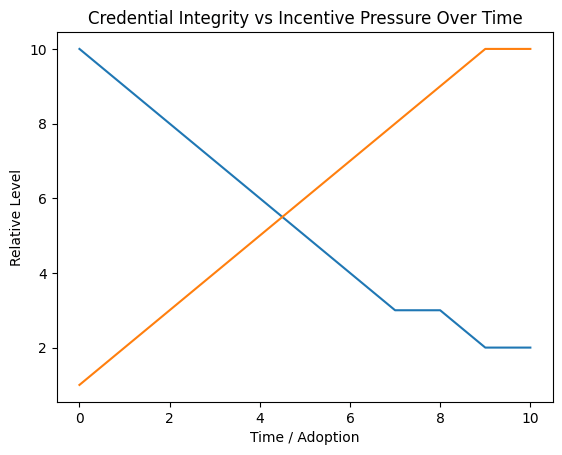
I’ve been watching how these kinds of systems behave over time. At first, they always feel clean. A credential means something. It reflects participation, contribution, maybe even trust. But then incentives slowly enter the picture, and the meaning begins to shift. Not dramatically, not all at once—just enough that you start to wonder whether the signal is still pointing to anything real.
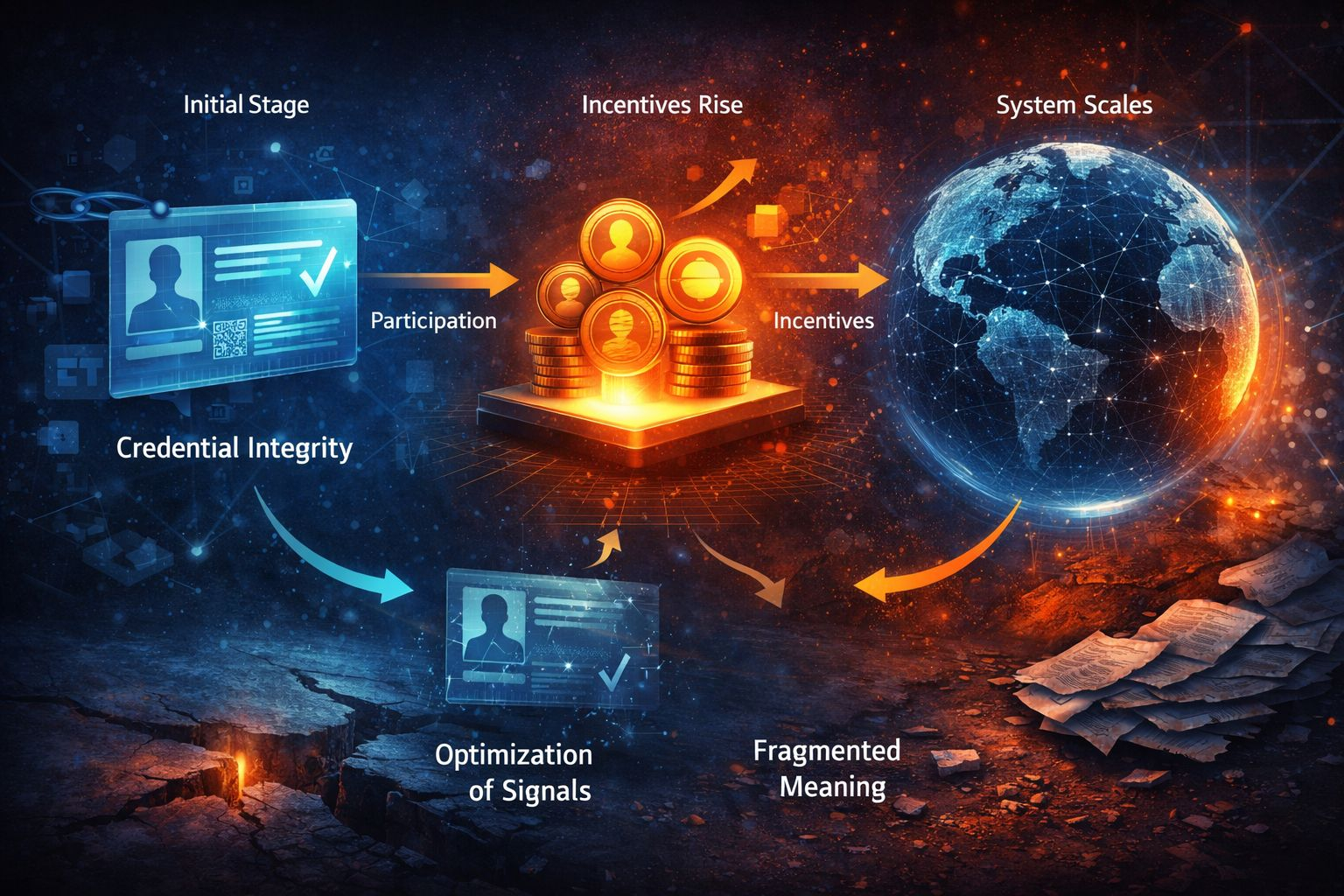
With SIGN, the idea seems simple on the surface: create a way to issue and verify credentials, then use those signals when distributing tokens or access. But simplicity in crypto rarely stays simple once people start interacting with it. The moment value is attached, behavior changes. It always does.
I keep thinking about how credentials stop being passive records once they’re tied to rewards. They become goals. People don’t just earn them—they pursue them. And when that happens, the system starts to reveal its weak points. Not because people are trying to break it, but because they’re trying to understand it well enough to benefit from it.
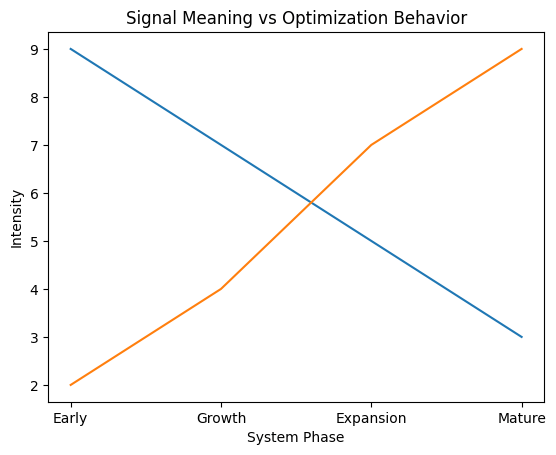
There’s something quietly fragile in that transition. A credential that once represented effort can slowly turn into something that’s optimized for. Participation becomes strategic. Reputation becomes something you can, at least partially, construct. And the more visible the rewards are, the faster that shift happens.
SIGN doesn’t feel unaware of this. If anything, it feels like it’s built with the expectation that these pressures will exist. But awareness doesn’t necessarily solve the problem—it just means the system might bend instead of snap.
What I find myself wondering is where the meaning of a credential actually lives. Is it in the data itself, recorded neatly on-chain? Or is it in the context around it—the people issuing it, the communities recognizing it, the unspoken understanding of what it represents? Because if it’s the latter, then translating that into a global system becomes much harder than it sounds.
Crypto often leans toward standardization. It wants things to be portable, comparable, easy to verify across different environments. But human signals don’t always behave that way. What counts as meaningful participation in one space might look insignificant in another. And yet, systems like SIGN are trying to create a layer where these signals can travel.
I’m not sure that tension ever fully resolves.
Then there’s the distribution side, which is where things usually get complicated. Deciding who gets what, and why, is one of those problems that seems technical at first but quickly turns social. Even if the rules are transparent, people interpret them differently. Fairness becomes subjective, and once that happens, trust starts to depend less on the system itself and more on how people feel about its outcomes.
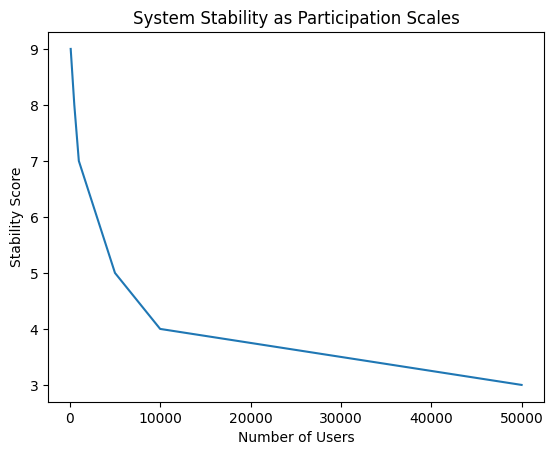
I’ve seen this before—systems that look neutral until they’re used at scale. Early on, everything feels aligned. Participants share similar expectations, and the signals make sense within a small group. But as more people enter, the edges start to blur. New behaviors appear. Shortcuts get discovered. What once felt like a clear reflection of contribution becomes harder to read.
SIGN sits right in that path. It’s not just recording activity; it’s feeding into decisions that have consequences. And that’s where systems tend to either mature or quietly lose their coherence.
Another thing I can’t ignore is the role of issuers. Credentials don’t exist without someone granting them. Over time, certain issuers will likely become more influential than others, whether that’s intentional or not. Their signals will carry more weight, and people will start to orient themselves around that.
It doesn’t necessarily break the system, but it changes its shape. What begins as open infrastructure can slowly develop centers of gravity. And once those form, they’re hard to dissolve.
Still, there’s something about SIGN that keeps it from feeling purely idealistic. Maybe it’s the way it leans into infrastructure rather than narrative. It doesn’t promise to define truth—it just tries to create a way for signals to exist and be used. Whether those signals remain meaningful is left to the people interacting with them.

And maybe that’s the real question underneath all of this. Not whether the system is designed well, but whether the behavior it encourages leads to something that still resembles what it set out to capture.
I don’t think that answer appears quickly. It usually takes time—long enough for incentives to settle in, for patterns to repeat, for people to stop treating the system as new and start treating it as something to navigate.
So I find myself watching in a quieter way. Not looking for big moments, but for small shifts. How people talk about their credentials. How they react to distributions. Whether the system feels like a reflection of participation or just another layer to optimize against.
Because in the end, that’s where these things tend to reveal themselves—not in what they claim to be, but in how people actually use them once there’s something real at stake.