
Bitcoin’s journey is not just a story of price appreciation—it’s a story of monetary evolution, market cycles, belief, fear, and long-term conviction. What began as a small experiment among cryptography enthusiasts has grown into one of the most disruptive financial assets in history.
2009: The Beginning
Bitcoin was launched by the anonymous creator Satoshi Nakamoto, who mined the first block, known as the Genesis Block. At the time, Bitcoin had no price, no exchanges, and no real audience. It was mined on personal computers purely out of curiosity. No one imagined it would one day challenge the global financial system.

2010: The First Transaction
Bitcoin’s first real-world transaction took place when 10,000 BTC were used to buy two pizzas—a moment that would later become legendary. By the end of the year, Bitcoin traded near $0.30, marking the beginning of its market value.

2011: The First Boom and Bust
Bitcoin experienced its first major speculative surge, rising from $0.30 to $32, delivering gains of over 10,000%. The rally was followed by a sharp crash back to around $2, introducing the world to Bitcoin’s extreme volatility.
2013: Bitcoin Goes Mainstream
In 2013, Bitcoin entered global awareness. The price climbed from $13 to $1,151, crossing $1,000 for the first time. The Cyprus banking crisis played a key role, as capital controls pushed people toward Bitcoin as an alternative to traditional banking.
2017: Peak Hype
Bitcoin captured mainstream attention in 2017. Fueled by the ICO boom, media hype, and retail FOMO, BTC surged from about $1,000 to nearly $19,800.
This was followed by the 2018 bear market, where Bitcoin lost nearly 80% of its value, bottoming around $3,200.
2020–2021: Institutional Adoption
The COVID-19 market crash briefly pushed Bitcoin down to $3,800, but the recovery that followed changed everything. Massive stimulus, inflation concerns, and growing legitimacy brought institutions into the space.

Companies like MicroStrategy and Tesla added Bitcoin to their balance sheets, and Bitcoin reached a new all-time high of $69,000 in November 2021.
2022: Market Reset
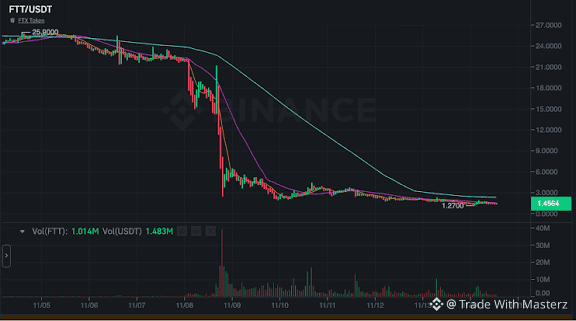
Excess leverage and major failures—including the Luna collapse and FTX bankruptcy—triggered one of the harshest bear markets in crypto history. Bitcoin fell to around $16,000, clearing speculative excess and resetting the market.
2023–2024: Recovery and Validation
Bitcoin began recovering as confidence slowly returned. A major milestone came in January 2024 with the approval of U.S. spot Bitcoin ETFs, allowing broader institutional participation.

Bitcoin reached a new all-time high above $73,000 in March 2024, followed by the April 2024 halving, which reduced new supply and strengthened the scarcity narrative.
2025–2026: The Digital Gold Phase
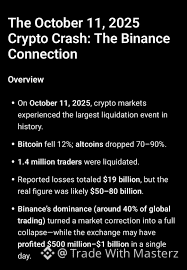
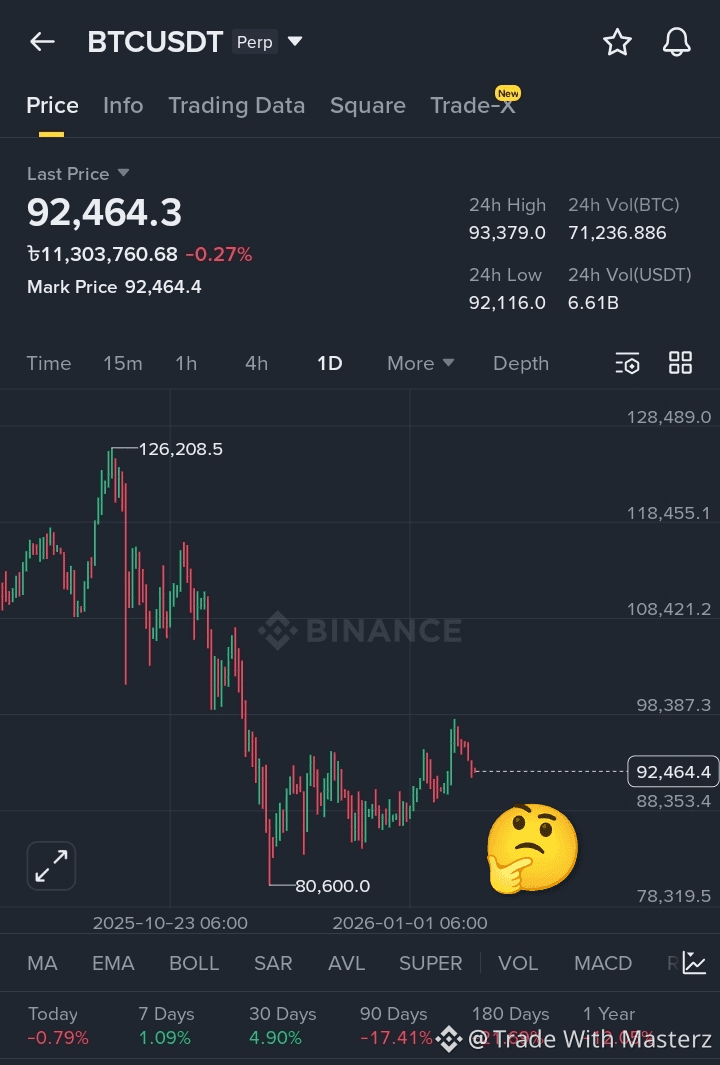
Post-halving momentum pushed Bitcoin beyond previous highs multiple times. Institutional adoption accelerated, with firms like BlackRock and Fidelity, along with some nation-states, accumulating BTC.
Bitcoin is now widely viewed as digital gold—a scarce, decentralized asset with a fixed supply of 21 million coins, increasingly used as a hedge against fiat currency debasement.
Why Bitcoin Moves in Cycles
Bitcoin’s explosive growth follows a clear pattern:
Halving events every ~4 years reduce new supply
Reduced supply meets growing demand
Price rallies attract attention and FOMO
Excess leverage builds
Corrections reset the market
Each cycle establishes a higher long-term base
Early adopters didn’t win by timing markets—they won by understanding cycles and holding through volatility.
Final Thoughts
Bitcoin has been declared dead countless times, yet it continues to recover stronger after every cycle. Its history proves one thing:
Bitcoin doesn’t reward emotion—it rewards patience, conviction, and long-term vision.
From an internet experiment to a global financial asset, Bitcoin’s story is far from over.
