
I often sit back and wonder why everyone is so obsessed with the surface level of this artificial intelligence explosion. We are stuck in this endless cycle of comparing benchmarks and debating which corporate behemoth raised another ten billion dollars to train a slightly faster model. It is all just noise. The real conversation is about attribution and who actually deserves a seat at the table when the machine finally prints money.
I have been watching the development of Open Ledger lately and for once it feels like someone is trying to fix the plumbing instead of just painting the walls.
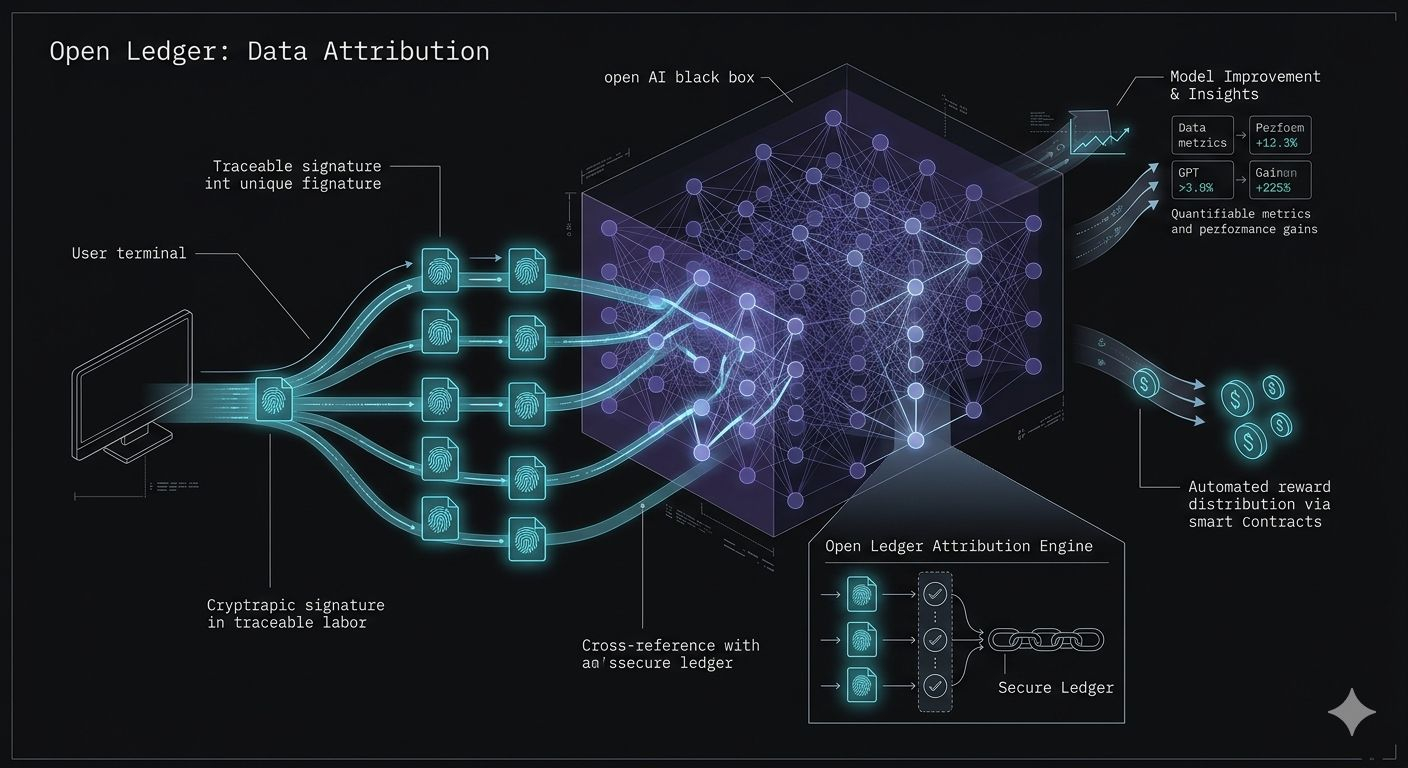
For years the industry has functioned like a digital vampire. These systems suck up every ounce of human effort including our text and our domain expertise and our tedious feedback loops only to discard us the moment the model becomes commercially viable.
The system remembers the data while the economy conveniently forgets the person who created it. It is a structural imbalance that has persisted for far too long. Open Ledger is finally poking at this with their payable AI concept which feels less like a desperate marketing gimmick and more like a necessary correction to the incentive layer.
The shift from theoretical whitepapers to the actual execution on the Open Ledger mainnet changes the psychology of the entire endeavor. Data is finally being treated as traceable labor rather than just cheap fuel for a furnace. Their upgraded proof of attribution engine is particularly fascinating because it finally attempts to quantify what actually matters. If you strip away a piece of information and the model gets dumber then that contribution clearly had value. Mapping those influence chains for large language models is a massive technical headache that borders on the impossible but it is a hell of a lot better than the current status quo of total opacity.
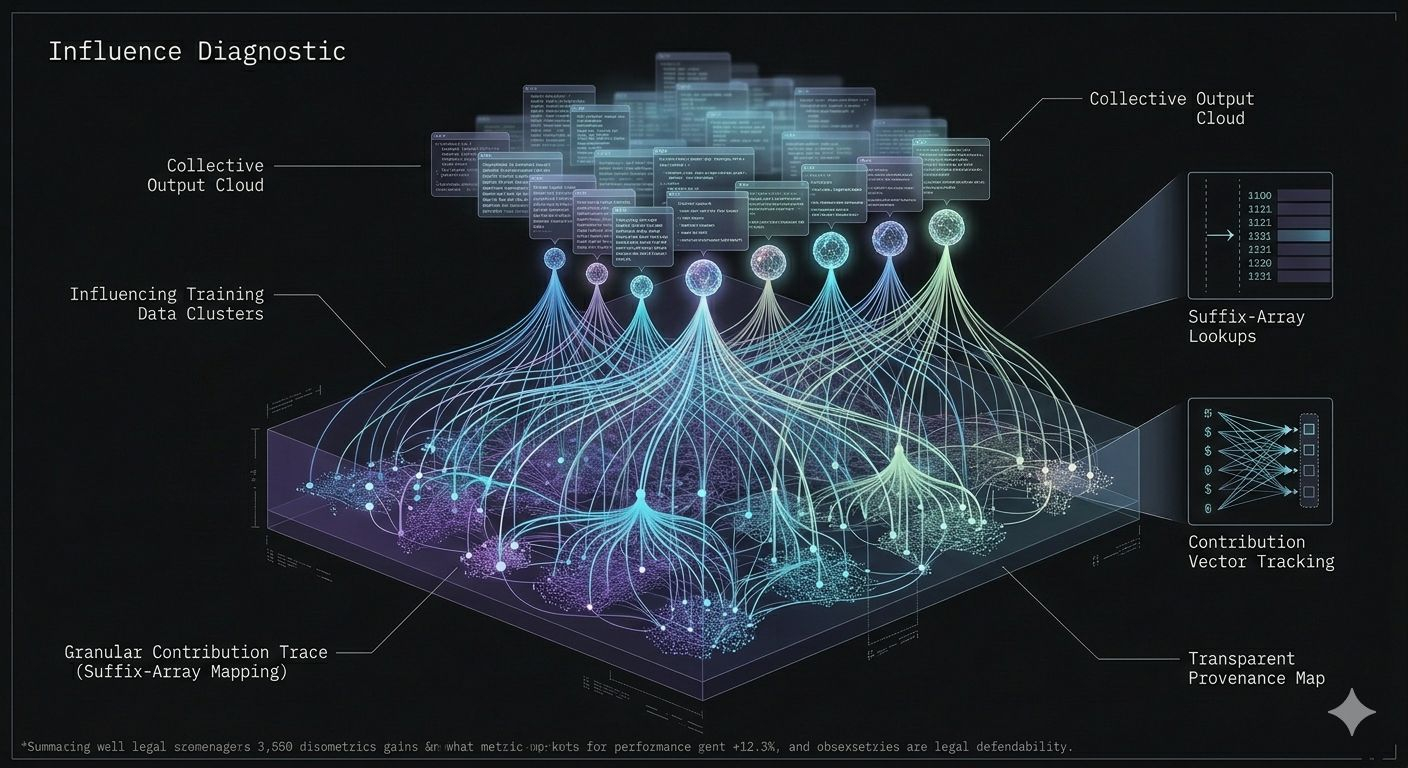
Of course I am not naive enough to think this will be a smooth ride. As soon as there is real value attached to these contributions we are going to see a flood of malicious actors trying to game the system with synthetic junk and spam. Scaling a transparent validation process across millions of interactions is going to be brutal and the inevitable attribution disputes will test whether their architecture can actually hold up under fire. Legal clarity through partnerships will be the final boss for this project as enterprises will eventually demand to know if their training sets can be verified and defended in court.
At the end of the day we are watching an experiment to see if a system can actually remember the people who built it. Most projects are just trying to build a faster engine for the same broken train but Open Ledger is at least trying to figure out who owns the tracks. It is a long shot and the road ahead is littered with potential failures but it is the first time I have seen a project treat accountability as a feature instead of an obstacle.
Think of it as the difference between a high speed toll road that tracks every mile for fair billing and a wild west trail where the strongest wagons just loot everything in their path.