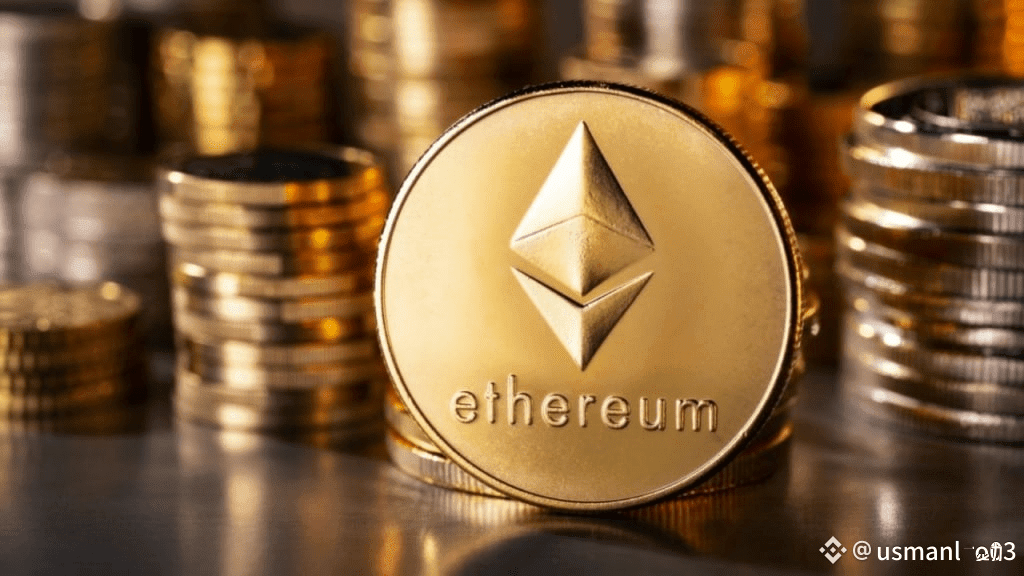
Born in 2015 from the vision of Vitalik Buterin and his co-founders, Ethereum redefined what a blockchain could be. Instead of serving purely as a ledger for peer-to-peer payments, it introduced a groundbreaking idea: a decentralized, programmable environment where smart contracts and dApps could run autonomously. That shift laid the foundation for today’s DeFi, NFT, and Web3 movements.
Ethereum’s evolution hasn’t stopped. In 2022, the network completed The Merge, migrating from energy-intensive proof-of-work to the more efficient proof-of-stake model. This upgrade dramatically improved energy usage, enhanced network economics, and prepared the chain for future scalability—solidifying ETH’s role as both a digital asset and the engine that powers computation via gas fees.
The Ethereum universe is vast. Thousands of decentralized applications operate atop its infrastructure—DeFi giants like Aave and Uniswap, NFT hubs, blockchain gaming ecosystems, and major layer-2 networks such as Arbitrum and Polygon that help scale activity while reducing costs. Developers build, validators secure, and users transact inside an ever-expanding programmable economy that continues to shape the next era of the internet.
At CoinDesk, coverage spans the full spectrum of Ethereum’s growth: protocol upgrades, scaling breakthroughs, staking trends, governance debates, regulatory shifts, and the broader impact of programmable money. From roadmaps to real-world adoption, we track the innovations transforming Ethereum into the settlement layer of a decentralized future.
$ETH #Binance #NewsAboutCrypto #USjobs #TrendingTopic