
I was standing in my kitchen the other morning, watching steam rise from a cup of tea, thinking about how most things I “own” these days feel borrowed. The music on my phone, the books on my reader, even the photos of my family—they sit behind logins and licenses that can vanish with a terms update. Ownership has become a polite illusion.
That quiet unease followed me when I opened Binance Square and clicked into the CreatorPad campaign task for SIGN. I scrolled past the usual instructions, landed on the post-creation field, typed a minimum 100 characters about the project, added the required #SignDigitalSovereignInfra hashtag and $SIGN tag, then hit submit. In that ordinary moment—cursor blinking, character count ticking up—the discomfort sharpened. Here I was, performing a small act of public endorsement to unlock a slice of token rewards, all framed as participation in “digital ownership.”
The thought that unsettled me is this: the louder crypto talks about giving users sovereignty and true ownership, the more it quietly trains us to treat attention and expression as currency to be spent for crumbs of that very ownership. We celebrate decentralized ledgers and self-custody, yet the path to even touching the new infrastructure often runs through centralized platforms where our words become performance metrics. It feels like we’re building castles of sovereignty on foundations of performative loyalty.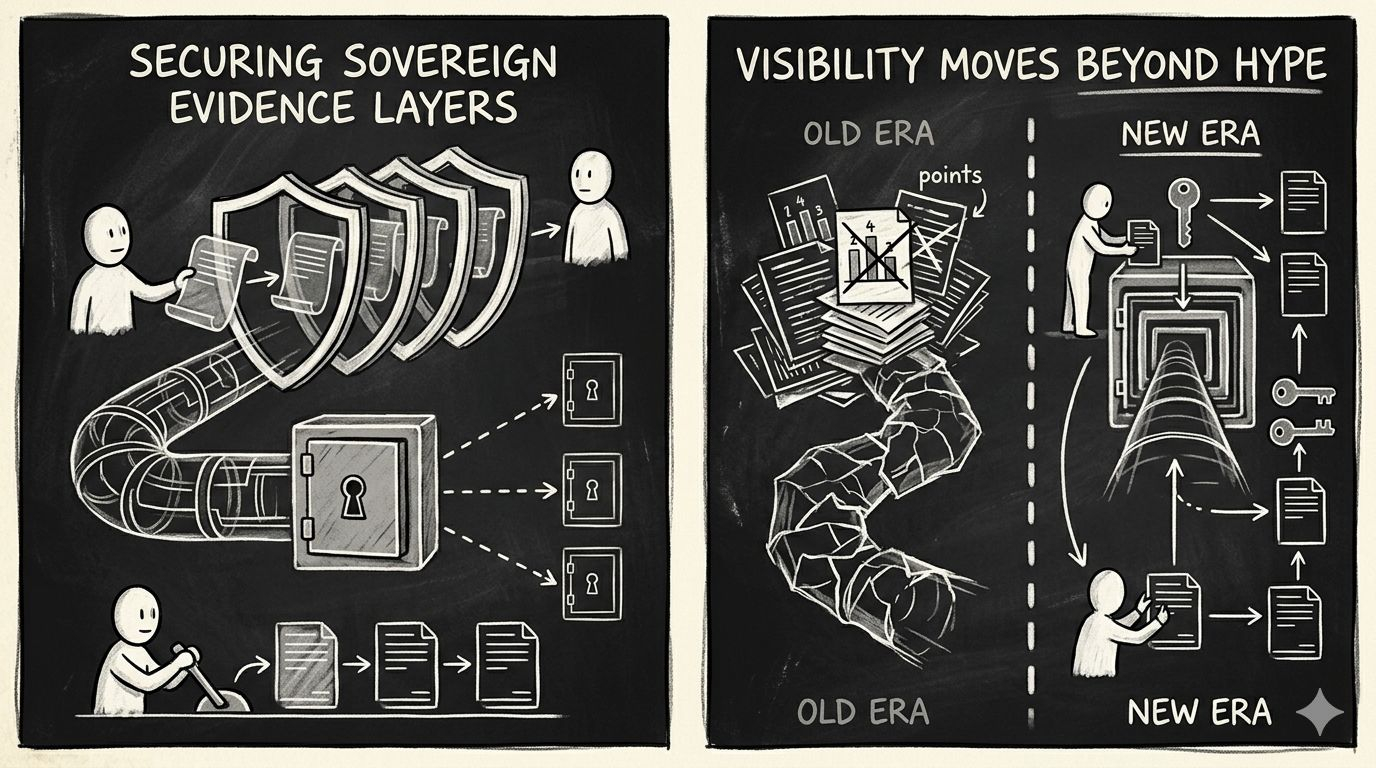
This isn’t unique to one campaign. Across the space, projects dangle token incentives for social tasks—follow, post, engage—turning genuine curiosity into a checklist. The result is a strange inversion: instead of users owning their data and decisions, platforms own the narrative loop that decides who gets early access or rewards. We convince ourselves we’re early adopters shaping the future, when much of the activity is simply feeding engagement algorithms in exchange for probabilistic airdrop tickets. The belief that more on-chain activity automatically equals more freedom starts to look shaky once you notice how much of that activity is choreographed off-chain.
SIGN, with its focus on credential verification and token distribution infrastructure, sits right in the middle of this tension. It promises tools for more verifiable, sovereign interactions in the digital world, yet the first encounter many have with it is through a reward task that rewards visibility over depth. That contrast isn’t hypocrisy; it’s the practical reality of bootstrapping adoption in a noisy attention economy. The infrastructure might be sovereign in design, but the on-ramp still runs through familiar social rails.
What stays with me is how easily we accept the trade-off. We want the feeling of ownership without the friction of building it from scratch, so we outsource the hard parts—community coordination, narrative control, even basic verification—to platforms and incentive layers that quietly set the rules. The uncomfortable edge is realizing that real shift toward ownership might require less performing and more quiet, stubborn refusal to let every interaction become a transaction. Until then, we keep clicking “post” and telling ourselves this time the ledger will remember us differently.
How long can we chase sovereignty through mechanisms that still need our compliance to function? #SignDigitalSovereignInfra $SIGN @SignOfficial