
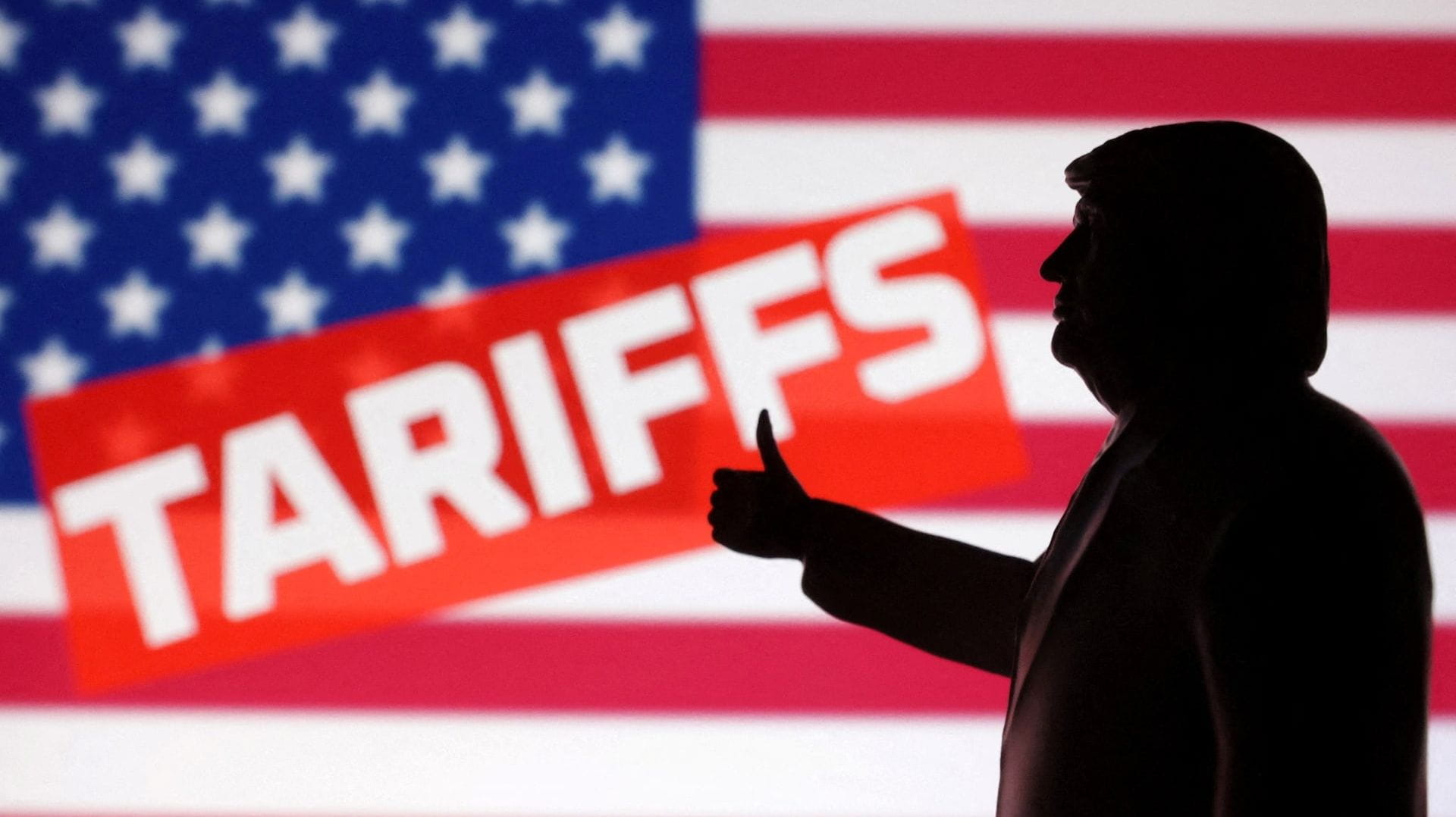
In recent months, trade tensions between the United States and Europe have returned to global headlines as President Donald Trump once again raised the issue of tariffs on European goods. While a full scale trade war has not officially begun, the situation has created uncertainty across financial markets, manufacturing industries, and diplomatic circles.
Trump has publicly expressed dissatisfaction with what he describes as unfair trade practices by European nations. He argues that European countries benefit more from trade with the United States than America gains in return. As a result, his administration has signaled plans to impose new import taxes on selected European products if negotiations fail. These proposed tariffs are being used as political and economic pressure rather than immediate punishment.
So far, most of these tariffs remain at the planning or announcement stage. Some limited duties already exist on items such as metals and industrial goods, but the larger measures discussed would be phased in over time rather than applied all at once. European leaders have strongly opposed the idea, warning that tariffs could harm businesses, raise consumer prices, and weaken long standing alliances.
The European Union has also made it clear that it is prepared to respond if the United States moves forward. In the past, Europe has answered American tariffs with countermeasures targeting U.S. exports such as agricultural products and consumer goods. This back and forth response is what many economists fear could slow economic growth on both sides.
Financial markets are closely watching these developments. Even the threat of tariffs has already caused volatility in stocks, currencies, and commodities. Investors worry that rising trade barriers could reduce global trade flows and increase inflation, especially at a time when many economies are still adjusting to post pandemic challenges.
In conclusion, Trump tariffs on Europe have not fully happened yet, but the risk is real and growing. The coming months will be critical as negotiations continue. If diplomacy succeeds, tariffs may be delayed or reduced. If talks break down, both the United States and Europe could face economic consequences that extend far beyond trade alone.
If you found this helpful then please follow like and comment on it thanks 👍
#TrumpTariffsOnEurope #GoldSilverAtRecordHighs #BTCVSGOLD #MarketRebound #WriteToEarnUpgrade