

Nobody was expecting this from Bitcoin. June had been brutal, one of the worst monthly closes in years, and by the time July opened the coin was sitting near fifty eight thousand dollars, its lowest level in almost two years. Traders were nervous, ETF outflows were piling up, and even people who normally stay calm during dips were starting to talk about fifty thousand as the next real support. Then something shifted. Within days Bitcoin clawed back above sixty one thousand, then sixty three thousand, and the mood across crypto twitter changed almost overnight. It is one of those moves that reminds you why this market never really settles down for long.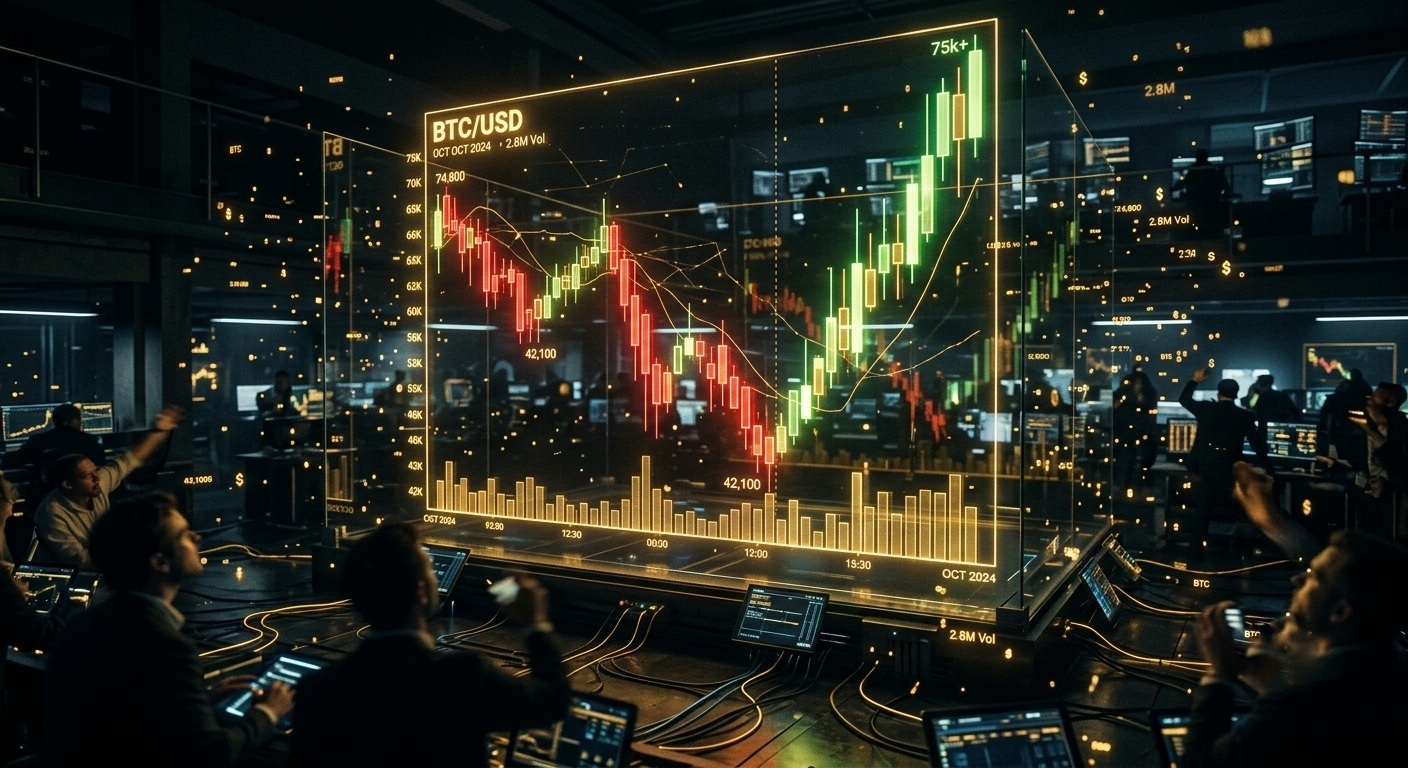
A big part of the recovery traces back to the Federal Reserve. Comments from the Fed chair suggesting inflation risks were finally easing gave investors room to breathe, and that softer tone did more for Bitcoin in a single day than weeks of on chain data ever could. Add a weaker than expected US jobs report into the mix, and suddenly the market started pricing in a real chance the Fed stays away from further hikes. Bitcoin does not trade in isolation anymore. It reacts to Jerome Powell adjacent headlines almost as fast as it reacts to its own halving cycle, and this past week was a clean example of that.
The ETF side of the story matters just as much. After more than ten straight days of outflows, spot Bitcoin ETFs finally turned green again, with Fidelity leading the inflows while BlackRock’s IBIT was oddly the one fund still bleeding for a day. That kind of split is worth watching because it tells you institutional conviction is not uniform right now, some funds are buying the dip aggressively while others are still cautious. When ETF flows flip positive after such a long dry spell, it usually signals that the bigger allocators are starting to see value at these levels rather than fear.
There is also a corporate accumulation angle running quietly in the background. Metaplanet added over two thousand eight hundred more coins to its treasury this week, pushing its total holdings past forty three thousand BTC, even while its own bitcoin income business saw revenue drop sharply. That is a strange combination, a company losing money on one bitcoin related business line while still doubling down on holding the asset itself. It says something about how corporate treasuries are starting to treat Bitcoin less like a speculative bet and more like a long term reserve position, regardless of short term earnings noise.
Then there is the policy side, which honestly might end up being the bigger story by the end of July. The US is reportedly finalizing the framework for a Strategic Bitcoin Reserve, expected to be released before the twenty second of this month. If that actually goes through in a serious form, it would be one of the clearest signals yet that a national government is willing to treat Bitcoin as a reserve asset rather than just a speculative instrument. Markets tend to front run this kind of news, so even the anticipation of the announcement has been feeding into the current bounce.
Not everything is smooth though. A separate and slightly odd debate has been brewing around Satoshi Nakamoto’s original coins, with some voices in the industry pushing for those wallets to be frozen as a precaution against future quantum computing threats. It is not a mainstream position, and plenty of long time Bitcoiners see it as a dangerous precedent, but it shows how seriously the space is starting to take quantum risk. Bitcoin Core developers have already been working on quantum resistant address formats, and this argument over Satoshi’s coins is really just the most dramatic version of a conversation that is going to keep getting louder over the next few years.