Most ecosystem discussions stay on the surface — they talk about the number of projects or partnerships. But to really understand a network, you have to look at the structure underneath. That’s where the ecosystem around @Fogo Official becomes interesting.
A functional blockchain ecosystem is usually built in three critical layers: infrastructure, execution of financial activity, and capital circulation. Each layer supports the others, and weakness in one layer often slows the entire system.
The infrastructure layer is the foundation. RPC services, indexing systems, and data availability tools determine whether applications can operate reliably under real conditions. This layer is invisible to most users, but it directly affects transaction reliability, application speed, and developer experience. Without strong infrastructure, adoption rarely scales.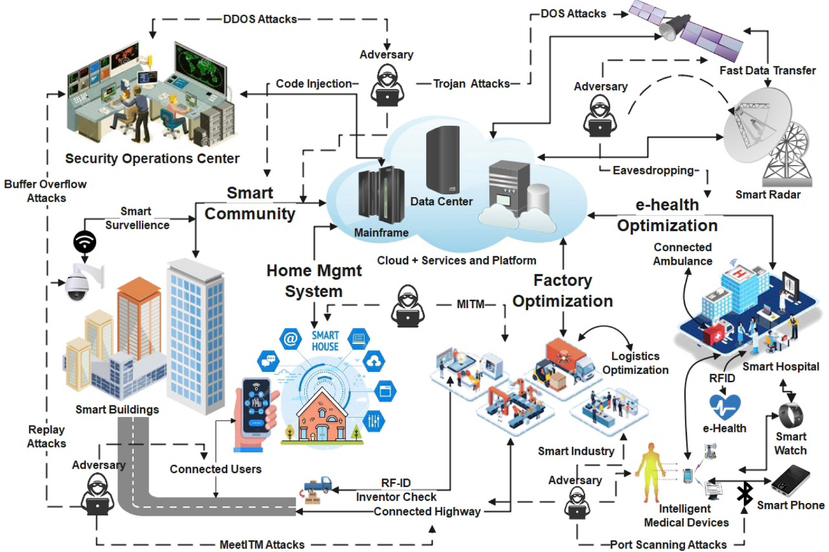
The second layer is the execution layer, where real economic activity happens. Trading platforms, derivatives markets, and liquidity venues create price discovery and volume. This is the stage where a blockchain begins to behave like a real financial environment instead of a testing ground.
The third layer is capital circulation. Lending protocols, staking mechanisms, and liquidity strategies allow capital to move efficiently instead of remaining idle. In mature ecosystems, capital often flows continuously between trading, lending, and liquidity provisioning, increasing overall efficiency without requiring constant new inflows.
Another factor that determines long-term success is interoperability and accessibility. Wallet integrations, bridges, and developer tools reduce friction and make it easier for both users and builders to participate. Networks that ignore these aspects often struggle, even if their technology is strong.
What stands out about the ecosystem forming around $FOGO is that these layers are appearing in parallel rather than sequentially. That kind of coordinated development often accelerates network effects, because each layer reinforces the others as adoption begins.
The market often notices ecosystems only after they reach visible scale. But the real signal appears earlier — when the structure is already in place and activity begins to compound quietly.