

Tensions in the Middle East have escalated once again after high-stakes peace talks between Iran and the United States collapsed in Pakistan. The failure of these negotiations has raised serious concerns about the future of the fragile ceasefire and the possibility of renewed conflict
🔥 What Happened in Pakistan?
The Islamabad peace talks, held on April 11–12, 2026, were aimed at ending the ongoing Iran war and stabilizing a temporary ceasefire. These negotiations lasted over 21 hours, involving top officials from both sides.
However, the talks ended without any agreement, with both countries blaming each other for the breakdown.
Pakistan had played a key role as a mediator, trying to maintain peace and prevent a wider regional war
🇮🇷 Ghalibaf’s Statement: “US Failed to Build Trust”
Iran’s parliamentary speaker Mohammad Bagher Ghalibaf strongly criticized the United States after the talks collapsed.
He said the US failed to gain Iran’s trust during negotiations
Claimed Iran entered talks with serious intent and constructive proposals
Accused Washington of unrealistic and excessive demands
Ghalibaf emphasized that past conflicts made Iran skeptical, and the US did not take meaningful steps to build confidence
🇺🇸 US Position: Iran Refused Key Conditions
On the other side, the United States—represented by Vice President JD Vance—argued that:Iran refused to limit its nuclear programDisagreements over the Strait of Hormuz remained unresolved
The US had presented a “final offer”, but Iran did not accept it
This deep divide made any immediate agreement impossible.
⚠️ Ceasefire at Risk
The collapse of talks has put the fragile ceasefire in danger, which was already under pressure.
The ceasefire was meant to reduce fighting after weeks of war
Now, fears are rising that full-scale conflict could resume
Global oil markets are already reacting due to instability in the Strait of Hormuz
🌍 Global Impact
The failure of these talks is not just a regional issue:
Oil prices could rise due to supply disruptions
Middle Eastern tensions may spread further
International leaders are urging both sides to return to negotiation
📊 Final Analysis
This situation highlights one major issue: lack of trust between Iran and the US.
Iran believes the US is making unfair demands
The US believes Iran is unwilling to compromise
Until this trust gap is resolved, peace remains uncertain.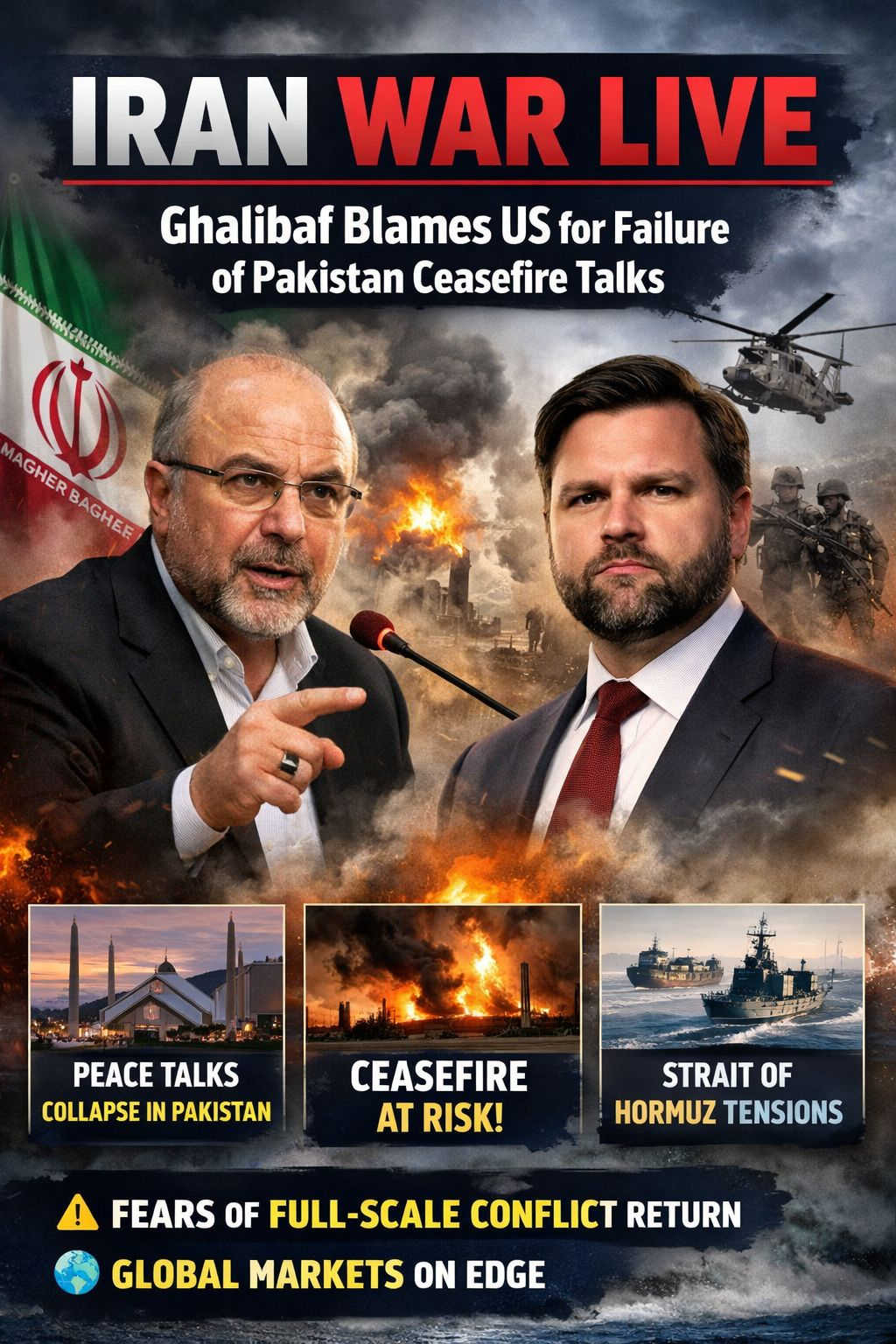
#US-IranTalksFailToReachAgreement #SamAltmanSpeaksOutAfterAllegedAttack #IranClosesHormuzAgain $BTC

