

The recent shift in Canada’s immigration policy offers a compelling case study for advanced economies grappling with housing crises. After years of record-breaking population growth, the Canadian government’s decision to implement strict caps on temporary residents—specifically international students and foreign workers—has begun to yield measurable results in the property market.
Key Takeaways from the Canadian Shift:
Impact on Rents: Following the reduction in temporary arrivals, average asking rents nationally have trended downward for 17 consecutive months. This suggests a direct correlation between managed migration flows and the cooling of "overwhelmed" rental markets.
Asset Value Adjustments: While the broader housing market remains expensive, certain sectors have seen significant corrections. In major hubs like Toronto and Vancouver, condominium values dropped by as much as a third as demand from the international student demographic evaporated.
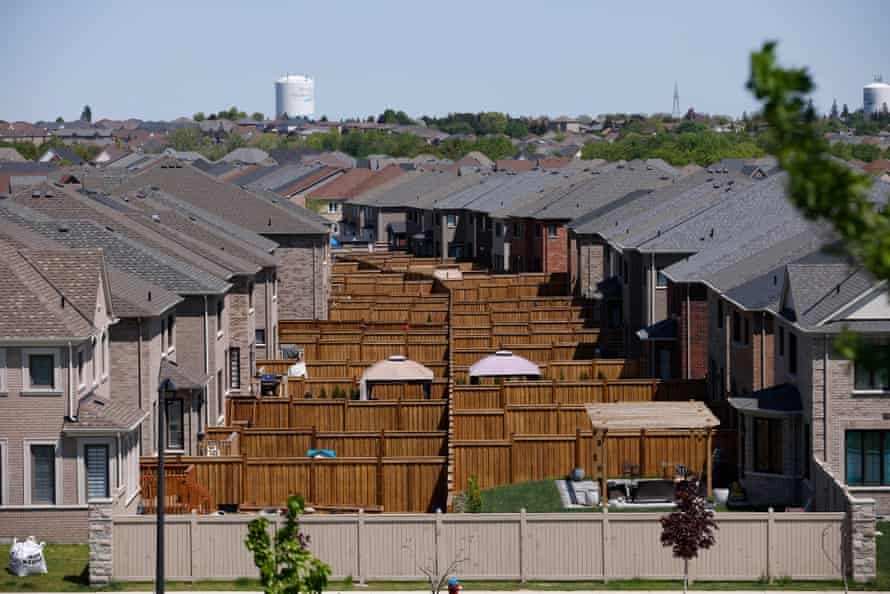
The Planning Gap: Experts emphasize that migration itself was not the primary "problem," but rather a lack of integrated planning. The surge in arrivals post-2021 required nearly triple the typical rate of homebuilding—a pace the construction sector was physically unable to meet.
The Per Capita Paradox: While lower migration slows overall GDP growth, early 2026 data indicates the first gains in per capita GDP in years. For the average household, this shift often matters more than the headline economic figure.
The Economic Trade-off
The "pause" is not without its costs. Canadian universities are facing significant funding gaps, and certain sectors are bracing for labor shortages. Furthermore, as an aging society, Canada—much like Australia—faces a long-term challenge: reducing migration today may widen the "aging funding gap" tomorrow.
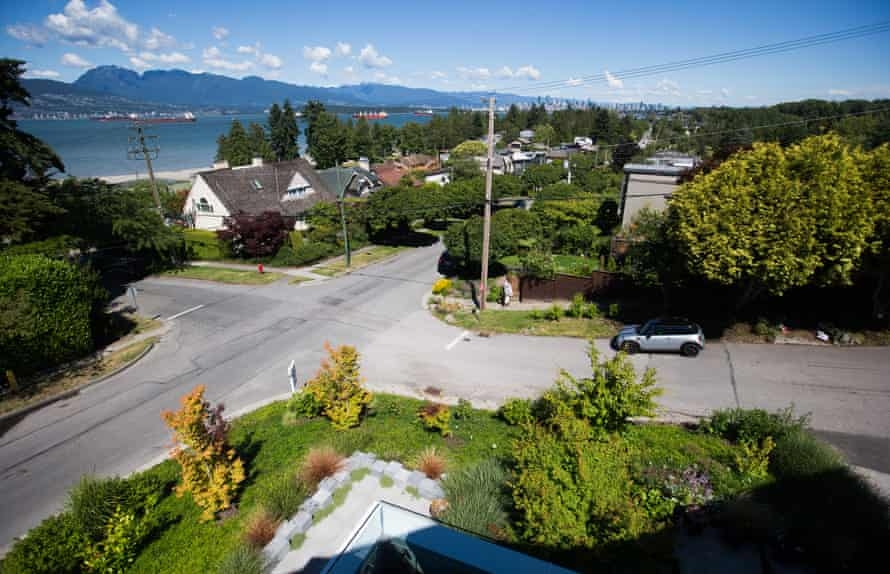
Ultimately, the Canadian experience serves as a reminder that housing supply and public services must move in lockstep with demographic targets to maintain social and economic stability.
#CanadaHousing #ImmigrationPolicy #UrbanPlanning #RealEstateTrends #EconomicPolicy