

The global economic system built after WW2 is unraveling. Here’s what’s happening and why it matters:
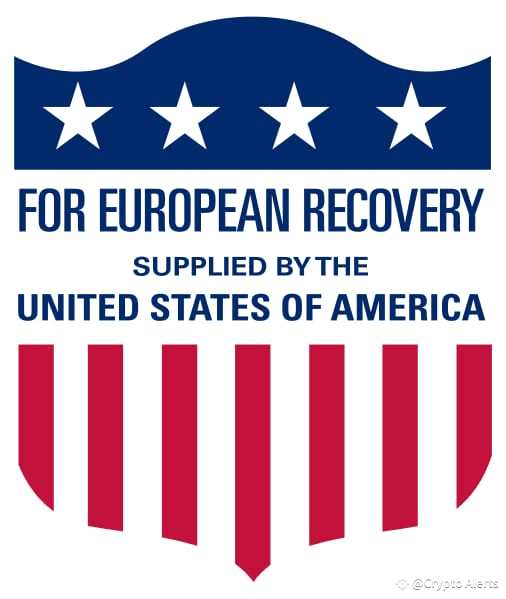
The Post-WW2 System: How It Worked
- 🌐 After WW2, the US was the only major industrial power left standing.
- 🏗️ The US led global reconstruction through initiatives like the Marshall Plan and Bretton Woods.
- 💵 The deal was simple:
- The US would buy foreign goods, run trade deficits, and send dollars abroad.
- Other countries would use the USD as the global reserve currency and accumulate US debt as savings.
- In short: The world gets dollars, the US gets goods.
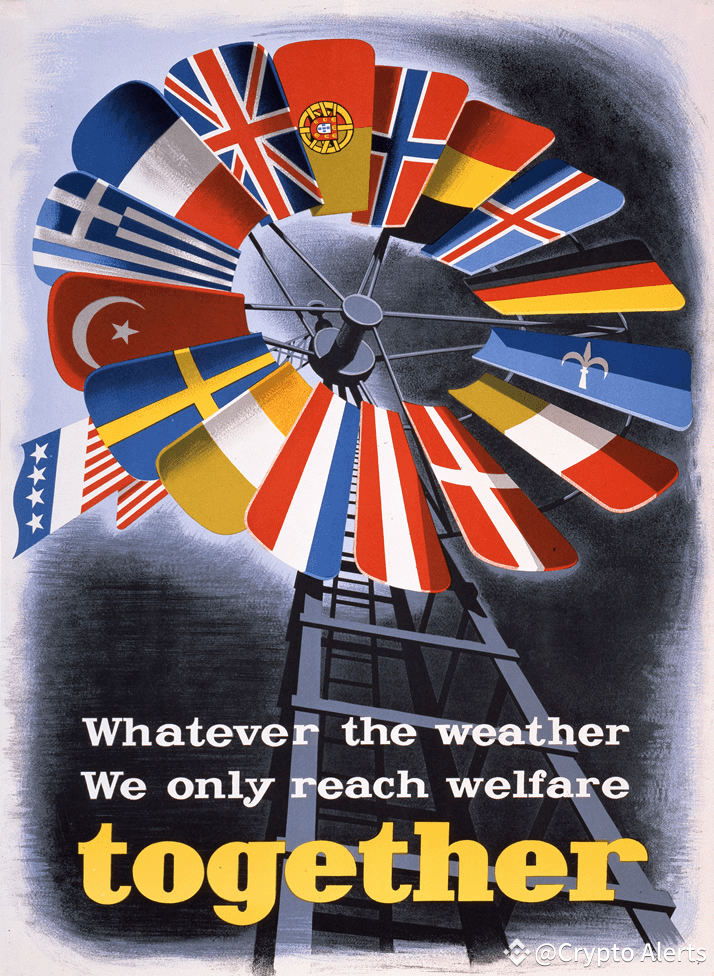
Why It Worked (For a While)
- 🚀 This system fueled decades of global growth.
- 🏭 Countries like Japan, Germany, South Korea, and China industrialized by producing goods for the US.
- 💸 The US kept printing dollars, and the world kept accepting them (because they had no real alternative).
The Cracks in the System
- 🛑 It wasn’t sustainable:
- The US kept printing dollars without producing enough real goods.
- Manufacturing jobs left the US, and the middle class was crushed.
- The US became a consumer, not a producer.
- 📉 Debt piled up:
- The US now has $35+ trillion in debt.
- Other nations started questioning the system: Why hold US debt as reserves while the USD loses value?
What’s Next?
- 🔄 The system is failing, and the world is looking for alternatives.
- 🌟 A move back to a neutral reserve currency is likely.
- 🚀 Bitcoin and other decentralized assets could play a role in the new economic order.
The Big Question
- 🤔 Can the US adapt, or will it continue to rely on a broken system?
- 💡 One thing is clear: The era of endless dollar dominance is ending.
Got #Bitcoin? 🪙
The future of money is changing. Stay tuned. 🚀
